A warm cinnamon roll loses its charm fast once air, moisture, or a rough delivery truck gets to it. Bakeries and home sellers alike run into the same problem: the roll tastes great in the oven, then turns dry, sticky, or squashed by the time it reaches a customer. That's why cinnamon roll packaging has become its own small science, and brands like Mylar Bags Pro build products specifically to solve it. Getting the packaging right protects the icing, locks in moisture, and keeps the roll looking as good as it tastes.
This guide walks through the materials bakers actually use, what each one costs, and how to pick a supplier who understands baked goods rather than generic snack food. Whether you sell a dozen rolls at a Saturday market or ship hundreds across the country, the right cinnamon roll packaging changes how your product performs after it leaves your kitchen.
Cinnamon rolls carry butter, sugar, and cream cheese icing, which makes them soft but also fragile. Warm air trapped inside a bag turns into condensation, and that condensation makes the dough gummy within hours. Cold air moving in does the opposite, drying the outer layer while the center stays soft.
A bag or box built for baked goods manages that moisture swing. Foil-lined and mylar-style bags create a barrier against oxygen and outside air, which slows staling and keeps the crumb tender for longer. Plain plastic wrap or thin poly bags do neither job well, since they let moisture escape unevenly and offer almost no cushioning during transport.
Ask yourself how many times you've bought a bakery item that looked perfect in the case but arrived home stale. That gap between bakery-fresh and kitchen-table-fresh usually comes down to what the roll traveled in, not how it was baked.
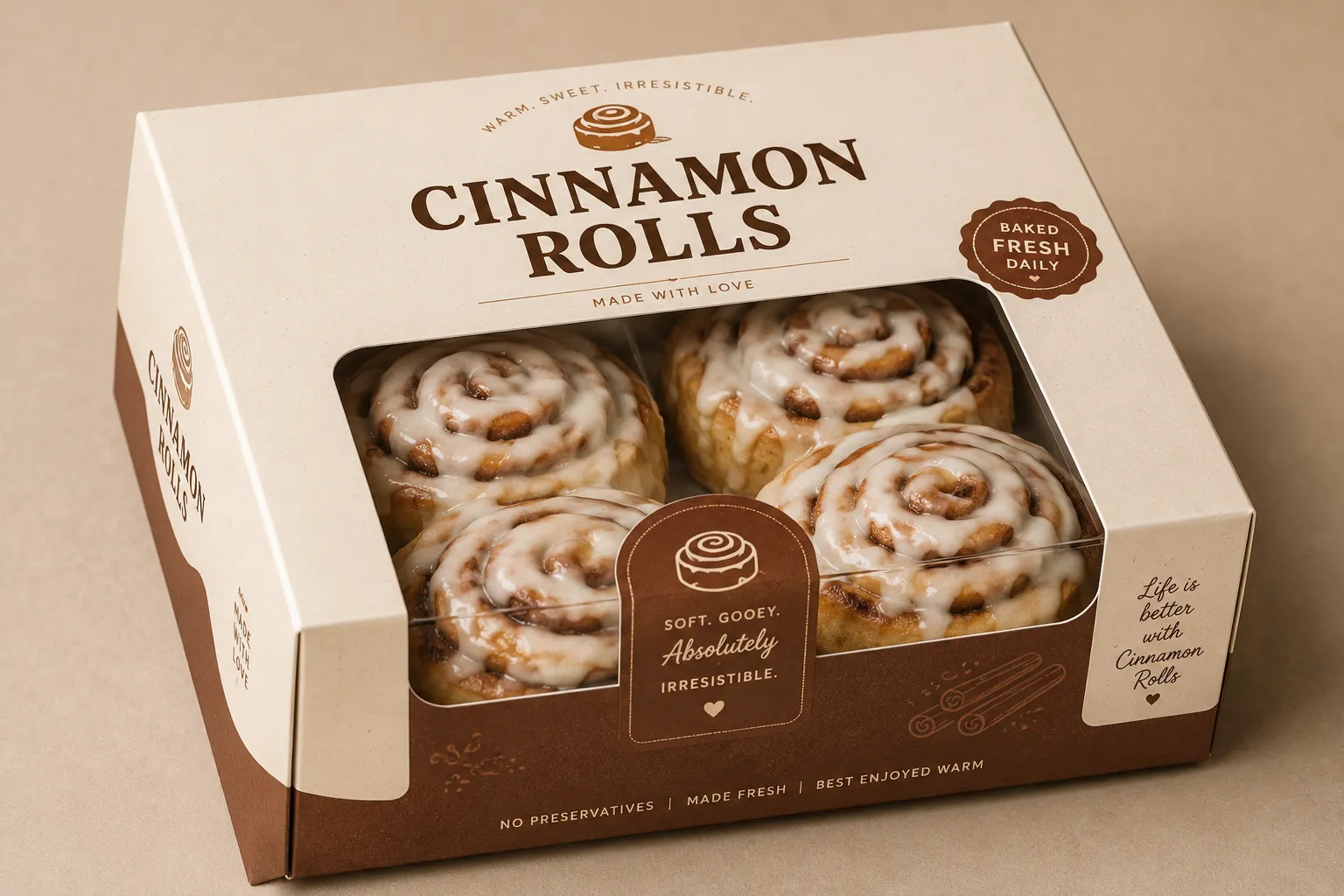
Bakers generally choose from four main options: foil-laminate mylar bags, rigid clamshell boxes, shrink film wraps, and standard poly bags. Each handles moisture, cost, and branding differently.
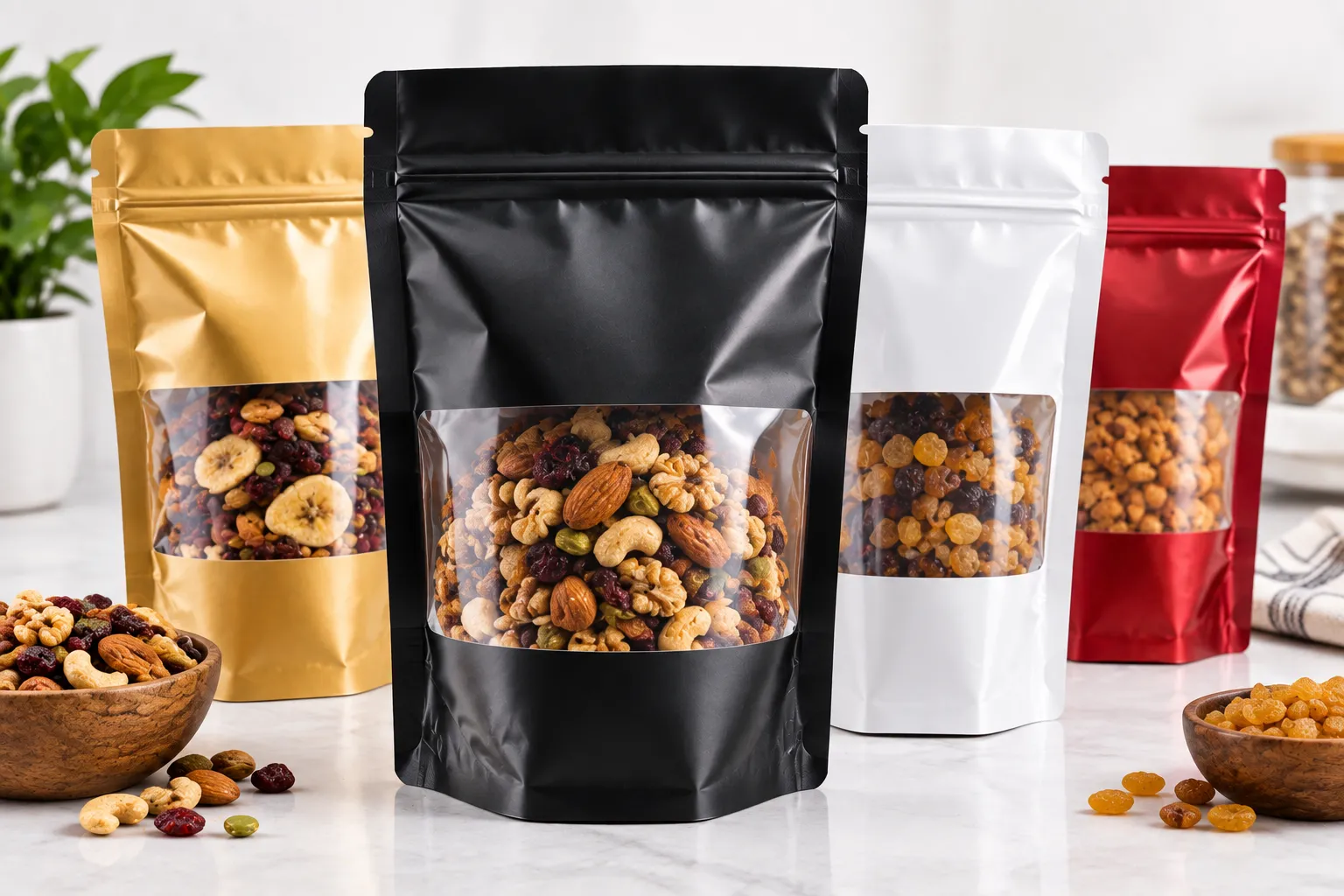
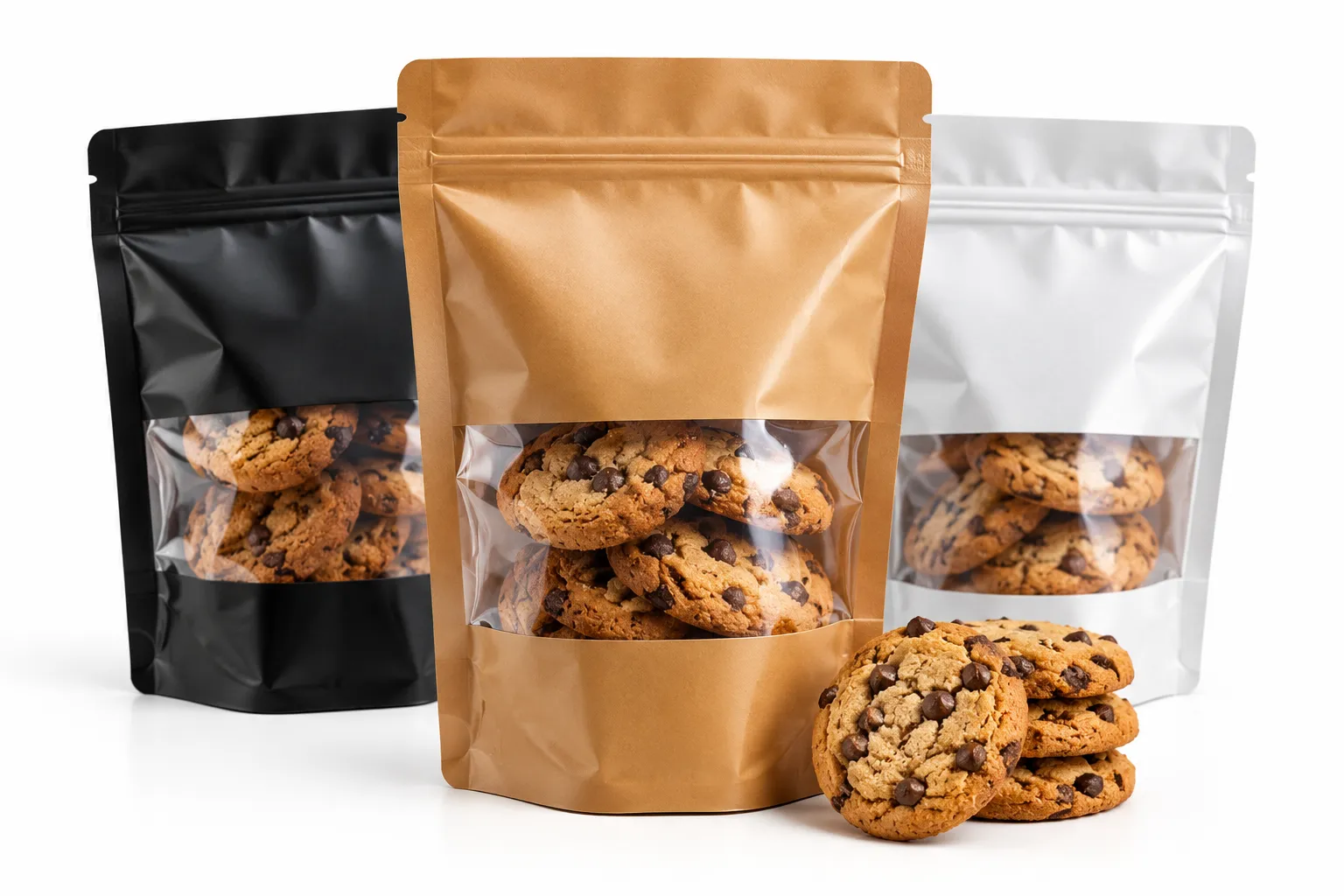
Foil-laminate bags, the type Mylar Bags Pro produces, use a multi-layer film that pairs a metallic barrier with food-grade plastic. That layering blocks light and slows oxygen exchange, which matters because oxidation is one of the main reasons baked goods lose flavor and texture within a day or two. Clamshell boxes protect shape better than any bag, which matters for rolls topped with piped icing, but they add more cost per unit and rarely reseal. Shrink film gives a tight, tamper-evident look for retail shelves, though it needs heat-sealing equipment most home bakers don't have. Standard poly bags are the cheapest option by far, but they trap condensation and offer no real protection against crushing.
|
Packaging Type |
Avg. Cost per Unit |
Freshness Protection |
Best For |
Resealable |
|
Foil-laminate mylar bag |
$0.15–$0.45 |
High |
Retail sale, mail order, gifting |
Yes |
|
Rigid clamshell box |
$0.60–$1.20 |
Medium-High |
Iced rolls, display cases |
No |
|
Shrink film wrap |
$0.10–$0.30 |
Medium |
Grocery shelves, tamper evidence |
No |
|
Standard poly bag |
$0.03–$0.08 |
Low |
Same-day, in-house sale only |
Some |
Notice that price and protection don't move together in a straight line. A bakery shipping rolls overnight gets more value from a $0.30 mylar bag than a $1.00 box, simply because the barrier film does the heavy lifting against staling.
The process looks simple from the outside but follows a specific order once you're behind the counter.
First, rolls cool to room temperature before anything touches them. Sealing warm dough traps steam inside the bag, and that steam becomes the moisture problem described earlier. Most commercial kitchens wait 30 to 45 minutes after icing before packing.
Second, bakers weigh or count portions and load them into the bag or box without stacking icing against film. A parchment liner or wax sheet between rolls keeps icing from sticking to the packaging itself.
Third, the bag gets sealed, either with a heat sealer for mylar-style pouches or a twist-tie and label for lighter setups. A one-way degassing valve isn't necessary for baked goods the way it is for coffee, but a tight seal around the opening still matters.
Fourth, sealed packages go into a cooler holding area if they won't ship same-day, since refrigeration slows mold growth on cream-cheese-topped rolls. Frozen or shelf-stable rolls skip this step and move straight to boxing for shipment.
Packaging cost depends on more than the material itself. Order volume plays the biggest role: buying mylar bags in bulk of 1,000 or more can cut the per-unit price by a third compared to ordering 100 at a time. Custom printing adds cost too, usually another $0.05 to $0.15 per bag depending on how many colors the design uses.
Shipping distance matters as well. Rolls sold locally can use lighter packaging, while rolls shipped across state lines need thicker film or an outer box to survive handling. A licensed home bakery operating under a state cottage food law also needs labeling space for ingredients and allergen statements, which some thin poly bags don't leave room for.
According to packaging industry guidance on barrier films, thickness is usually measured in mil, and bags meant for retail snack goods typically run in the 3 to 3.5 mil range, thick enough to resist punctures without adding unnecessary material cost. Thicker film, closer to 5 mil, suits long-distance shipping better than everyday counter sales.
Not every packaging supplier understands the difference between a dry good like coffee beans and a moist, icing-topped baked good. A general packaging distributor might sell food-grade film, but a company that works specifically with bakery products will know which barrier level actually helps cinnamon rolls versus which one just adds cost.
Look for a supplier who can quote food-grade, FDA-compliant materials and who asks about your shipping timeline before recommending a bag thickness. Companies that specialize in bakery packaging, including Mylar Bags Pro, tend to stock smaller minimum order quantities suited to independent bakers, along with custom sizing for larger cinnamon roll six-packs versus single-serve pouches. That's different from a national packaging chain that mainly serves large-scale manufacturers and requires pallet-size minimums.
A local bakery owner in Ohio recently switched from plain poly bags to foil-laminate mylar bags after customers complained about soggy rolls delivered by mail order. Within a month, return complaints about texture dropped, and the bakery kept the same shipping schedule without adding cold packs. That kind of change usually comes from matching the bag to the product, not from buying the most expensive option available.
Bakeries operating under state cottage food laws should also confirm labeling requirements before finalizing packaging, since most states require ingredient lists, net weight, and a producer statement printed directly on the package or an attached label.
Foil-laminate mylar bags tend to work best because they block oxygen and outside air while holding in enough moisture to keep the dough soft without causing sogginess.
Costs range from about $0.03 for a basic poly bag to over $1.00 for a printed clamshell box, with foil-laminate bags usually landing between $0.15 and $0.45 depending on size and printing.
Yes, mylar-style bags hold up well during shipping because the film resists punctures and keeps moisture consistent, though bakers often add an outer box for cushioning on longer routes.
Rolls with cream cheese icing should go into a cooler if they won't be eaten within a few hours, while rolls with a simple glaze can usually sit at room temperature for a day.
Requirements vary by state, but most home bakers operate under a cottage food license, which typically requires ingredient and allergen labeling directly on the package.
Shrink film gives a tamper-evident, retail-ready look but doesn't reseal, so it works better for grocery shelves than for products a customer might want to save for later.
Most bakery packaging runs 3 to 3.5 mil for everyday sale, moving up to around 5 mil for products shipped long distances or handled roughly in transit.
Resealable bags usually extend usable freshness because the customer can reseal the bag after opening, while most clamshell boxes have no way to reclose once opened.
Standard poly bags cost the least, but bakers selling same-day at a local market rarely need heavier protection since the rolls won't sit in transit for long.
Bakeries in humid climates often choose thicker barrier film to stop outside moisture from seeping in, while drier climates can sometimes use lighter packaging without losing freshness.
Reuse is possible if the bag is clean, dry, and undamaged, though most bakeries use a fresh bag for each batch to avoid cross-contamination between customers.
Printing typically adds $0.05 to $0.15 per bag depending on the number of colors and design complexity, though bulk orders usually bring that cost down.
If you're weighing packaging options for your next batch, start with how the rolls will travel and how long they need to stay fresh once they arrive. A same-day market sale and a three-day mail order call for two different bags, and matching the material to the trip saves both money and customer complaints. Mylar Bags Pro works with independent and small-batch bakers on food-grade, custom-sized bags built for exactly this kind of product, so reach out to them for a free quote if you want packaging sized to your rolls rather than a generic snack bag