Flake food that smells stale by month three is a common frustration for anyone who keeps fish. Pellets go soft, freeze-dried shrimp lose their color, and a bag left open on a shelf turns to dust faster than most keepers expect.
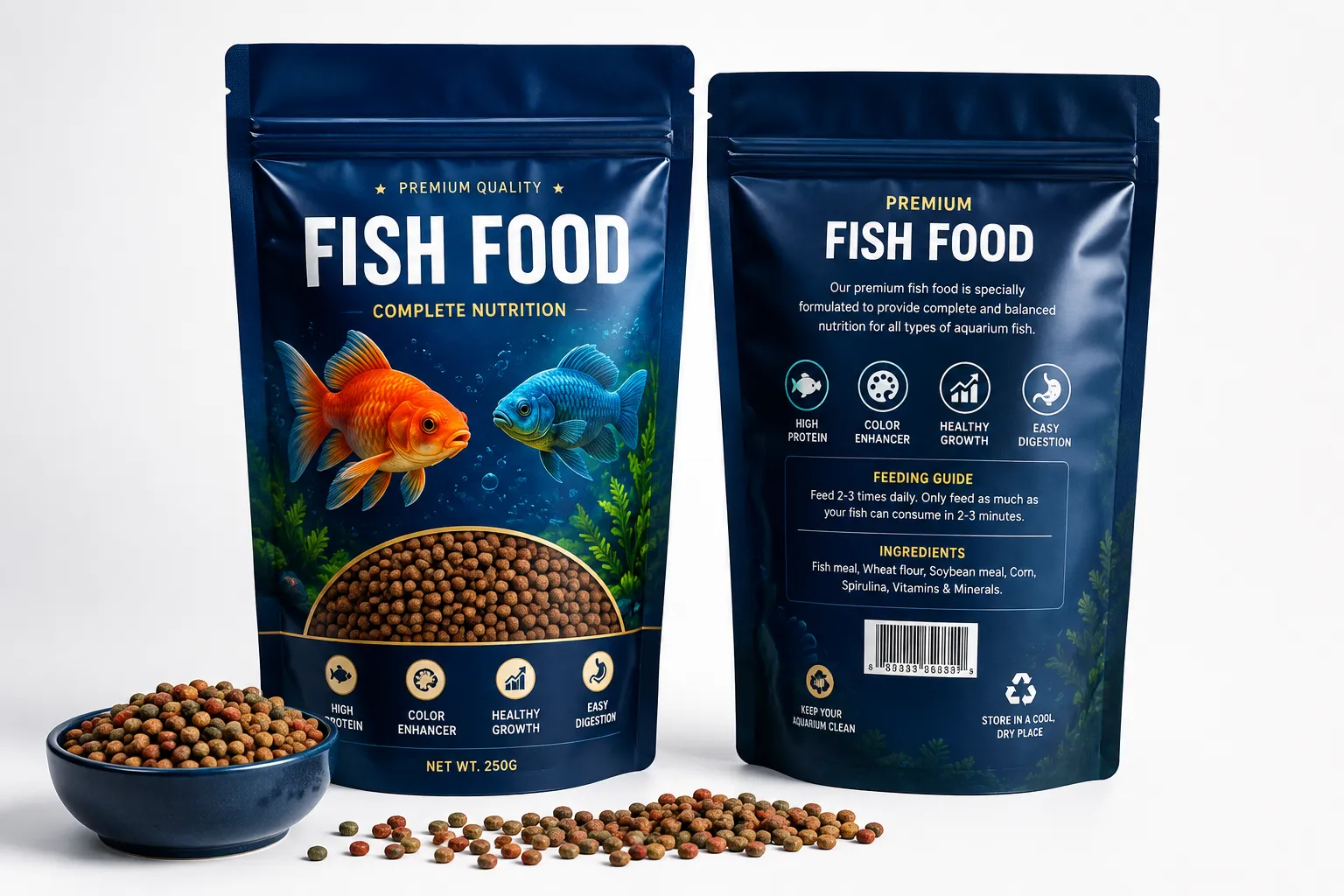
Fish food mylar bags solve that problem by sealing food away from air, light, and moisture the moment it's packed. Suppliers like Mylar Bags Pro build these pouches specifically for pet food and aquaculture feed, using layered film that standard resealable plastic can't match.
This guide walks through the bag types worth buying, what the packing process looks like, what you should expect to pay, and how to pick a supplier that won't cut corners on food-grade material. Whether you run a home aquarium, breed fish for sale, or stock a pet store shelf, the right bag changes how long your feed stays worth feeding.
A mylar pouch is not just foil-colored plastic. It's a laminate, usually polyester on the outside, a thin aluminum layer in the middle, and a heat-sealable polyethylene lining on the inside. That middle layer blocks oxygen and light almost completely, which matters because fish food breaks down through the same pathway as most dried food: oxidation.
Why does that matter for something as small as a jar of flakes? Flake and pellet food carries fat-soluble vitamins and often added vitamin C, both of which degrade fast once air gets in. Aquaculture researchers Shiau and Hsu (1993) found that roughly 75 percent of the vitamin C added to shrimp feed was already lost by the time processing finished at room temperature, before storage even started.
Store that same feed loose on a shelf for six months and the nutrient loss keeps climbing. Fish food mylar bags slow that decline by cutting off the oxygen supply the moment the bag is sealed, especially when paired with an oxygen absorber. That keeps color, scent, and nutrient content closer to day-one condition, which fish notice through smell and taste long before a keeper does.
Not every mylar pouch is built the same way, and thickness, measured in mil, drives most of the difference. A thin 3-mil bag works fine for food used within a few months. Long-term storage calls for 5- to 7-mil film, which resists punctures from sharp pellet edges and holds a seal through repeated handling.
Zip-top or heat-seal only, which one should you actually buy? Zip-top stand-up pouches let you reseal after each feeding, though the zipper track is the weakest point against oxygen creeping back in over months. Heat-seal bags lock airtight for good once closed, better suited to bulk stock you'll portion into smaller containers later.
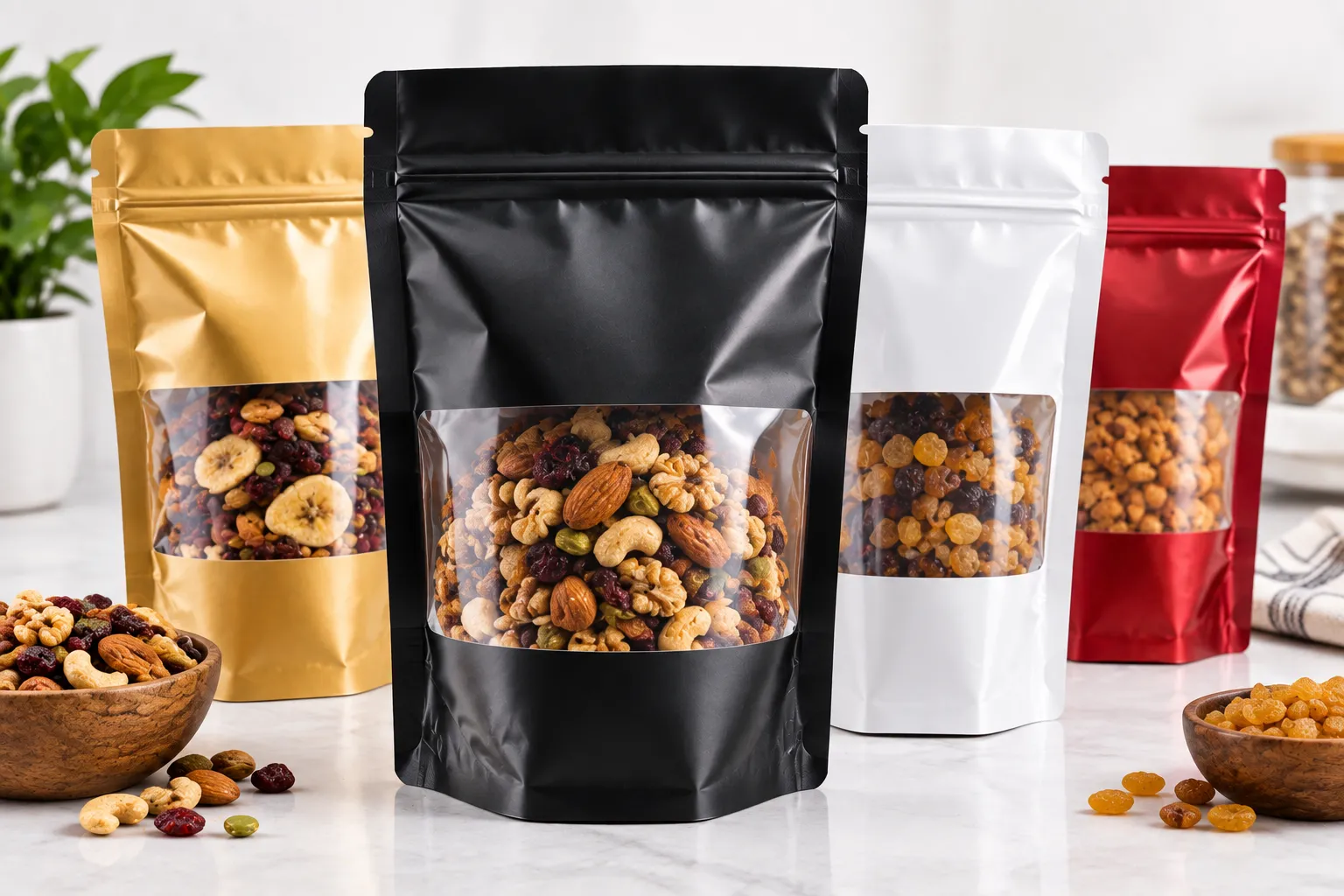
Suppliers such as Mylar Bags Pro stock both formats in food-grade film, along with pre-cut sizes meant for the smaller quantities most hobbyists actually buy.
|
Bag Type |
Avg. Cost |
Shelf Life (w/ absorber) |
Best For |
|
Zip-Top Stand-Up Pouch |
$0.15–$0.35 each |
1–3 years |
Feed you reopen often |
|
Heat-Seal Foil Pouch |
$0.10–$0.25 each |
3–5 years |
Bulk stock, sealed once |
|
Vacuum-Seal Mylar Bag |
$0.20–$0.45 each |
3–5 years |
Freeze-dried or high-fat feed |
|
Bag + Oxygen Absorber Combo |
$0.25–$0.55 each |
5+ years |
Long-term bulk storage |
Getting the shelf life these bags promise depends on how the food goes in, not only on the bag itself. A packaging specialist who works with aquaculture feed producers put it plainly: most shelf-life complaints trace back to skipping the oxygen absorber step, not to a fault in the bag.
Six steps make the difference between a bag that lasts months and one that lasts years:
One home breeder switched from resealable plastic tubs to sealed mylar pouches after losing a batch of brine shrimp flakes to summer humidity. The food had clumped and turned musty within weeks in the tub. Nothing similar happened once the switch to sealed bags was made.
Bag size is the biggest cost driver. A 4x6 inch pouch costs far less than a gallon-size bag meant for bulk pellets. Film thickness adds cost too, since 7-mil bags typically run 30 to 50 percent more than 3-mil versions because of the extra material and puncture resistance.
Printing changes the number as well. Plain silver bags cost the least, while custom-printed pouches with a logo or feeding chart add a set-up fee plus a per-unit increase, which tends to make sense only once you're ordering in the hundreds or thousands.
Oxygen absorbers add only a few cents each in bulk, small compared to what a spoiled batch of feed costs to replace. Food-grade mylar sold in the US should meet FDA requirements for materials that contact food, and pet food packaging generally follows AAFCO labeling guidance for storage claims. Confirming those certifications with a supplier before a large order avoids problems later.
What actually separates a good packaging supplier from one that's just reselling generic bags? Look for suppliers who list film thickness, oxygen transmission rate, and food-grade certification on the product page instead of just a photo and a price.
A specialist that focuses specifically on pet and aquaculture feed packaging, the kind of niche Mylar Bags Pro works in, will typically test seal strength on smaller pouch sizes. General packaging wholesalers built around large industrial orders tend to skip that step, and the difference shows up the first time a small pouch fails at the seam.
Ask about minimum order quantities too. A supplier used to handling small aquarium businesses will often work with orders in the low hundreds, while a chain distributor may require volumes better suited to a large commercial operation.
Fish food mylar bags aren't complicated once you've picked the right thickness, added an oxygen absorber, and sealed the bag properly. Small changes to how you store flakes, pellets, or freeze-dried feed can add months or years to how long that food stays worth using.
If you're ready to switch from tubs or clip bags to something built for the job, Mylar Bags Pro offers food-grade pouches in sizes suited to home tanks and small retail stock alike, and can walk you through absorber sizing for your specific feed type.
Dry flake and pellet food sealed in a mylar bag with an oxygen absorber typically stays usable for 1 to 3 years, sometimes longer for low-fat pellets. Freeze-dried foods like bloodworms or brine shrimp hold up nearly as long if kept somewhere cool and dark, though color and aroma fade gradually even inside a sealed bag.
Small 4x6 or 5x8 inch pouches suit most home setups, since they hold enough flake or pellet food for several months without leaving a bag half-empty too long. Breeders or stores moving larger volumes usually step up to gallon-size bags instead.
The bag alone slows oxidation but doesn't stop it completely, since some air always gets trapped during sealing. An absorber pulls that residual oxygen down to a fraction of a percent within a day, which is the difference between food lasting months and lasting years.
Plain, unprinted pouches typically run between 10 and 45 cents each depending on size and thickness, with oxygen absorbers adding a few cents more. Prices run fairly close across the US, UK, and Canada once shipping is factored in, though buying from a local supplier usually beats importing bags from overseas on cost and delivery time.
Buying bulk feed and packing it yourself in mylar almost always costs less per serving than pre-portioned bags from a pet store, though it takes an upfront investment in bags, absorbers, and a heat sealer. For a small home tank, that math may not be worth the extra effort; for breeders or stores, it usually is.
Food-grade mylar from reputable suppliers meets FDA material standards in the US and equivalent food-contact regulations abroad, and most international pet food shipments follow AAFCO labeling guidance regardless of destination. Confirming certification documents with a supplier before a bulk international order is worth the extra step, since requirements vary slightly by country.
Yes, sealed mylar performs well in humid conditions because the aluminum layer blocks moisture as effectively as it blocks oxygen. The bigger risk in humid regions comes after a bag is opened, since food exposed to damp air degrades faster once the seal is broken.
Resealing works with zip-top bags, though the zipper track lets in more air over repeated openings than a fresh heat seal would. Heat-sealed bags aren't meant to be reopened and resealed at home without a proper impulse sealer, so treat them as single-use once cut open.
True mylar includes a polyester outer layer for puncture resistance and a heat-sealable lining, while some foil bags on the market skip one of those layers to cut cost. That missing layer usually shows up as a bag that punctures easily or won't hold a full seal.
Refrigeration isn't necessary for most dry fish food once it's properly sealed, and a cool cupboard or closet works just as well. Freeze-dried food with higher fat content, like bloodworms, can benefit from cold storage if it's being kept for several years