Mylar Bags Pro fields a steady stream of questions from cannabis and edible brands about one topic: which child resistant mylar bags will actually pass inspection. The short answer is that "child resistant" is not a marketing label a bag either carries or does not. It is a certification tied to lab testing, and getting it wrong can pull a product off the shelf.
Every state that regulates cannabis, hemp, or certain over-the-counter products sets its own packaging rules on top of the federal baseline. That baseline comes from 16 CFR Part 1700, the Poison Prevention Packaging Act standard enforced by the Consumer Product Safety Commission. A package only earns the child resistant label after it passes testing with a panel of young children and a panel of adults, and self-certification does not count. Brands that skip this step risk recalls, fines, and lost shelf space at the exact moment a product starts to sell.
A bag does not become child resistant just because it has a zipper that feels stiff. Certification under 16 CFR Part 1700 requires testing by an accredited third-party lab, not a claim from the packaging supplier. The standard protocol puts the package in front of 200 children between 42 and 51 months old, and at least 80 percent of them must fail to open it within five minutes. A separate panel of 100 adults, ages 18 to 70, then has to open and properly reclose the same package, with at least 90 percent succeeding.
Do most bags on the market actually clear both bars? Plenty do not. A pouch can resist kids and still frustrate the adult panel, or the reverse, and either outcome fails the standard. That is why the zipper mechanism, the seal strength, and the closure design all get tested together as one finished package rather than as separate parts.
Multi-serving products carry an extra requirement in most regulated markets: the child resistant function has to keep working after the first opening, not just on the factory seal. A single-use tamper seal that resists kids once is not the same thing as a reclosable zipper that keeps doing the job every time the bag gets opened again.
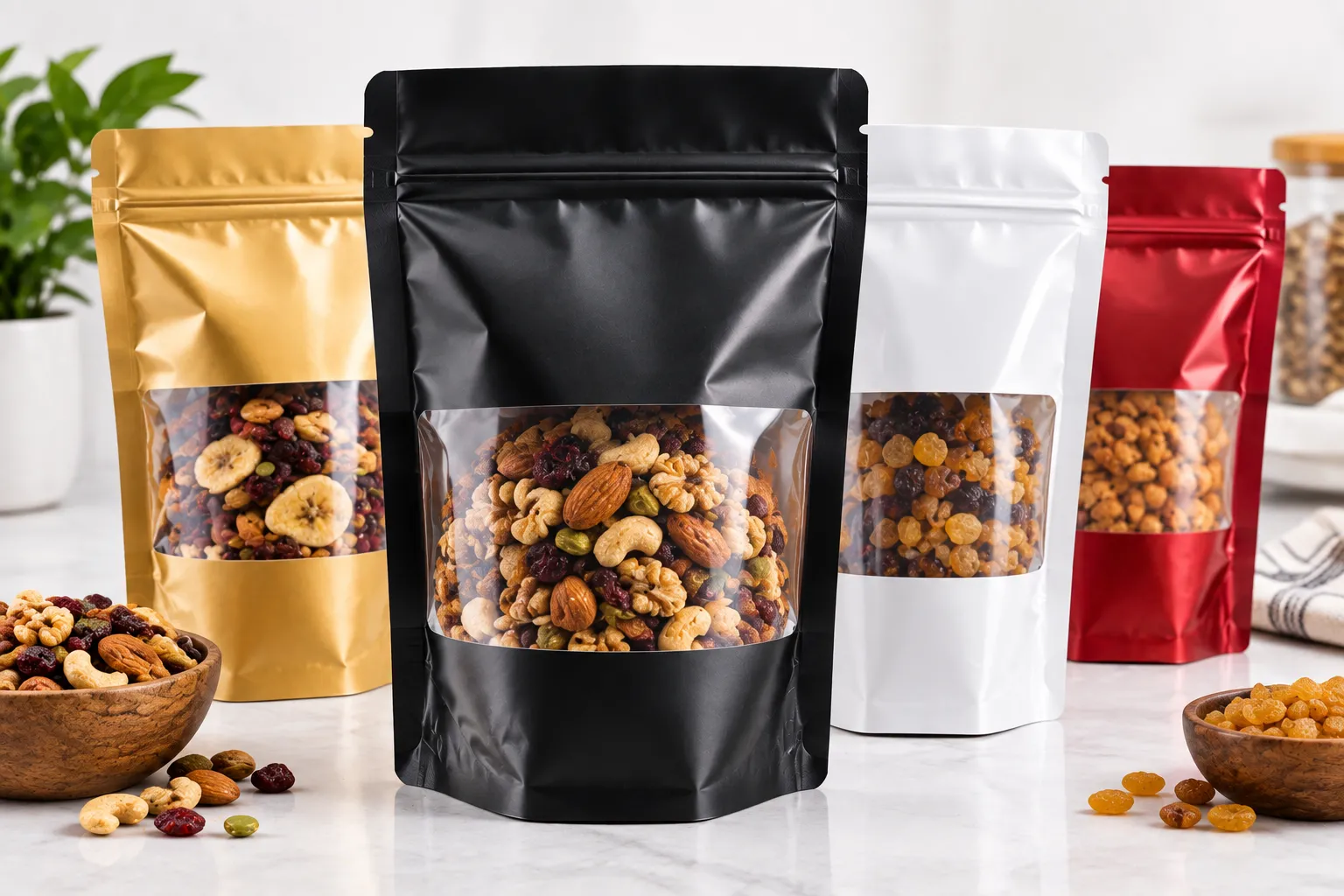
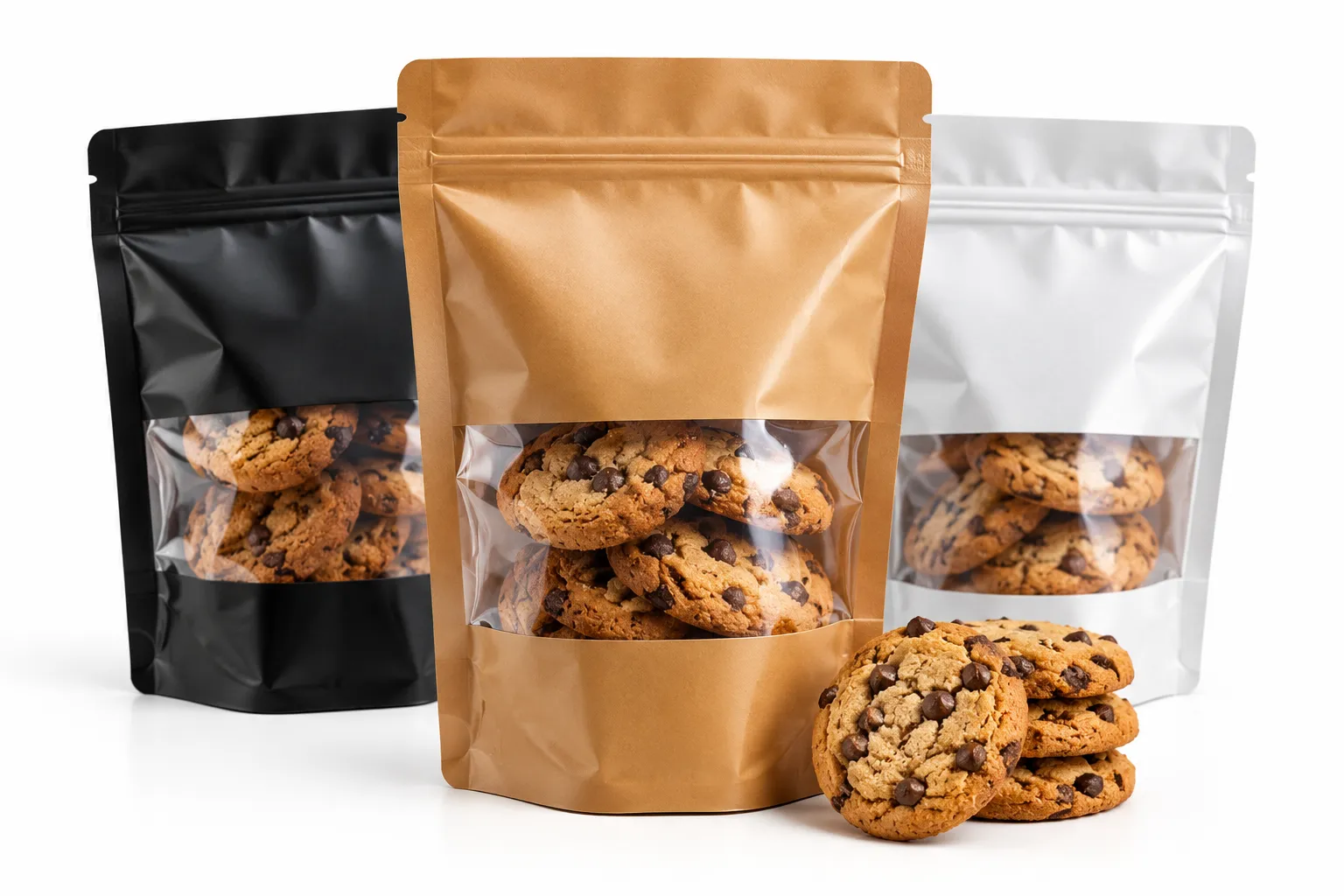
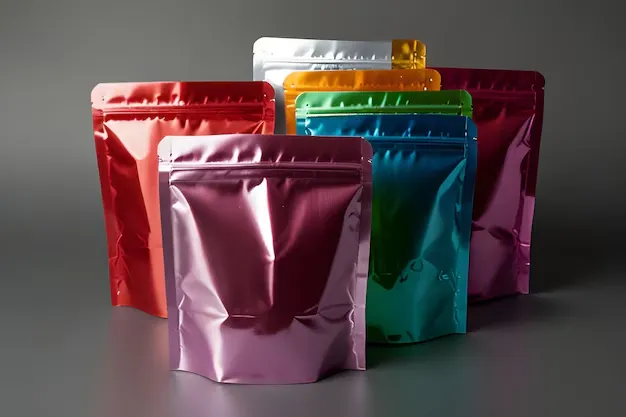
Brands generally pick from four formats, and the right one depends on the product inside and how many times a customer opens the bag. Heat-seal CR mylar bags use a tamper-evident seal built for single-serving products like a pre-measured edible or a concentrate, but they are not built to be reclosed. Mechanical CR zipper pouches use a push-and-slide or a similar interlocking track, and they suit multi-serving edibles and flower because the child resistant function keeps working after the first use. CR exit bags are the opaque bags dispensaries hand customers at checkout, and they satisfy point-of-sale rules in most states even when the product inside is in its own certified container. CR pop-top mylar pouches pair a resealable pouch with a certified insert or closure, a format that works well for flower and pre-roll packaging.
| Format | Avg. Cost | Best For | Reseal Function |
|---|---|---|---|
| Heat-seal CR mylar bag | Low | Single-serving edibles, concentrates | No, single use |
| Mechanical CR zipper pouch | Moderate | Multi-serving edibles, flower | Yes |
| CR exit bag (opaque) | Low to moderate | Dispensary point-of-sale | Yes, bag-level |
| CR pop-top mylar pouch | Moderate to high | Flower, pre-rolls | Yes |
Getting a child resistant mylar bag to market starts with picking a format that fits the product, then sending a finished sample, not just the film or the zipper alone, to an ISO-accredited lab for testing. The lab runs the child panel first, then the adult panel, and the package has to clear both before certification is issued. Any change to the film, the ink, the closure zone, or the lamination can trigger a re-test, since certification applies to the complete package as built.
A packaging compliance specialist quoted in industry coverage of the 2026 rule changes put it plainly: brands that treat certification as a one-time box to check often get caught out when a state updates its testing protocol. Several states, including Minnesota, New York, New Jersey, and Missouri, have moved toward the newer ASTM D3475-2024 protocol, which adds a larger senior panel on top of the standard child resistant test. A bag certified under the older baseline may not meet these newer state-specific rules, even though it still meets the federal standard.
Certified child resistant mylar bags cost more per unit than standard pouches, and the gap comes from two places: the material and closure hardware needed to pass testing, and the lab certification itself. Industry pricing in 2026 puts the added cost of switching to fully certified packaging somewhere between two and nine cents per unit compared to non-certified stock. That sounds small until it gets multiplied across a large production run, but the alternative costs more. Recalls tied to non-compliant packaging have run brands anywhere from twenty-five thousand to two hundred fifty thousand dollars per affected product line, once retesting, relabeling, and lost inventory get added up.
Order volume still moves the number the most. A short run of a few thousand bags costs more per unit than a run in the tens of thousands, since the certification and setup costs get spread across fewer units either way.
A supplier selling child resistant mylar bags should be able to produce the actual lab certification for the exact bag configuration a brand plans to order, not a general claim that their bags "meet CR standards." Certification tied to the wrong film thickness, zipper style, or print process does not transfer to a different build, even from the same supplier.
Companies like Mylar Bags Pro that specialize in certified cannabis and edible packaging tend to track state-by-state rule changes as part of the ordering process, which matters given how often individual states update their requirements. A general packaging printer that mostly handles snack food or retail bags may not keep pace with state-specific child resistant updates the way a specialist supplier does.
A bag earns the child resistant label only after an accredited third-party lab tests the finished package under 16 CFR Part 1700, using a panel of young children and a panel of adults. Self-certified claims from a supplier do not meet the federal standard.
Certified child resistant bags typically run two to nine cents more per unit than standard mylar pouches, depending on the closure type and order volume. Larger production runs bring the added cost down significantly per bag.
Most regulated markets require reclosable child resistance for multi-serving products, meaning the bag has to resist children on every opening, not just the first one. Single-serving products can sometimes use a one-time tamper seal instead.
Minnesota, New York, New Jersey, and Missouri have shifted toward the ASTM D3475-2024 protocol, which adds senior-panel testing on top of the standard CPSC child resistant requirement.
No. Federal rules require testing by a CPSC-recognized accredited laboratory, and self-certification by a packaging supplier does not satisfy that requirement in any regulated market.
Non-compliant packaging can lead to product seizures, fines, or license action depending on the state, and brands sometimes face a full recall of the affected product line until compliant packaging replaces it.
In most states, an opaque child resistant exit bag at checkout satisfies the point-of-sale requirement even when the product inside is already in its own certified container.
Yes. Certification covers the film, closure, and seal function, not the artwork, so brands can print full custom designs as long as the printing process does not interfere with the certified closure zone.
Certification generally stays valid for the specific package build it was tested on, but any change to the film, closure, ink, or lamination can trigger a new round of testing.
Requirements vary by state and by product type, with several states requiring child resistant packaging for ingestible hemp and CBD products in addition to regulated cannabis.
Heat and humidity can affect zipper materials and adhesive seals over time, so bags used in warmer regions should use closure materials tested for those conditions rather than a standard formulation.
A CR zipper pouch is the certified container the product itself ships and sells in, while a CR exit bag is the opaque bag a dispensary uses at checkout, and many states require both at different points in the sale.
Picking the right child resistant mylar bags comes down to matching the format to the product, confirming the lab certification covers the exact build ordered, and keeping an eye on state rules that keep shifting. None of that has to get sorted out alone. Reach out to Mylar Bags Pro with a product type and target states, and get a packaging recommendation built around current certification requirements.