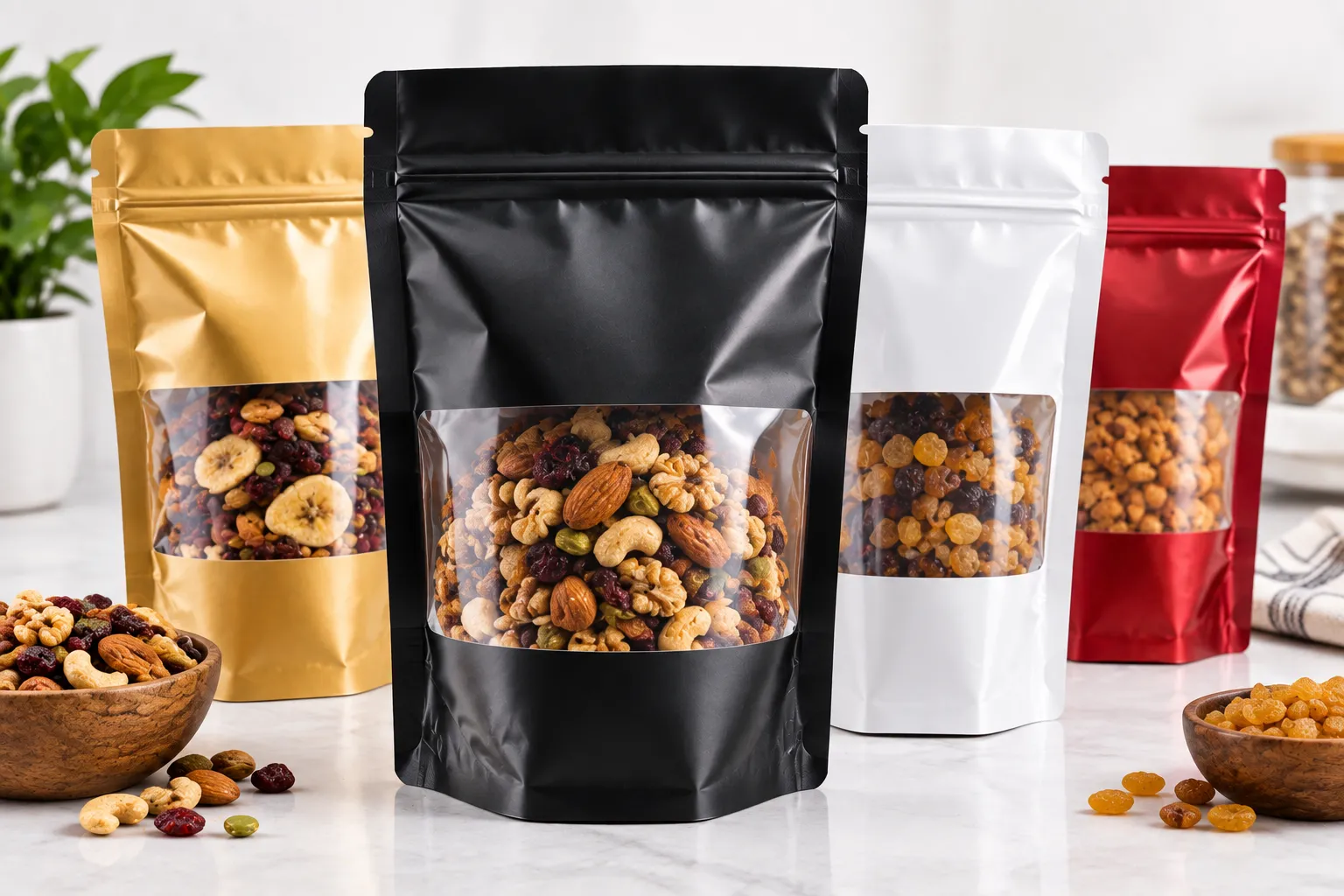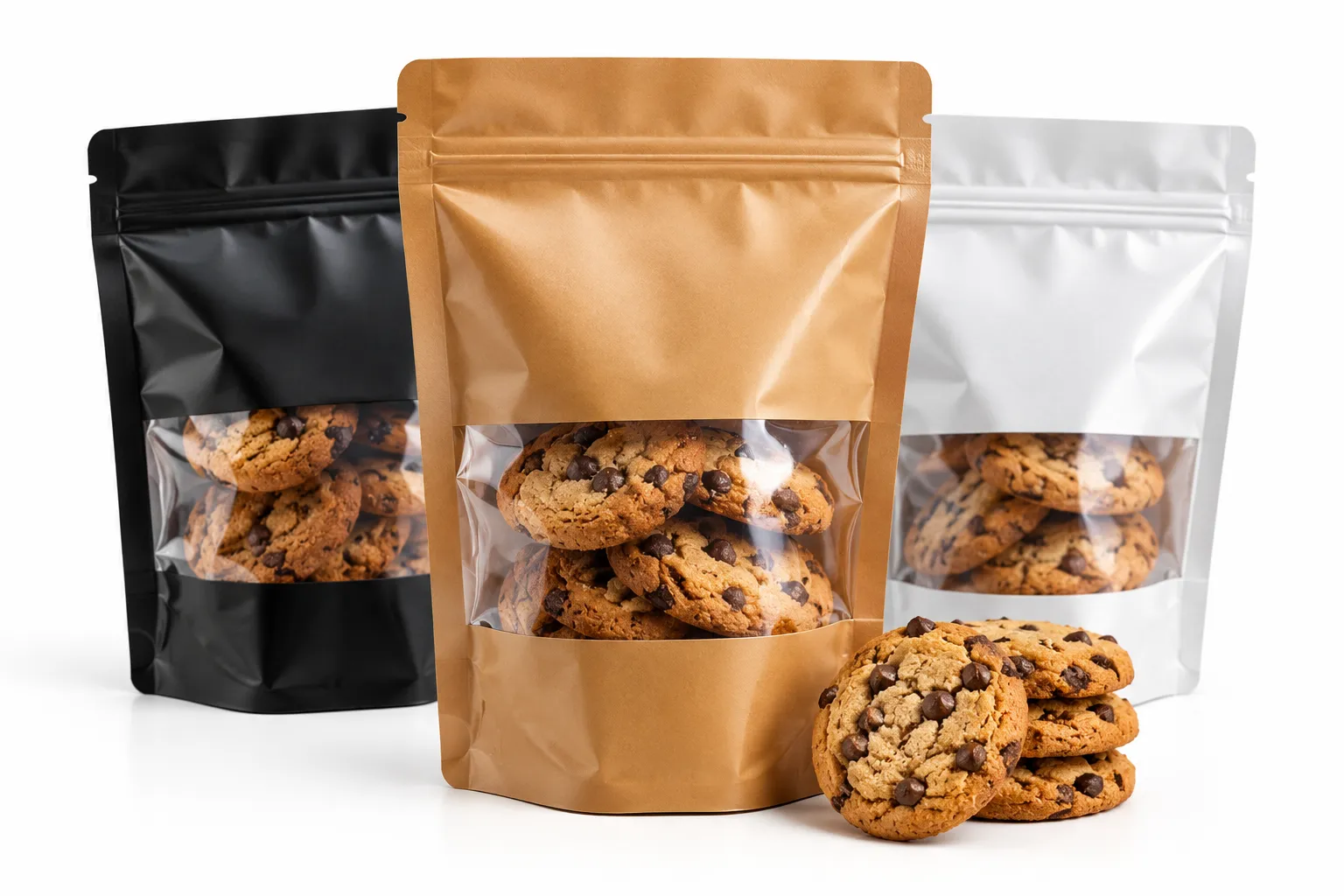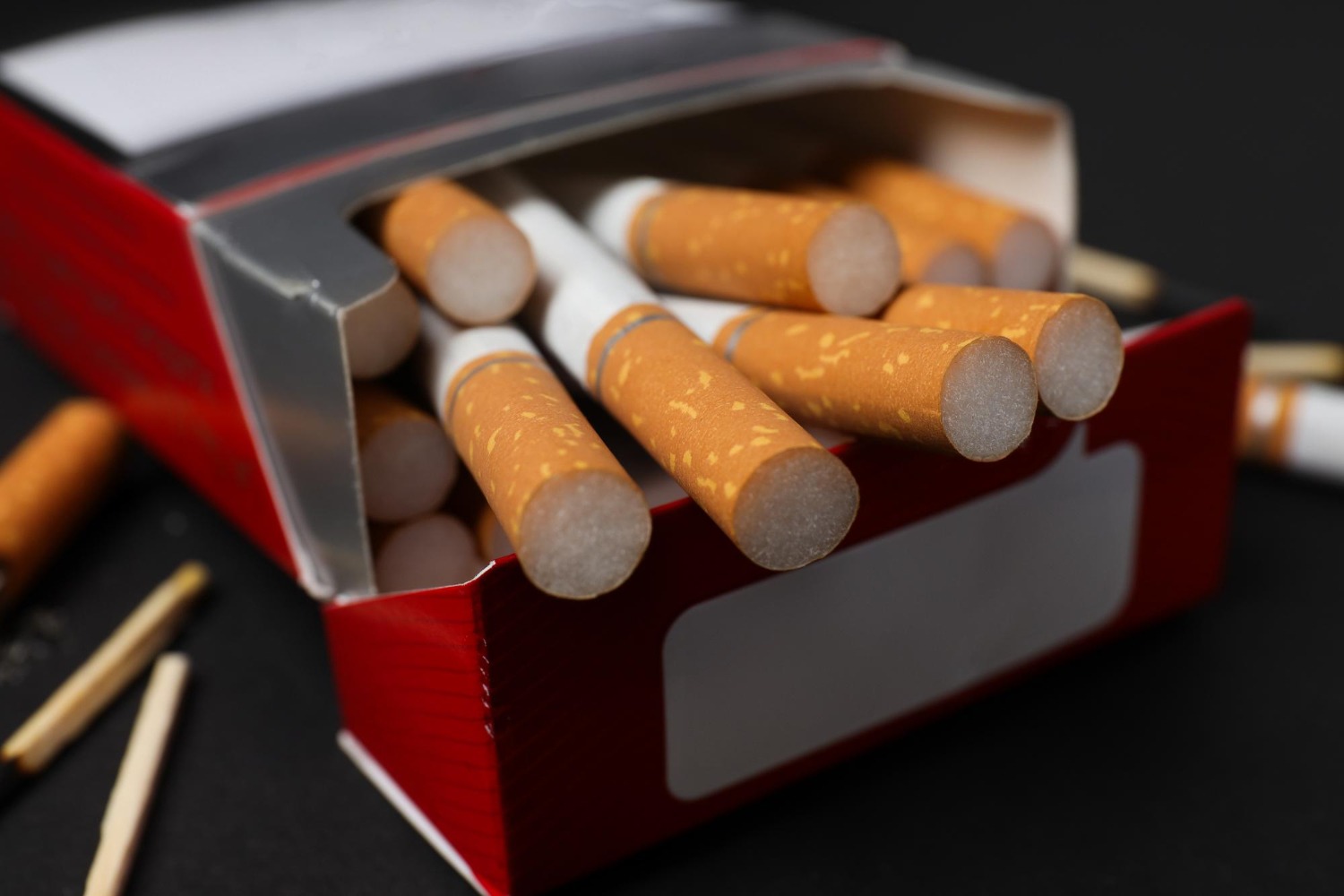
Mylar Bags Pro works with cigar shops, wholesalers, and small tobacco brands who reach a point where individual retail packaging no longer makes sense for their volume. If you're weighing whether to buy cigar mylar bags wholesale, you're likely past the stage of ordering a box or two at a time and into the territory of stocking real inventory. This guide walks through what to look for, what drives the price, and how to avoid the common mistakes businesses make on their first bulk order.
Packaging might seem like a small detail compared to the product inside, but does it actually matter that much for cigars specifically? It does, more than most new buyers expect. Cigars are sensitive to humidity and air exposure, so the wrong bag material can dry out or degrade your inventory before it ever reaches a customer.
A cigar mylar bag uses a multi-layer barrier film, often combining polyester and foil or metallized layers, to block moisture, light, and oxygen from reaching the product inside. This matters more for cigars than many other goods, since tobacco leaf reacts quickly to humidity swings and dries out fast once exposed to open air.
Businesses buying cigar mylar bags wholesale typically choose between a few core formats: flat pouches, gusseted bags with a wider base for bulkier cigars, and resealable zipper bags for products that get opened and closed multiple times before sale. Each format suits a different part of the supply chain, from bulk storage to point-of-sale retail packaging.
Thickness matters too. Thin mylar works fine for short-term storage, but cigars held in inventory for months benefit from a heavier gauge that holds up against repeated handling and temperature shifts in a warehouse.
|
Bag Type |
Typical Thickness |
Best For |
Resealable |
Avg. Cost per 100 (Wholesale) |
|
Flat pouch mylar |
3–4 mil |
Bulk storage, back-of-house |
No |
$18–$28 |
|
Gusseted mylar bag |
4–5 mil |
Bulkier cigars, multi-packs |
Sometimes |
$25–$40 |
|
Zipper-seal mylar |
4–6 mil |
Retail-ready, repeat access |
Yes |
$32–$50 |
|
Custom-printed mylar |
4–5 mil |
Branded retail packaging |
Often |
$45–$70 |
Notice how price climbs with added features like resealable zippers or custom printing. A shop selling directly to customers usually gets more value from a resealable, printed option, while a distributor storing bulk inventory can save with plain flat pouches.
Ordering cigar mylar bags wholesale starts with confirming your quantity needs and preferred bag size, since most suppliers set minimum order quantities that range from a few hundred to several thousand units depending on whether the bags are stock sizes or custom printed. Stock sizes ship faster and cost less per unit than a fully custom run.
Next comes material and thickness selection based on how long the bags need to protect the product and how much handling they'll see before sale. Suppliers typically provide spec sheets showing barrier ratings for moisture and oxygen transmission, which matters if you're storing inventory for more than a few weeks.
According to the Cigar Association of America's industry data, proper humidity control between 65 and 72 percent relative humidity is critical for preserving cigar quality during storage and transport, which is one reason barrier packaging has become standard for wholesale tobacco shipping rather than an optional upgrade.
Once specs are confirmed, most suppliers require a deposit before production, followed by a sample approval step for custom orders. A packaging consultant who works with tobacco retailers explained it this way: "Buyers who skip the sample step and go straight to a full production run are the ones who end up unhappy with print quality or bag dimensions. A five-minute review saves a costly reorder."
Several factors shape what you'll pay per unit when buying cigar mylar bags wholesale. Order volume has the biggest effect, since per-unit cost drops sharply once you move from a few hundred bags to several thousand. Custom printing, including logos, colors, and multi-side designs, adds setup fees and per-unit cost compared to stock plain bags.
Barrier thickness also affects price, with heavier gauge material costing more but offering better protection for long-term storage. Shipping costs matter too, particularly for businesses ordering from overseas suppliers, where freight and import duties can add a meaningful percentage to the total order cost.
Businesses selling tobacco products should also confirm packaging complies with relevant labeling requirements, since the FDA requires specific warning statements on cigar packaging sold in the United States, and getting this wrong on a custom print run can mean scrapping an entire batch.
Picking a reliable supplier matters as much as picking the right bag specs. Ask for barrier test data showing moisture and oxygen transmission rates, since not every supplier tests to the same standard, and vague claims about "premium protection" don't tell you much without numbers behind them.
A supplier that focuses specifically on mylar packaging for tobacco and cigar products, rather than treating it as one small category among dozens of general packaging goods, usually understands humidity control requirements and labeling rules more precisely. Suppliers like Mylar Bags Pro that specialize in this type of barrier packaging typically carry pre-tested stock sizes alongside custom print capability, which shortens turnaround for buyers who need product moving quickly.
Check turnaround time and minimum order flexibility too. A supplier that can't confirm lead times clearly, or pushes minimum orders far above what you actually need, is worth comparing against other options before you commit.
Pricing typically ranges from $18 to $70 per 100 bags, depending on thickness, resealable features, and whether the bags are custom printed.
Minimums vary by supplier, often starting around a few hundred units for stock sizes and rising to a few thousand for custom-printed runs.
Yes, cigar packaging sold in the United States must include specific FDA-required warning statements, which should be factored into any custom print design.
A 4 to 5 mil thickness generally balances durability and cost well for most wholesale cigar storage and retail packaging needs.
For retail packaging that customers open and close repeatedly, yes. For bulk back-of-house storage, a simpler flat pouch often works just as well.
With proper barrier thickness and humidity control between 65 and 72 percent, cigars can maintain quality in mylar packaging for several months.
Most suppliers offer custom printing, though it adds setup fees and typically requires a higher minimum order than stock plain bags.
Flat bags work well for slim storage, while gusseted bags have a wider base that better accommodates bulkier cigar shapes or multi-packs.
Ask for moisture and oxygen transmission rate data rather than relying on general marketing claims about protection quality.
Many suppliers ship internationally, though buyers should factor in freight costs and import duties, which can add meaningfully to the total order cost.
Yes, stock sizes avoid tooling and setup costs tied to custom dimensions, making them a faster and less expensive option for smaller orders.
Reputable suppliers typically offer a sample approval step before full production, which helps catch sizing or print issues before a costly reorder is needed.
Choosing the right cigar mylar bags wholesale comes down to matching bag thickness, format, and supplier reliability to how your business actually stores and sells product. Getting barrier data and sample approval before a full production run saves both money and time down the line. When you're ready to compare specs and pricing for your next order, Mylar Bags Pro can walk you through stock and custom options that fit your volume and budget