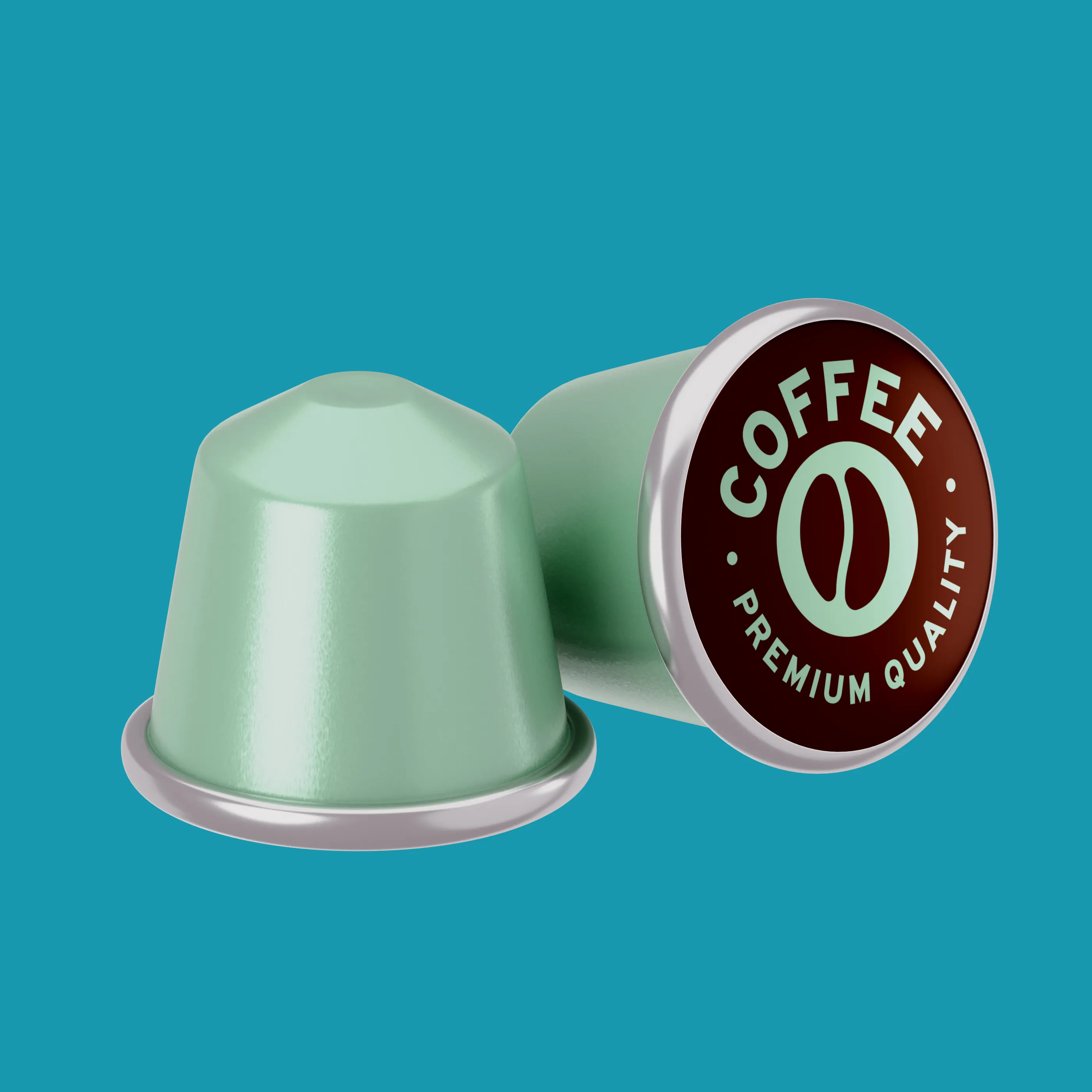
A cup of coffee only tastes as good as the seal around it. Mylar Bags Pro works with roasters and coffee brands who know that the capsule and its outer packaging carry as much weight as the beans inside. Buyers judge a brand within seconds of opening the box, and coffee capsule packaging is often the first physical detail they notice.
Home brewing has moved past the era of plain foil pods. Shoppers now expect capsules that look premium, protect the roast, and hold up during shipping. A brand that gets this right earns repeat orders. One that skips it risks stale coffee, crushed boxes, and a customer who never orders again.
This guide walks through the materials, the production steps, the costs, and the choices that separate a strong capsule packaging setup from a forgettable one.
Coffee oxidizes the moment it meets air. Ground coffee has a larger surface area than whole beans, so it loses aroma compounds within days once exposed. Capsule packaging exists to slow that clock down, and the right barrier material can hold flavor for months instead of weeks.
Buyers also read packaging as a signal of quality before they taste anything. A capsule with a dull, thin foil top or a flimsy outer sleeve suggests a rushed product, even when the coffee itself is excellent. Coffee capsule packaging carries that first impression, which is why brands treat it as part of the product rather than an afterthought.
According to Mordor Intelligence (2025), plastic still holds the largest share of coffee capsule packaging material at close to 54%, while aluminum formats are expanding faster as sustainability rules tighten across Europe and North America. That shift matters for any brand planning packaging two or three years ahead.
Every packaging material trades off freshness, cost, and sustainability differently. A brand selling premium single-origin coffee has different needs than one selling a budget office blend.
|
Material |
Avg. Cost per Unit |
Barrier Performance |
Best For |
Recyclability |
|
Aluminum capsule |
$0.06–$0.12 |
Excellent (near-zero oxygen transfer) |
Premium and specialty roasts |
Recyclable with separation |
|
Mylar-lined pouch |
$0.03–$0.08 |
Very good |
Custom-branded retail bags |
Limited, depends on lamination |
|
Compostable plant-based |
$0.10–$0.18 |
Moderate |
Eco-focused brands |
Industrially compostable |
|
Plastic (PP/PE) capsule |
$0.02–$0.05 |
Good short-term |
High-volume, budget lines |
Low, mixed-material issue |
Aluminum still wins on shelf life, which explains why so many specialty roasters stick with it despite the higher unit cost. Mylar-lined pouches give brands more flexibility for printed designs and stand-up formats, which is where a supplier like Mylar Bags Pro tends to get involved early in the process. Compostable options cost more today, but demand for them keeps climbing as retailers push back on single-use plastic.
A brand rarely designs packaging from a blank page. The process usually follows a set order, and skipping a step here almost always shows up later as a shelf-life or print quality problem.
First, the roaster shares grind size, roast profile, and expected shelf time with the packaging supplier. This determines how thick the barrier layer needs to be. Second, the supplier proposes material options and runs a small test batch to check the seal integrity under pressure and heat.
Third, the design team builds the artwork, working within the print limits of foil or laminate stock. Fourth, the supplier runs a production trial, checking fill weight accuracy and seal strength on the actual filling line. Fifth, full production begins, with quality checks pulled at intervals to catch seal or print defects before the batch ships.
Skipping the test batch is the most common mistake new brands make. A seal that looks fine on paper can still fail once it meets a real filling machine.
Material choice sets the floor, but several other factors push the price up or down. Order volume matters most: a run of 50,000 units costs far less per capsule than a run of 5,000. Custom printing adds cost too, especially with multiple colors or a metallic finish.
Barrier requirements shift the price as well. A brand shipping coffee across long distances or storing stock for months needs a stronger oxygen barrier than one selling fresh weekly batches locally. Compostable materials currently sit at the higher end of the cost range, though prices have been dropping as more suppliers enter that segment.
A packaging specialist we spoke with put it simply: "Brands that lock in their shelf-life target before choosing a material almost always end up spending less overall, because they stop paying for barrier protection they don't actually need." That single decision early on shapes every cost that follows.
Not every packaging supplier handles capsules the same way. A general packaging vendor might print a nice bag but lack experience with the seal tolerances a coffee capsule demands. Ask any potential supplier about their minimum order quantities, their barrier testing process, and whether they can match your machine's fill specifications.
Consider the story of a small roaster who switched suppliers after their original capsules kept jamming a client's brewing machine. The new supplier ran a fit test before production and caught a seal thickness issue that the first vendor had missed entirely. That one check saved a six-figure order from being scrapped.
Look for a supplier who works specifically with food-grade packaging and understands FDA requirements for materials that contact coffee grounds. Companies like Mylar Bags Pro that focus specifically on custom coffee packaging bring a different level of attention to seal consistency and barrier testing than a supplier who treats capsules as one product line among dozens. That focus tends to show up in fewer rejected batches and fewer surprises once a product hits retail shelves.
Most coffee capsule packaging uses aluminum, plastic, mylar-lined film, or compostable plant-based material. The choice depends on the shelf-life target, budget, and how the brand wants to position itself on sustainability.
Unit costs typically range from $0.02 for basic plastic capsules to $0.18 for compostable options. Order volume, printing complexity, and barrier strength all shift that price up or down.
Any packaging that touches food, including ground coffee, must meet FDA food-contact material standards in the United States. Suppliers should confirm their materials are food-grade before production begins.
Coffee sealed in an aluminum capsule with a proper barrier can stay fresh for six to nine months. Plastic and compostable options typically hold flavor for two to four months before quality starts dropping.
Aluminum capsules are recyclable if the coffee grounds are separated first, which some municipal programs require. Plastic capsules are harder to recycle because of mixed materials in the seal layer.
Minimums vary by supplier, but many start around 5,000 to 10,000 units for custom-printed capsules. Smaller test runs are sometimes available at a higher per-unit cost.
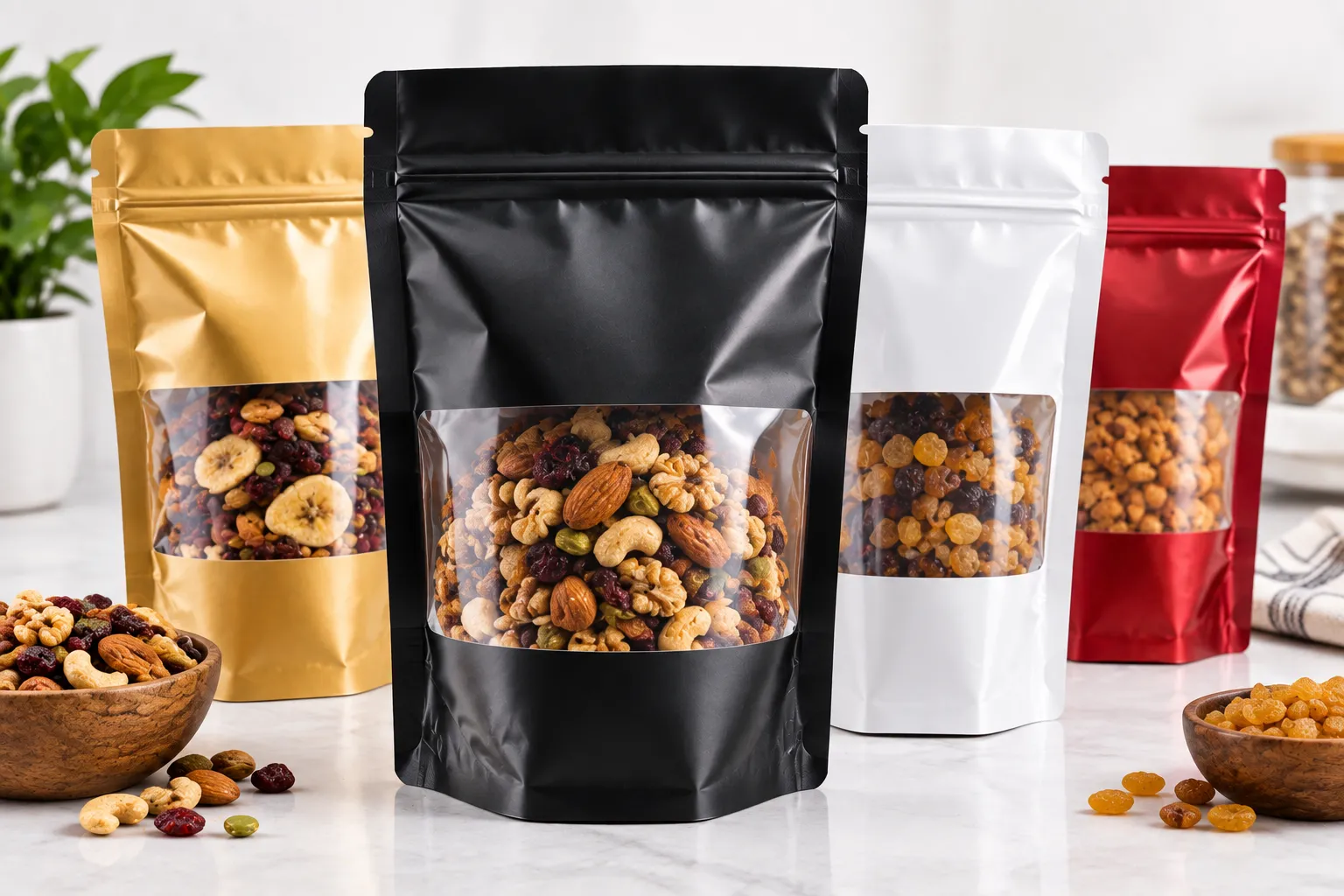
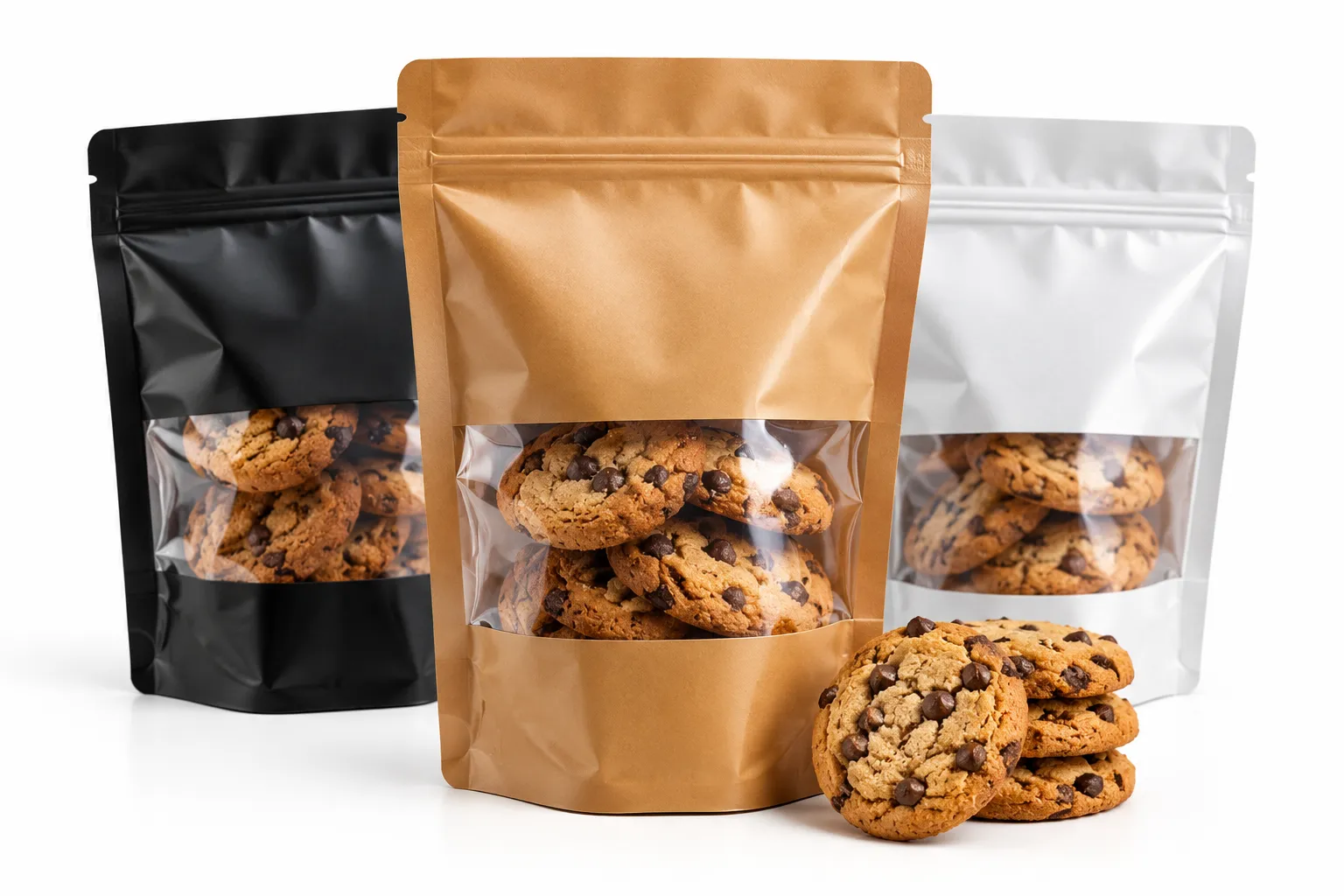
Mylar-lined packaging offers strong barrier protection at a lower cost than pure foil, and it prints well for branded designs. It works especially well for stand-up pouches and retail bags rather than single-serve capsules.
For brands targeting eco-conscious buyers, compostable packaging can justify the higher price through customer loyalty and retail placement. Barrier performance is still catching up to aluminum, so shelf life needs testing before a full switch.
The EU Packaging and Packaging Waste Regulation pushes brands toward recyclable or compostable materials, with stricter targets rolling out through 2030. Brands selling into the UK and EU should confirm their supplier tracks these requirements.
Humid climates need stronger moisture barriers to prevent clumping and flavor loss during storage and shipping. Brands shipping to coastal or tropical regions often choose thicker aluminum or added moisture-barrier layers.
Capsules are typically rigid, sealed containers made for specific machine systems, while pods are softer and often made from paper or filter material. Capsules generally offer a stronger oxygen barrier and longer shelf life than soft pods.
Request a small trial batch and run it through your actual filling and brewing equipment before committing to full production. This catches seal, fit, and fill-weight issues while the cost of a mistake is still low.
Picking the right coffee capsule packaging comes down to matching material, cost, and shelf-life needs to what a brand actually sells. Getting the seal, the barrier, and the print right the first time saves money and protects the coffee inside. Brands ready to move past guesswork can reach out to Mylar Bags Pro to walk through material options and run a test batch before committing to a full production order