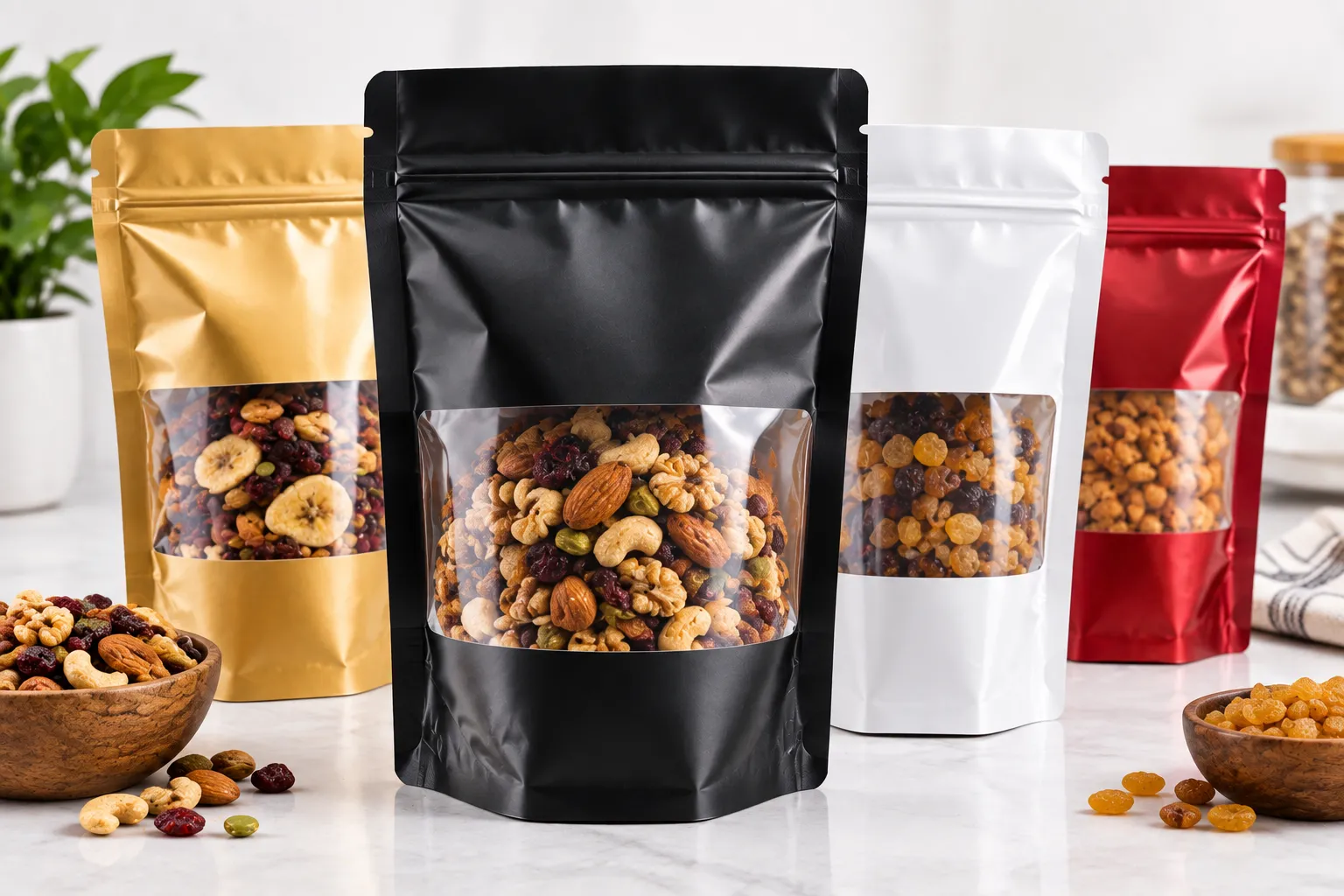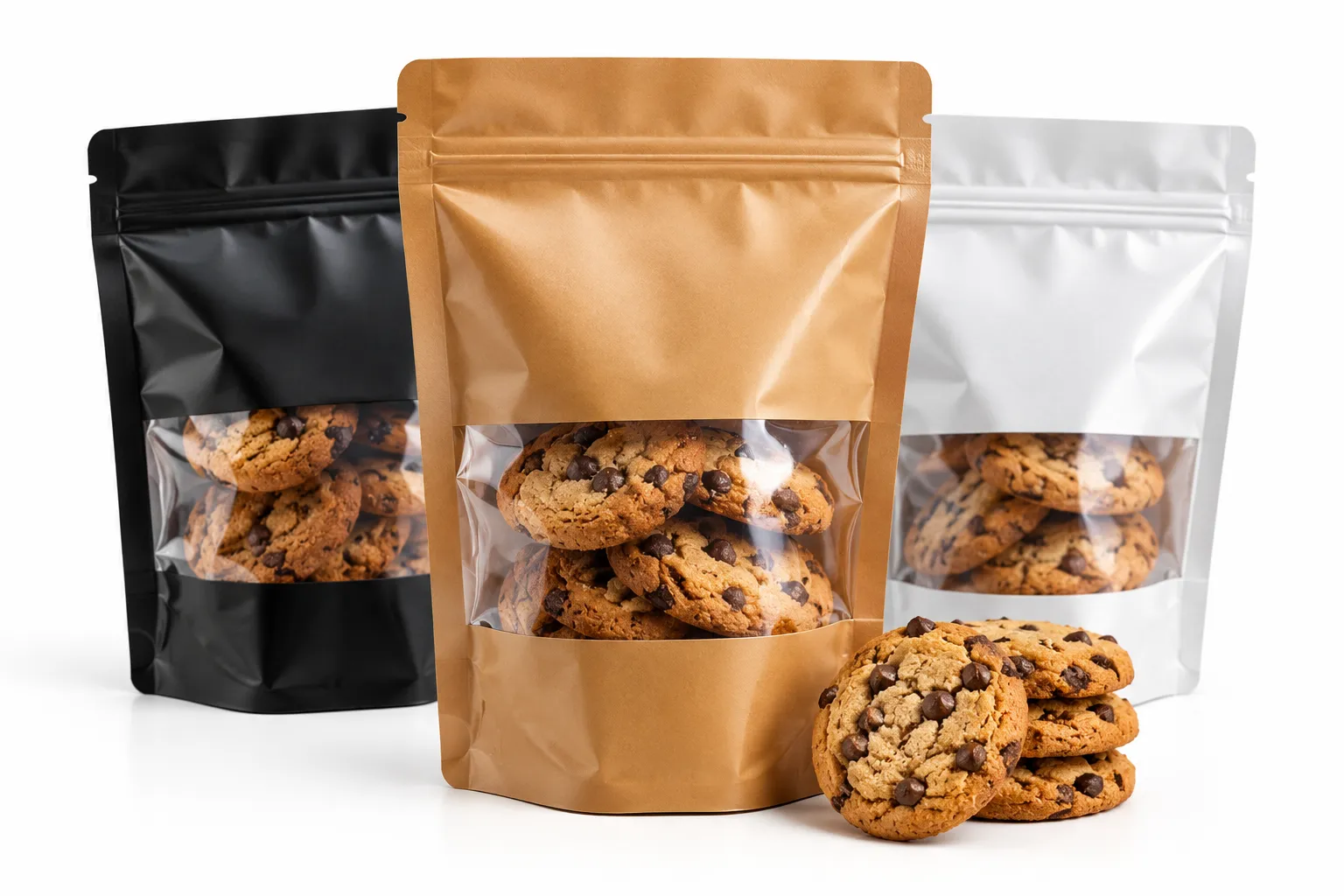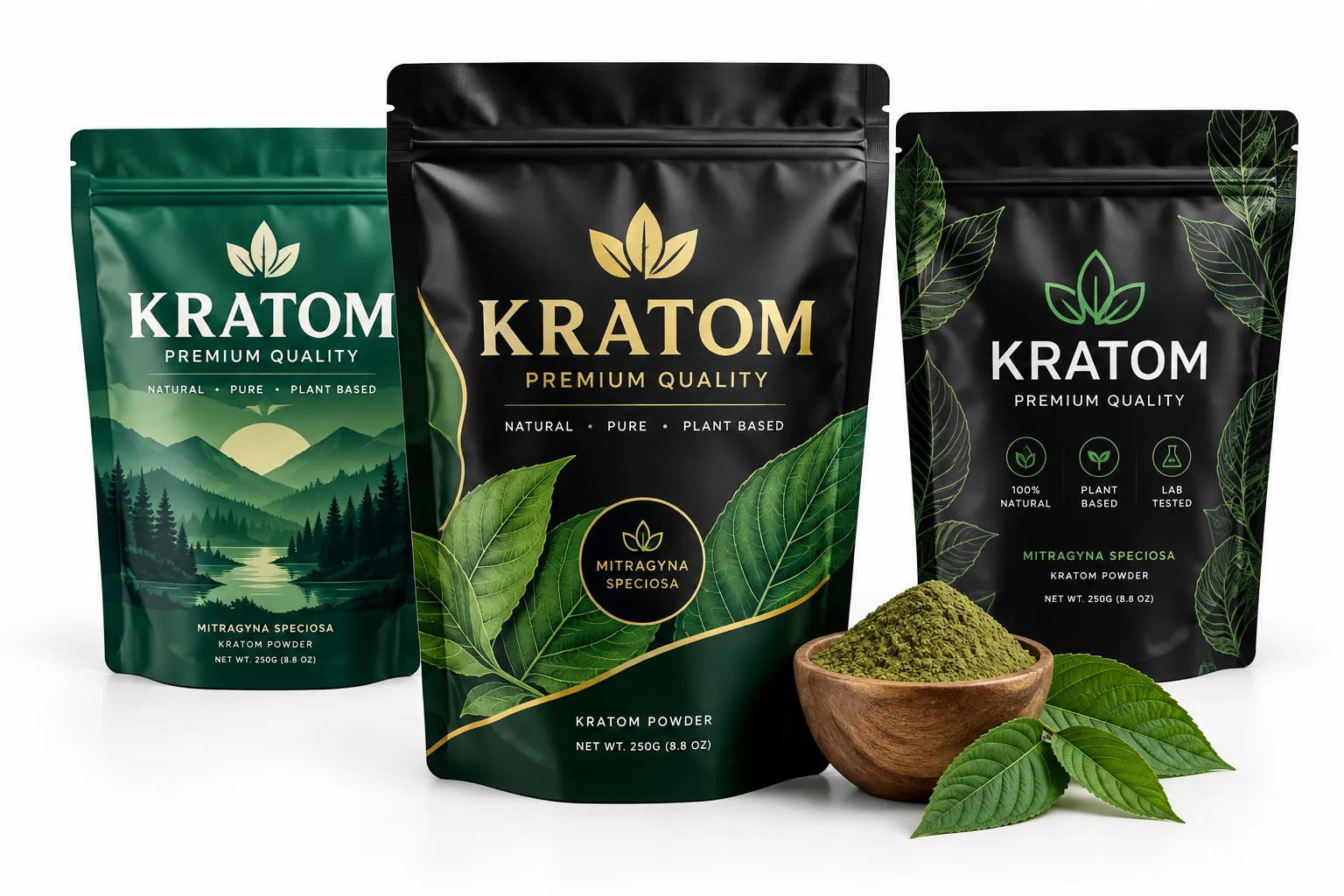
A product's packaging often decides whether a customer buys again. Custom ziplock mylar bags have become a go-to choice for coffee roasters, supplement brands, pet treat makers, and regulated product sellers who need a resealable pouch that actually keeps air, light, and moisture out. Companies like Mylar Bags Pro work with small brands and growing manufacturers to build pouches that protect the product inside while giving the label room to do its job. If your current packaging feels flimsy or your product goes stale faster than it should, the bag itself is usually the reason.
Why does a metallic pouch outperform a standard plastic bag on the shelf? The layered film construction is the answer, and it's worth understanding before you place your next packaging order.
Mylar bags get their name from a polyester film, usually laminated with a foil or metallized layer, that blocks oxygen, moisture, and light far better than single-layer plastic. That barrier matters because oxygen and light are the two biggest reasons coffee goes flat, gummies get sticky, and dried herbs lose potency. A ziplock closure adds a second layer of protection after the first opening, so the product stays fresh through repeated use instead of just the first seal.
Flexible packaging research from 2025 put the global mylar bag market at roughly $2.5 billion, with growth projected near 6% a year through the early 2030s, driven largely by food, supplement, and e-commerce sellers who need reliable barrier protection. That growth tracks with what smaller brands report anecdotally: once they switch from thin poly bags to a proper mylar pouch, complaints about stale or degraded product tend to drop fast.
Local coffee shops, hemp brands, and small-batch food makers all lean on custom ziplock mylar bags for a similar reason. The pouch does double duty as both protection and a billboard, since a well-printed bag can carry your logo, ingredient list, and brand story on shelf space that would otherwise sit blank.
Not every product needs the same bag. A whole bean coffee roaster wants a one-way degassing valve, while a supplement brand may care more about opacity and a tamper-evident seal. Here's how the common options stack up.
|
Bag Type |
Avg. Cost (per 100 units) |
Barrier Level |
Best For |
Reseal Strength |
|
Clear front mylar |
$60–$110 |
Moderate |
Retail visibility, snacks |
Moderate |
|
Fully metallized mylar |
$70–$140 |
High |
Coffee, spices, supplements |
Moderate |
|
Matte black mylar |
$80–$160 |
High |
Premium branding, cannabis/hemp |
Strong |
|
Child-resistant mylar |
$110–$220 |
High |
Edibles, regulated products |
Certified |
A clear front bag works well when the product itself sells on sight, like colorful gummies or roasted nuts. A fully metallized or matte finish makes more sense once light exposure or brand presentation becomes the priority, since darker films block UV rays that clear film lets through.
Placing a first order can feel confusing, so it helps to know what actually happens behind the scenes. The process is fairly consistent across most suppliers, even when bag styles vary.
First, you submit your artwork and choose a bag size, finish, and closure type. Second, the supplier proofs the design digitally so you can check text placement, color accuracy, and label compliance before anything gets printed. Third, the bags go through printing and lamination, where the ink layer gets sealed between film layers so it doesn't scratch or fade during handling. Fourth, the bags are die-cut, ziplock closures get applied, and the finished pouches ship to you ready to fill.
A packaging engineer who works with small consumer brands told us that the single biggest delay in custom orders comes from artwork files submitted in the wrong color mode, since RGB files print differently than the CMYK format most presses require.
A real example: a small-batch coffee roaster switched from plain kraft bags to custom ziplock mylar bags with a degassing valve. Within two months, customer complaints about beans tasting stale after opening dropped to almost zero, and repeat orders from wholesale accounts picked up because the bags looked more professional stacked on a café counter.
Pricing depends on a handful of variables, and understanding them helps you avoid sticker shock on your first quote. Order volume drives the biggest swing, since per-unit cost drops sharply once you clear 1,000 or 5,000 units. Bag size and film thickness matter too, since a 3.5-gram sample pouch costs far less than a full pound-size bag with a thicker barrier film.
Print complexity also affects price. A single-color print costs less than a full-color design with gradients or metallic ink, since more color plates and print passes add production time. Closure type is another factor, since a certified child-resistant zipper costs more per unit than a standard press-and-seal closure, largely because of the testing and certification behind it.
Isn't it worth asking for a sample pack before committing to a full production run? Most suppliers will send blank or lightly printed samples so you can test the seal strength and barrier performance with your actual product before locking in a large order.
Picking a supplier comes down to more than the lowest quoted price. Ask how they handle color-matching between your proof and the final printed run, since inconsistent color across batches can make your brand look unfinished. Check their minimum order quantities too, since some suppliers require thousands of units per size while others accommodate smaller test runs.
A supplier who works specifically with custom ziplock mylar bags, such as Mylar Bags Pro, will typically know which film thickness and closure combination holds up for a given product category, whether that's oily concentrates, high-humidity edibles, or dry goods that just need basic freshness protection. A general packaging broker without that focus may sell you a bag that looks right but fails on barrier performance once the product sits on a shelf for a few months.
If you're packaging a regulated product like cannabis, hemp, or certain edibles, your bag also needs to meet child-resistant standards. In the United States, the Consumer Product Safety Commission enforces testing under 16 CFR Part 1700, requiring that at least 85% of children under age five can't open the package within five minutes, while adults can still open and reclose it without much trouble. A supplier familiar with that standard can point you toward a certified closure instead of a bag that only looks child-resistant.
Most are built from polyester film laminated with a foil or metallized layer, which blocks oxygen, moisture, and light better than a standard single-layer plastic bag.
Pricing typically runs $60 to $220 per 100 units, depending on size, finish, and closure type, with per-unit cost dropping as order volume grows.
Only if you're packaging a regulated product. Cannabis, hemp edibles, and similar goods often need child-resistant closures certified under CPSC testing standards, along with any state-specific labeling rules.
Barrier film can extend shelf life well beyond standard paper or thin plastic packaging, since it blocks the oxygen and light exposure that cause most freshness loss.
Yes, when the film thickness and seal quality are matched to the product. Thicker, fully laminated films resist moisture penetration better in humid storage or shipping conditions.
Minimums vary by supplier and range from a few hundred units for small test batches to several thousand for lower per-unit pricing on larger runs.
Common sizes run from small 1-gram sample pouches up to multi-pound bags, with custom dimensions available for products that don't fit standard templates.
Yes. A standard zipper closure isn't automatically child-resistant. A certified CR closure uses a push-and-slide or pinch mechanism tested to meet federal safety standards.
Turnaround typically runs two to four weeks from approved artwork to shipped product, though rush options are often available for an added fee.
Most suppliers offer blank or printed samples so you can test seal strength, barrier performance, and print quality before committing to a full production run.
Clear front bags let customers see the product, while fully metallized bags block more light and offer stronger freshness protection, which matters more for coffee, spices, and light-sensitive goods.
Yes, food-grade mylar bags are widely used for coffee, dried fruit, jerky, spices, and pet treats, since the barrier properties keep products fresh far longer than basic poly bags.
Choosing the right custom ziplock mylar bags comes down to matching film thickness, closure type, and print quality to what you're actually packaging. Ask for a sample, confirm any certification your product needs, and get a written quote before your first production run. If you want a supplier that specializes in this exact product, Mylar Bags Pro can walk you through film and closure options based on what you're packaging, no pressure involved