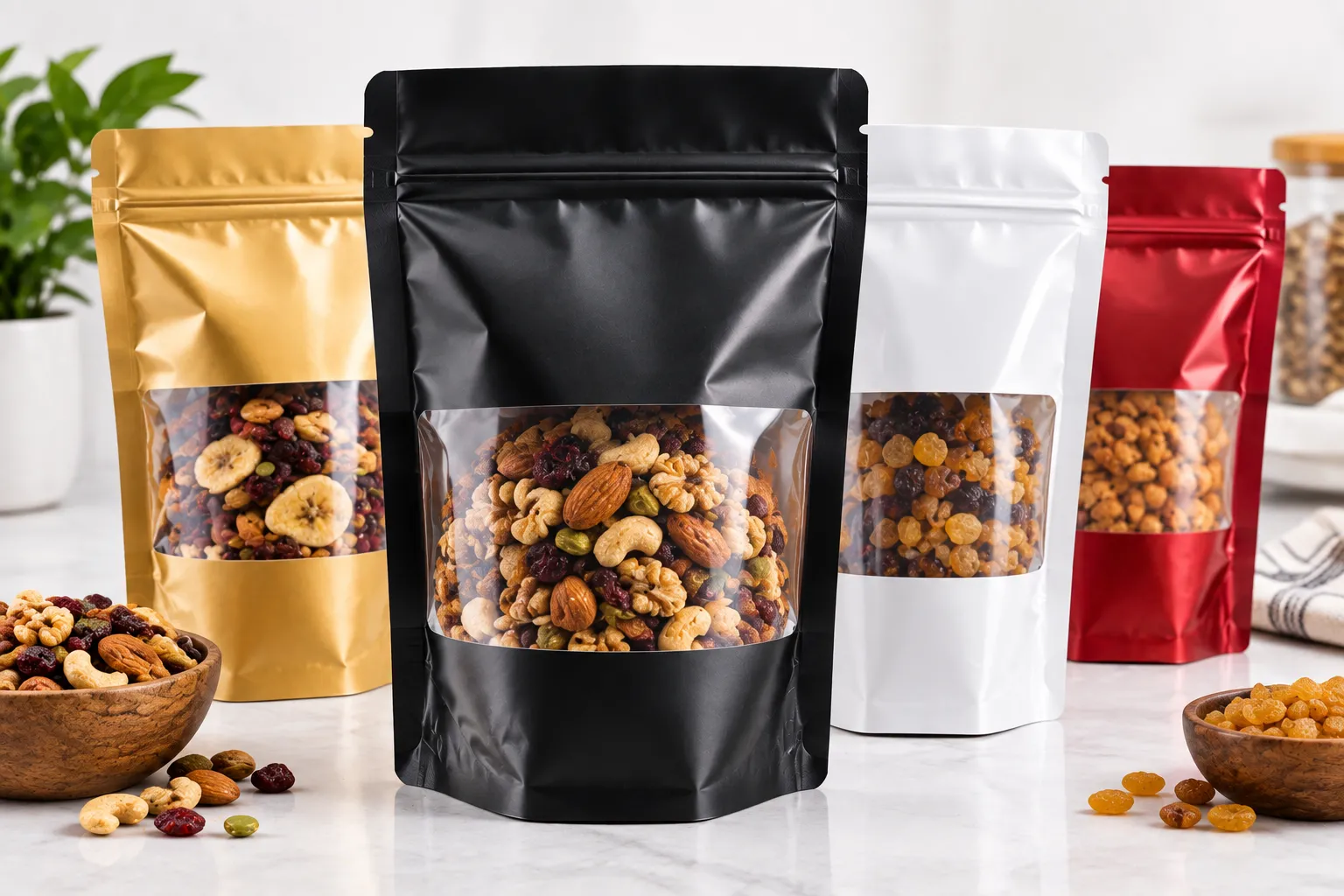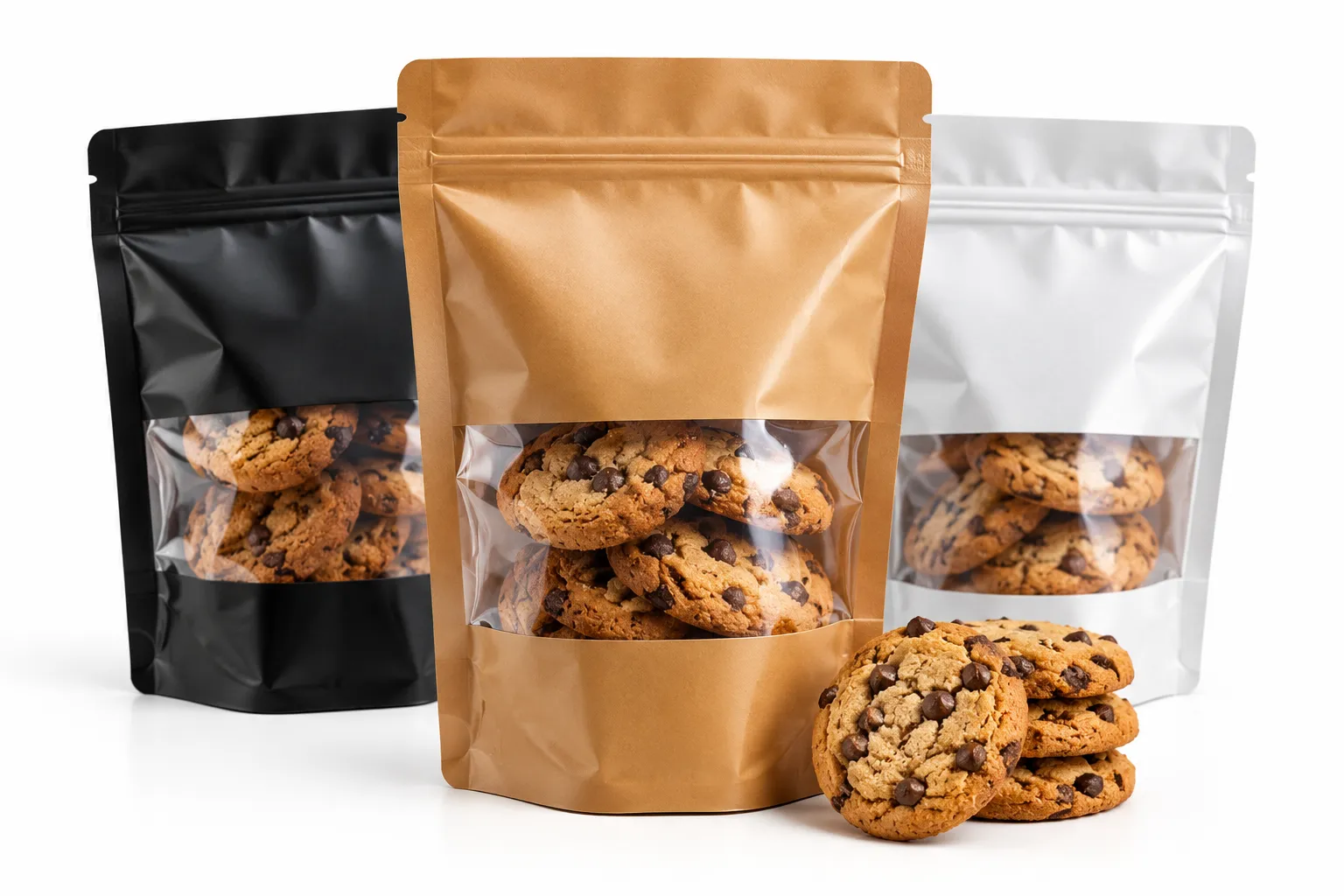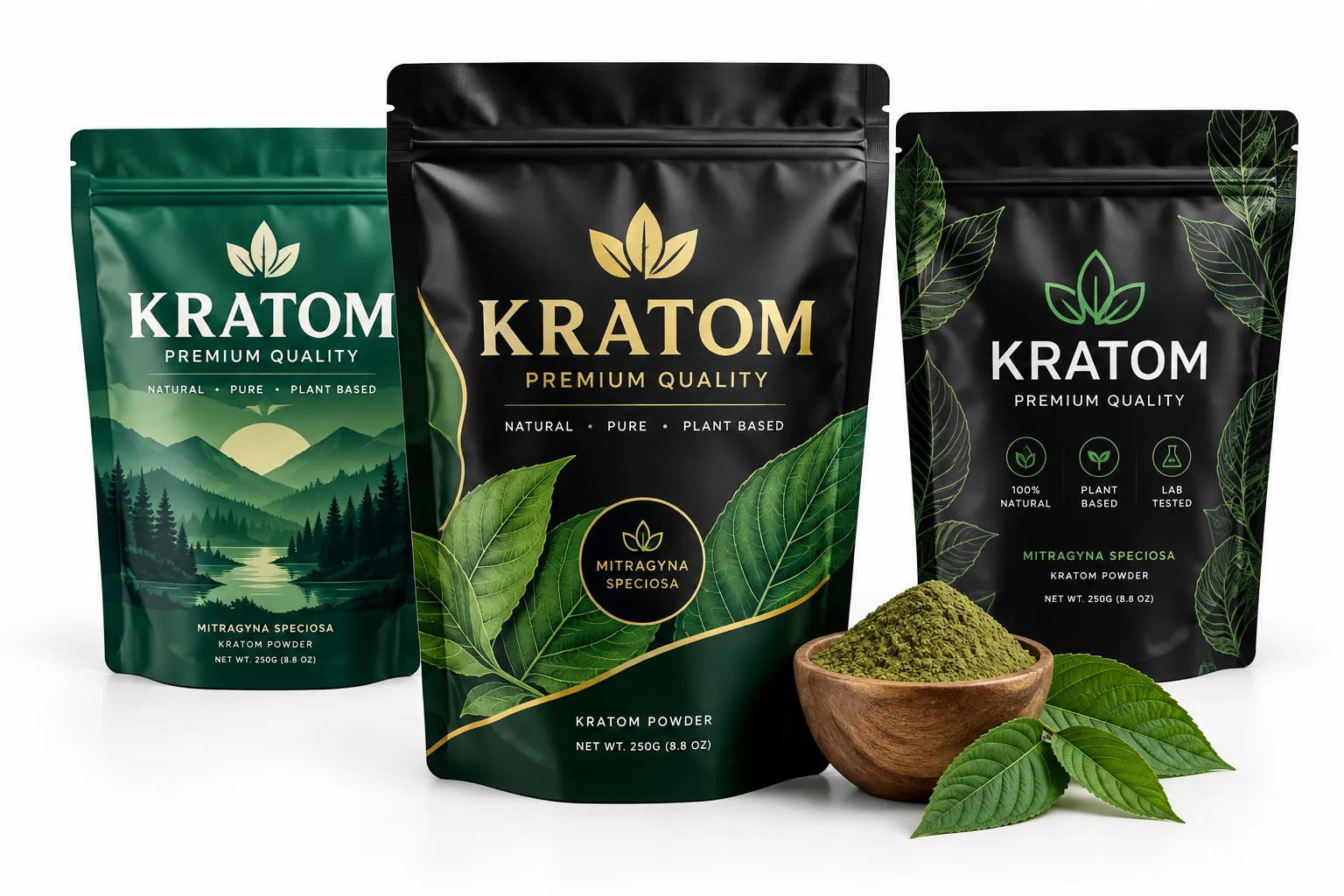
Mylar Bags Pro fields questions from brand owners every week who are trying to move away from plain rectangular pouches toward something that actually stands out on a shelf or in a photo. A custom shape does more than look nice. It changes how a customer picks up your product, how it displays in a retail rack, and sometimes how well it protects what's inside.
Die cut mylar bags solve a specific problem that standard pouches can't: they let you build a shape around your product and your branding instead of forcing your branding to fit inside a generic rectangle. Whether you're packaging coffee, edibles, pet treats, or small hardware components, the die cut shape becomes part of the design itself rather than something printed onto a plain bag.
This guide breaks down what die cut mylar bags actually offer, which shapes suit which products, and what drives the cost so you can plan a packaging order that fits your budget and your launch timeline.
A die cut mylar bag is cut using a custom-shaped blade template rather than the standard straight edges of a stock pouch. This means the bag itself can include curved tops, notched handles, rounded corners, or a silhouette shaped around your logo.
Beyond appearance, the material still does the heavy lifting that mylar is known for. Multi-layer mylar film blocks light, moisture, and oxygen far better than paper or plain plastic, which matters for anything with a shelf life, from roasted coffee to dried herbs. Why settle for a shape that looks like everyone else's bag when the barrier performance stays the same either way?
Retailers notice the difference too. A distinct silhouette on a shelf catches attention faster than a flat rectangle stacked next to a dozen competitors, which is part of why die cut shapes have become common in coffee, snack, and cannabis-adjacent packaging categories.
Different die cut shapes suit different products, budgets, and shelf setups. Here's how the common styles compare.
|
Style |
Avg. Cost (per 1,000 units) |
Barrier Rating |
Best For |
Custom Printing |
|
Stand-up pouch with curved top |
$380–$520 |
High |
Coffee, snacks, pet treats |
Excellent |
|
Flat pouch with die cut handle |
$340–$460 |
Moderate to high |
Bulk goods, hardware, gifts |
Good |
|
Shaped silhouette (logo-contoured) |
$550–$780 |
High |
Premium or novelty product lines |
Excellent, complex artwork |
|
Rounded-corner flat pouch |
$300–$420 |
Moderate |
Small parts, samples, edibles |
Good |
Stand-up pouches with a curved top strike a strong balance between shelf presence and structural stability, which is why they show up so often in coffee and snack aisles. Flat pouches with a die cut handle work well for bulkier goods that need an easy carry point, though they sacrifice a bit of the barrier strength found in fully sealed stand-up designs.
Shaped silhouettes cost more because the die tooling gets more complex, but they deliver the strongest shelf impact for a brand trying to stand apart in a crowded category. Rounded-corner flat pouches sit at the budget end and suit smaller items where barrier performance matters less than presentation.
Getting a die cut mylar bag made follows a fairly set sequence, and knowing the steps ahead of time helps you avoid delays.
First, you send your desired shape, either as a rough sketch or a reference image, so the design team can build a die line that matches your vision. Second, a digital proof comes back showing how your artwork sits within the custom shape, followed by a physical sample for orders over a few thousand units. Third, once you approve the proof, the die gets cut and the print run begins, which typically takes 10 to 15 business days depending on shape complexity.
A packaging supplier working specifically with die cut mylar bags, such as Mylar Bags Pro, usually builds in a structural test at the sample stage, checking that the seal holds and the shape doesn't warp during filling. Skipping that step is one of the more common reasons a first production run gets rejected after the fact.
Several factors move the price up or down, and knowing them helps you set a realistic budget.
Die complexity matters most. A simple curved top costs far less to tool than a fully contoured logo shape, since intricate cuts require more precise blade work and longer setup time. According to the Flexible Packaging Association (2023), custom die cutting can add 15 to 30 percent to base pouch costs depending on shape intricacy, which explains why simple curved shapes remain the most popular starting point for new brands.
Order quantity is the second driver. Unit price drops noticeably between 500 and 2,500 units, then flattens out. A brand ordering 5,000 bags might pay 35 percent less per unit than one ordering 500, since the die tooling cost gets spread across a larger run.
Barrier layer thickness also affects price. A heavier multi-layer laminate built for long shelf life costs more per unit than a lighter film meant for short-term use. Add-ons like a resealable zipper, a tear notch, or a matte finish each carry their own small cost increase.
Lastly, whether bags arrive flat-packed or pre-formed affects shipping and storage costs. Flat-packed saves on freight but adds labor for filling, while pre-formed bags cost more to ship but save time on the production line.
A good supplier does more than cut a shape into a bag. They understand barrier film performance, they catch structural issues before a run gets printed, and they can advise on which shape actually holds up once it's filled and sealed.
Ask a potential supplier how many die cut runs they've handled, what happens if a proof reveals a structural issue, and whether they test seal strength before a full production run. A supplier without die cutting experience may miss a weak point where a curved edge meets the seal line, which can cause bags to split during filling or transit.
Suppliers who specialize specifically in die cut mylar bags, like Mylar Bags Pro, tend to carry a practical edge over general pouch manufacturers. They've already worked through the tooling challenges that come with custom shapes, tested seal integrity on non-standard silhouettes, and handled smaller test runs that general packaging plants often treat as low priority. A general packaging vendor might quote a lower base price, but they often lack the die-specific tooling experience and structural testing that a specialist builds into every order as standard practice.
Picture two brands ordering the same curved-top coffee pouch. One works with a general pouch manufacturer and finds during filling that the seal near the curve doesn't hold under weight. The other works with a die cut specialist who flagged that exact stress point during the sample stage and reinforced the seal before the full run went to print. The second brand launches on schedule. The first reprints an entire batch.
A die cut bag uses a custom-shaped blade template instead of the standard straight edges found on stock pouches, allowing curved tops, handles, or logo-shaped silhouettes. The barrier film performance stays the same either way.
A first order of 500 to 1,000 units in a simple curved-top style typically runs between $300 and $460 depending on printing complexity. Fully contoured silhouette shapes cost more, often starting near $550 for the same quantity.
Yes, the multi-layer barrier film used in die cut bags offers the same moisture, light, and oxygen protection as standard mylar pouches. The custom shape affects appearance and shelf display, not barrier performance.
Coffee, snacks, pet treats, dried herbs, and small hardware components all suit die cut shapes well, especially when shelf presence matters. Products needing long-term freezer storage may need a heavier laminate regardless of shape.
Standard turnaround runs 10 to 15 business days after proof approval, though simpler shapes can move faster and highly complex silhouettes may take closer to 3 weeks. Rush production is sometimes available for an added fee.
Most suppliers offer sample runs of 50 to 250 units so you can test seal strength and shape durability before placing a bulk order. This step is worth the extra cost, especially for a first-time custom shape.
Food-grade die cut mylar bags are available and commonly used for coffee, snacks, and dried goods, though recyclability depends on the specific film composition used. Check with your supplier about which laminate meets your product's regulatory needs.
A stand-up pouch with a curved top tends to hold shape and seal strength best under weight, since the structure distributes stress more evenly than a flat die cut bag. This makes it the most common choice for coffee and heavier snack products.
Compare cost per unit at the same quantity, film thickness, and die complexity, since a lower quote sometimes reflects thinner film or a simpler shape than you actually need. Ask each supplier for a like-for-like quote on identical specifications.
A resealable zipper adds a small cost per unit but extends product freshness after opening, which matters for coffee, snacks, and pet treats sold in larger sizes. Single-serve products often skip this feature to keep costs down.
Flat-packed bags cost less to ship and store but require filling equipment or manual labor to shape before use. Pre-formed bags cost more upfront but save time on the production line for brands without dedicated packing equipment.
A supplier experienced with die cutting can flag structural weak points, such as a seal line crossing too close to a curved edge, before the full production run starts. This kind of review can prevent a costly reprint after filling.
Choosing a die cut mylar bag comes down to matching shape, barrier strength, and film thickness to how your product looks, ships, and sits on a shelf. Start with the shape that fits your brand, then work backward to a barrier level and order quantity that fits your budget. If you want a supplier who already understands the tooling and testing that custom shapes require, Mylar Bags Pro offers sample runs and can walk through shape and material options for your product line without any pressure to commit right away