Mylar Bags Pro works with roasters, food brands, and long-term storage buyers who all land on the same question sooner or later: which heat seal mylar bags actually hold up once the bag leaves the shelf? The film looks similar from one supplier to the next, but thickness, layer structure, and seal quality change the outcome by years, not weeks. This guide walks through what these bags are made of, what drives the price, and how to pick a thickness that matches what you're storing.
Coffee roasters, spice brands, pet food companies, and home preppers make up most of the buyer base. A roaster cares about a tight oxygen barrier that keeps beans fresh for a few months on a shelf. A prepper stacking rice and beans in a basement cares about a barrier that holds for twenty years. Both need the same core material, just in different thicknesses.
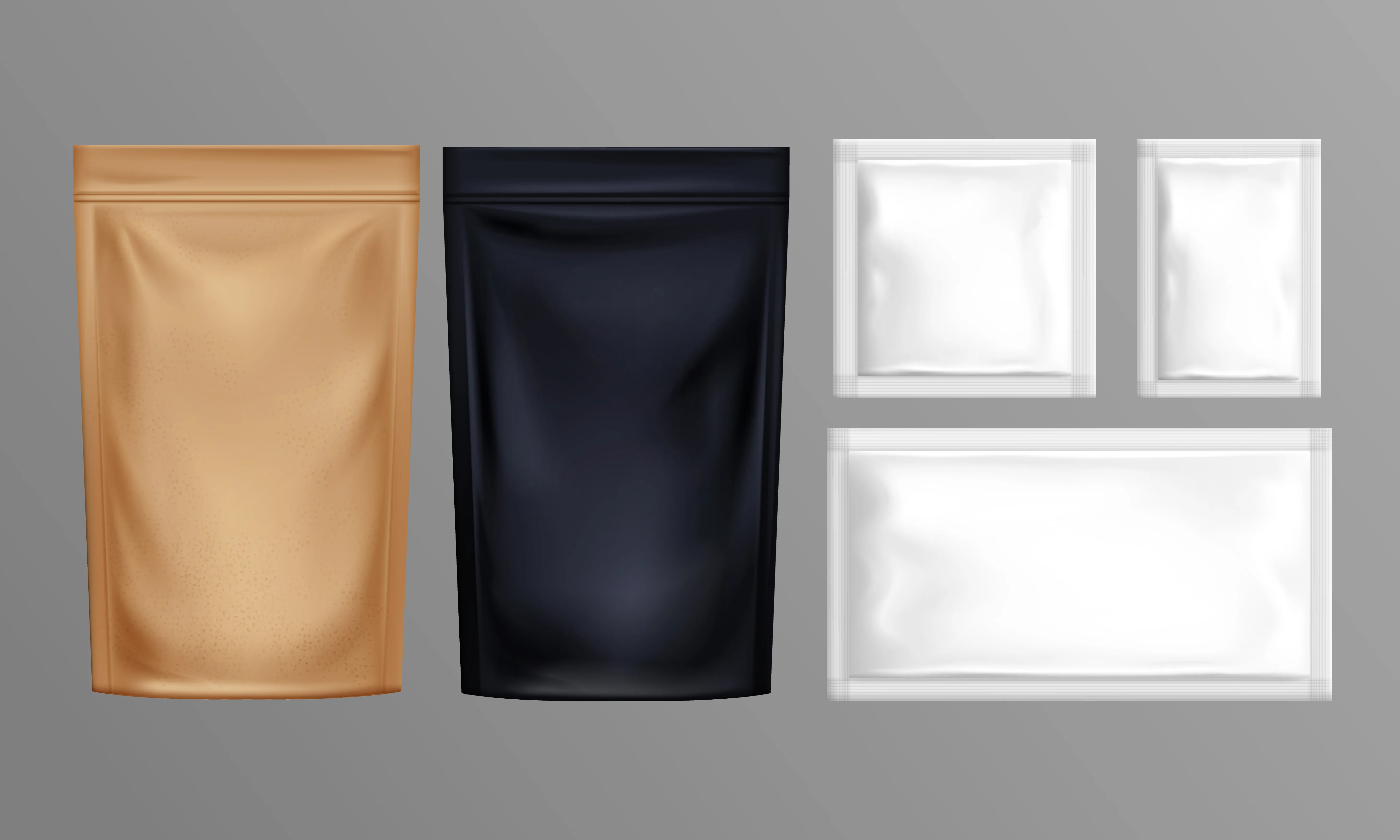
A heat seal mylar bag is built from biaxially oriented polyester film, usually laminated with a thin layer of aluminum and a heat-sealable polyethylene layer on the inside. Isn't that just fancy foil? Not quite. The aluminum layer blocks nearly all light and oxygen, while the polyethylene layer is what melts under a heat sealer to create an airtight bond across the top of the bag.
Why does that matter so much for shelf life? Oxygen and light are the two forces that break down flavor, nutrients, and color in stored food over time. A heat seal mylar bag with an aluminum-laminated structure can reach an oxygen transmission rate under 0.01 cc per square meter per day, which is a fraction of what a standard plastic pouch allows through. That barrier is why dry staples sealed this way, paired with an oxygen absorber, can sit in storage for decades rather than months.
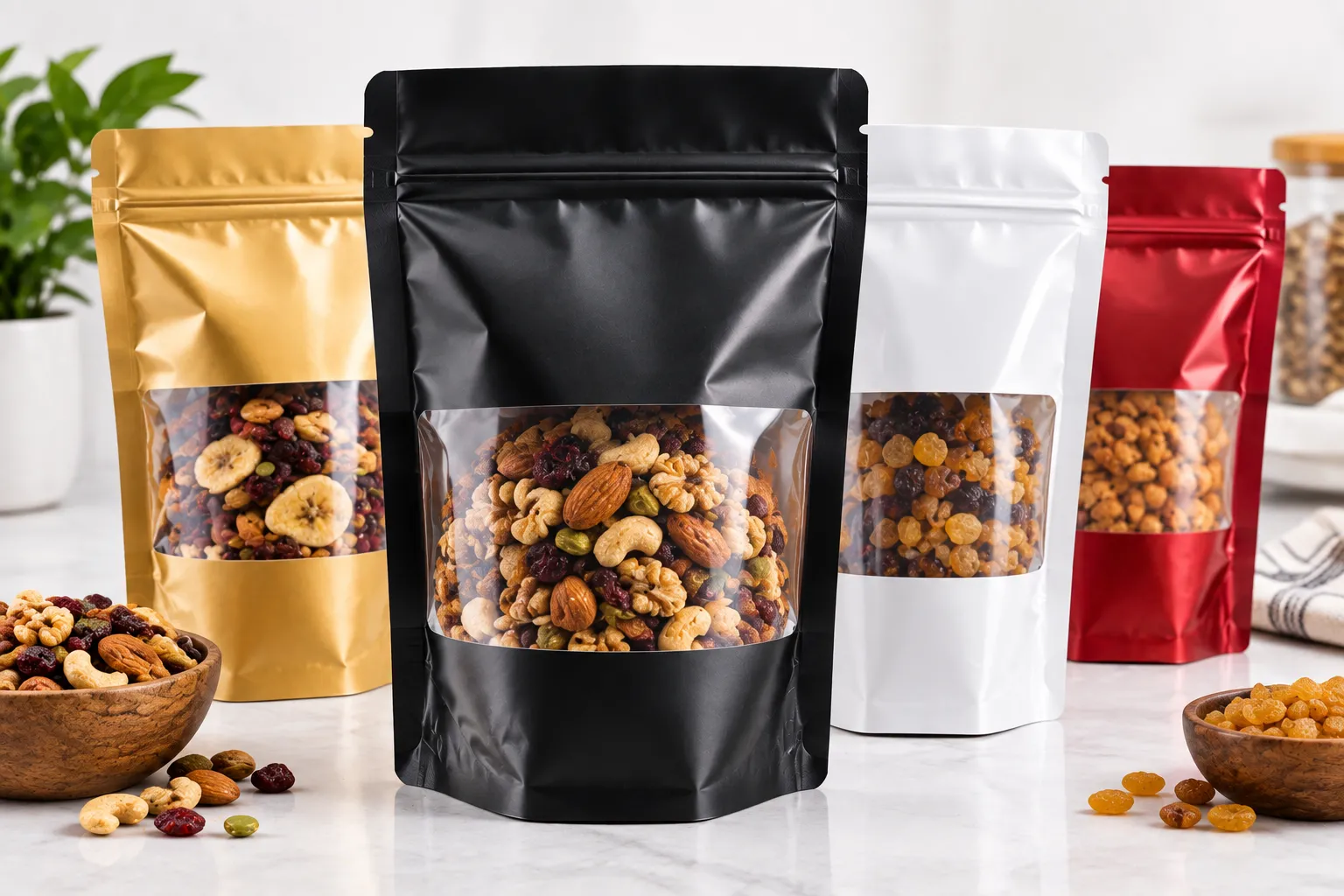
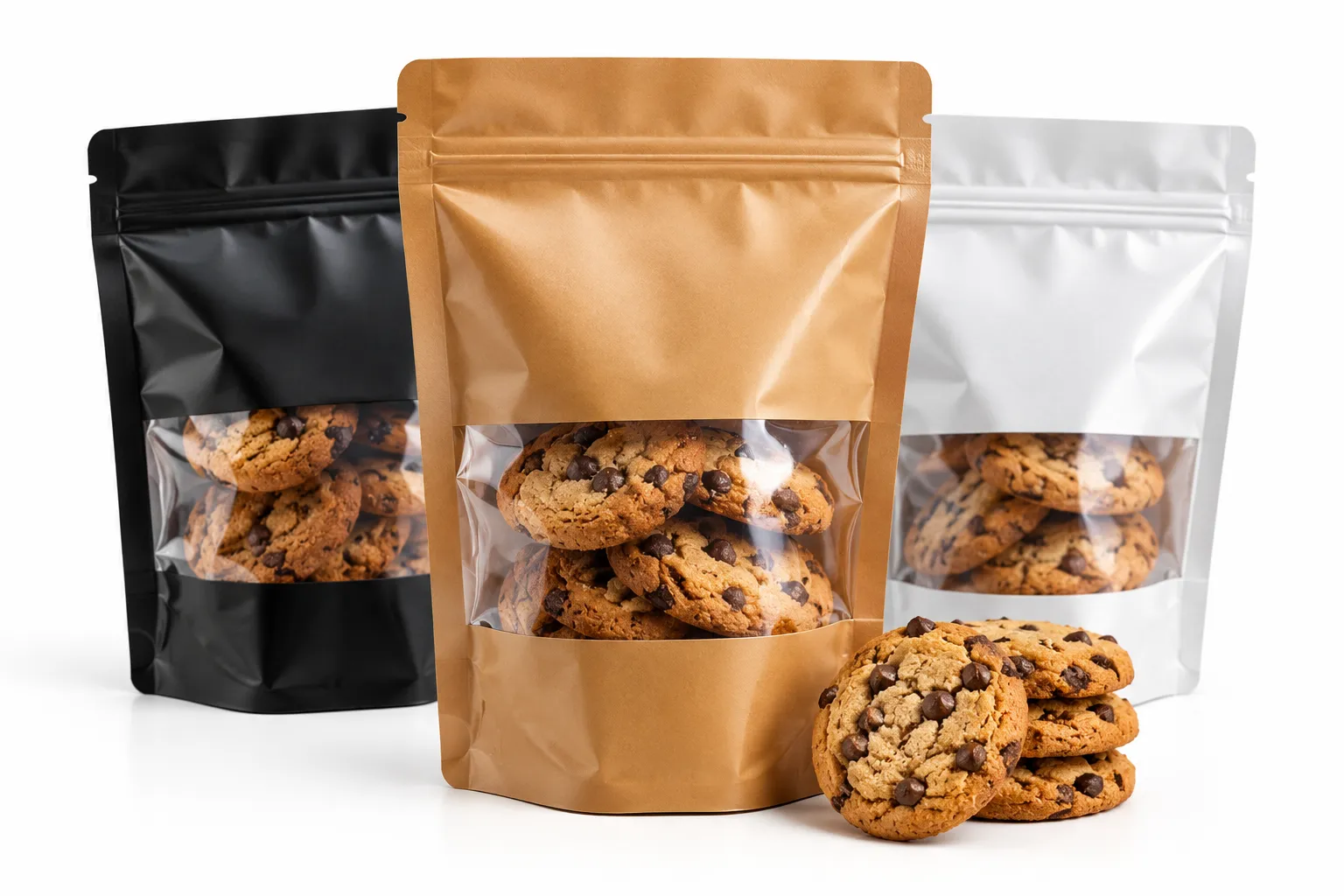
Retail brands like the format for a different reason. A printed mylar pouch with a resealable zipper on top and a heat-sealed bottom gives them a shelf-ready package without the cost of rigid containers. Coffee bags, pet treat pouches, and spice packets across grocery stores use this exact structure daily.
Picking the right mil thickness matters more than most first-time buyers expect, since a bag built for a three-month retail shelf life doesn't need the same wall thickness as one meant to sit sealed for twenty years.
|
Thickness |
Typical Use |
Avg. Cost per Unit |
Barrier Strength |
Puncture Resistance |
|
2.5 mil |
Sample sachets, single-serve pouches |
$0.04–$0.07 |
Moderate |
Low |
|
3.5 mil |
Retail coffee, spice, and snack bags |
$0.06–$0.10 |
Strong |
Moderate |
|
5.0 mil |
Bulk grains, pet food, 1–5 year storage |
$0.09–$0.14 |
Very strong |
Good |
|
7.0 mil |
Long-term emergency food storage (20+ years) |
$0.13–$0.20 |
Maximum |
Excellent |
Pricing shifts with bag size, printing, and order volume, so use this table as a planning guide rather than a fixed quote.
Getting a reliable seal on a mylar bag comes down to heat, pressure, and time, and getting any one of the three wrong leaves a weak spot that lets oxygen back in.
The operator fills the bag first, leaving a clear inch or two of headspace at the top for the sealer bar to grip. A heat sealer, whether a small clamp-style unit or an industrial impulse sealer, presses the top of the bag between two heated bars for one to three seconds, melting the inner polyethylene layer on both sides so they fuse into one continuous bond. Letting the seal cool for a few seconds before moving the bag keeps the bond from pulling apart while it's still soft.
For long-term storage, most experienced packers run a double seal, folding the top edge over and running a second pass an inch below the first. According to the University of Georgia Cooperative Extension, oxygen levels inside a properly sealed mylar bag with an oxygen absorber drop below one percent within hours, which is low enough to stop mold growth and most aerobic bacteria from taking hold.
A packaging engineer who works with flexible barrier films put it plainly: most seal failures trace back to food particles or moisture caught in the seal area, not a bad sealer. Wiping the inside edge of the bag clean before sealing solves more problems than upgrading equipment ever does.
Food-grade mylar sold for direct food contact in the US needs to meet FDA requirements under 21 CFR for food packaging materials, which is worth confirming with a supplier before buying in bulk for anything you plan to eat later.
Four factors move the price more than anything else: thickness, size, printing, and order volume.
Thickness sets the baseline, since a 7 mil bag uses close to three times the raw material of a 2.5 mil sachet. Bag size follows the same logic. A 20x30 bag built for a 5-gallon bucket costs more per unit than a quart-size pouch, simply because it takes more film to make it. Full-color custom printing across the front and back adds a noticeable premium over a plain metallic bag with a single spot color, and orders under 500 units carry a per-unit markup that fades once volume climbs into the thousands.
Picture a small coffee roaster placing a first order of 1,000 printed 3.5 mil bags with a resealable zipper and a one-way degassing valve. That combination lands solidly in the mid-price range, and the roaster typically sees the per-unit cost drop by close to a third once a reorder reaches 5,000 units. A prepper buying plain, unprinted 7 mil bags in bulk for home storage pays more per bag upfront than the roaster, since thickness costs more than printing does at that scale, but skips the setup fees that come with custom artwork.
Not every packaging vendor treats film quality and seal reliability the same way, and that gap shows up the first time a bag fails months after it was packed. A supplier who focuses specifically on mylar and flexible barrier packaging, Mylar Bags Pro among them, tends to test seal strength and barrier performance on every production run rather than treating film as a commodity. That kind of focus holds up better over time than a generic packaging distributor selling mylar as one line among dozens.
Ask a potential supplier what oxygen transmission rate their film carries and whether they can share a test report, not just a marketing claim about "premium barrier." Ask how consistent their heat-sealed bottom seams are across a production run, since a single weak seam in a batch of a thousand can undo the barrier performance you paid for.
If you're comparing thickness, printing, and pricing for your next order, reach out to Mylar Bags Pro for sample bags in a few mil options so you can test seal quality yourself before committing to a full production run. There's no obligation attached to trying a sample first.
For storage beyond five years, 7 mil bags give the best puncture resistance and barrier strength. Thinner 3.5 to 5 mil bags work fine for shorter storage windows of one to five years.
Dry, low-moisture foods like rice, beans, and pasta sealed with an oxygen absorber commonly last 20 to 30 years in a cool, dark location. Foods with natural oils, like nuts and whole wheat flour, typically last only 1 to 5 years.
For anything stored longer than a few months, yes. The bag alone blocks light and slows oxygen transfer, but an oxygen absorber removes the oxygen already trapped inside at the time of sealing.
Pricing typically runs from four cents to twenty cents per unit depending on thickness, size, and printing, with bulk orders past a few thousand units bringing the per-unit cost down noticeably.
Food-grade mylar bags sold for this purpose need to meet FDA requirements for food contact packaging materials under 21 CFR. Always confirm food-grade certification with the supplier before buying bags meant to hold food directly.
Not without a separate resealable zipper built into the bag design. A plain heat-sealed bag has to be re-sealed with a heat sealer or transferred to a new container once opened.
Most failures trace back to food particles, dust, or moisture trapped in the seal area during the original sealing pass, which creates a small gap that lets air back in over months or years.
The aluminum-laminated barrier resists moisture well regardless of climate, though bags stored in consistently hot environments above 75°F see shorter effective shelf life than bags kept in cooler, stable conditions.
A 3.5 mil bag suits retail products with a shelf life measured in months, while a 7 mil bag offers thicker, more puncture-resistant film built for decade-plus storage of bulk dry goods.
Yes. A small clamp-style impulse sealer handles home quantities fine for bags up to around 7 mil thick, though larger production runs benefit from a commercial sealer built for consistent pressure and timing.
Aluminum-laminated mylar blocks close to all visible light, which is one of the main reasons it outperforms clear plastic pouches for protecting light-sensitive foods like whole grains and dried herbs.
Food contact packaging materials, including mylar laminates used for food storage, fall under FDA regulations in 21 CFR, which set requirements for what materials can safely touch food and under what conditions