Freezer burn ruins a good cut of meat fast. So does a musty winter coat left in a plastic tub all summer. Vacuum sealed bags stop both problems by pulling air out and locking moisture out too. At Mylar Bags Pro, we get questions almost every week about which bag actually holds a seal, and the answer usually comes down to the barrier material, not the brand on the box.
This guide walks through how these bags work, what separates a high barrier bag from a bargain one, and how to pick the right option for food, clothing, or long-term storage. We will also cover cost, care, and a few mistakes that cause bags to fail early.
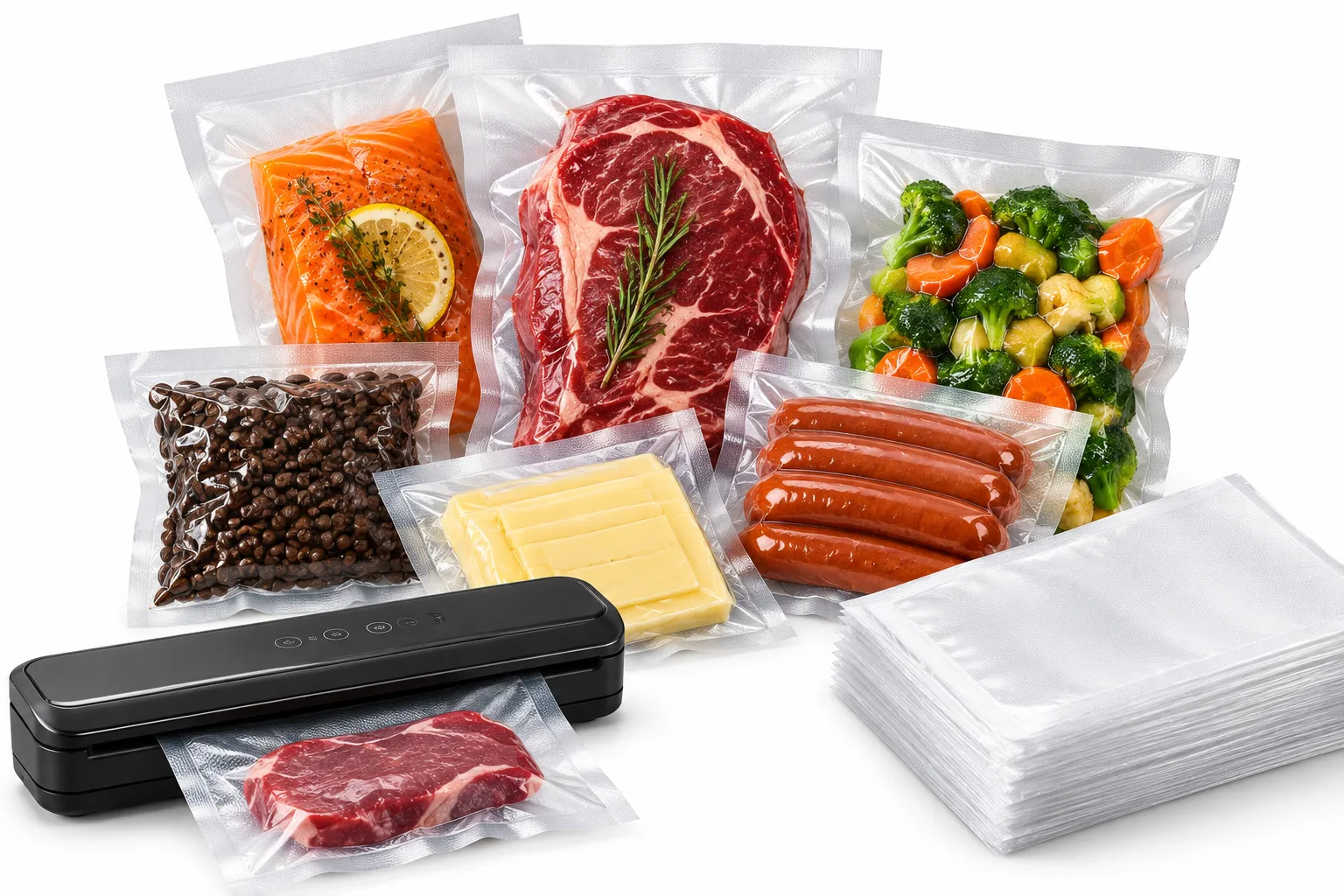
A vacuum sealed bag removes air from a package before sealing it shut. Less air means less oxygen touching your food or fabric, and oxygen is the main driver of spoilage, mold, and fading. Some bags use a hand pump or a countertop machine to pull the air out. Others use a one-way valve that lets air escape without letting any back in.
Why does this matter so much for storage? Oxygen feeds bacteria and mold. Moisture invites both. When a bag blocks these two things, food lasts longer in the freezer or pantry, and clothing or documents stay free of must and pests. Homeowners use vacuum sealed bags for bulk meat purchases, garden produce, seasonal clothing, camping gear, and even important paperwork that needs protection from humidity.
Not every bag on the shelf does this job well. Thin plastic bags let oxygen pass through the material itself, even with a tight seal. That is where barrier level starts to matter.
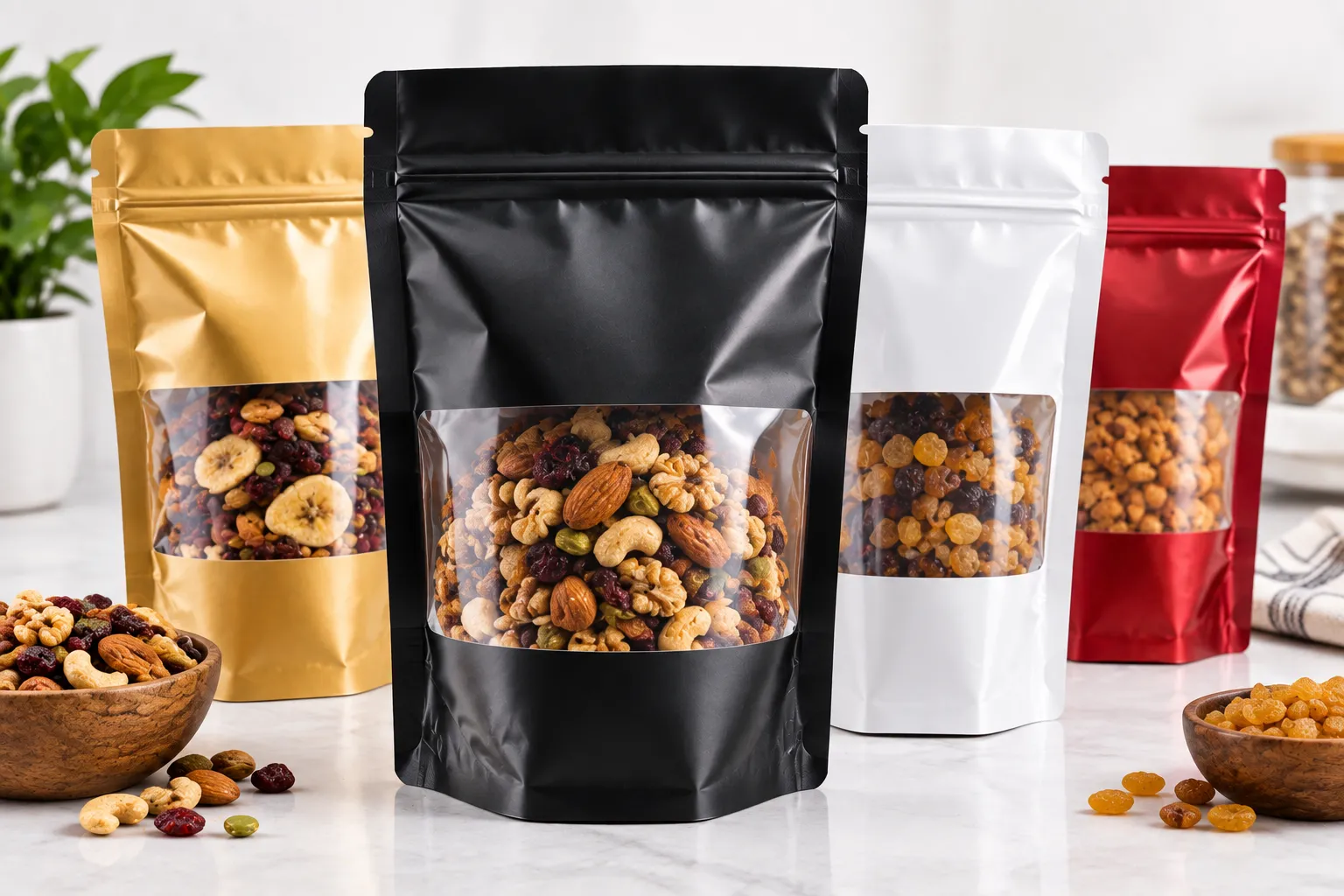
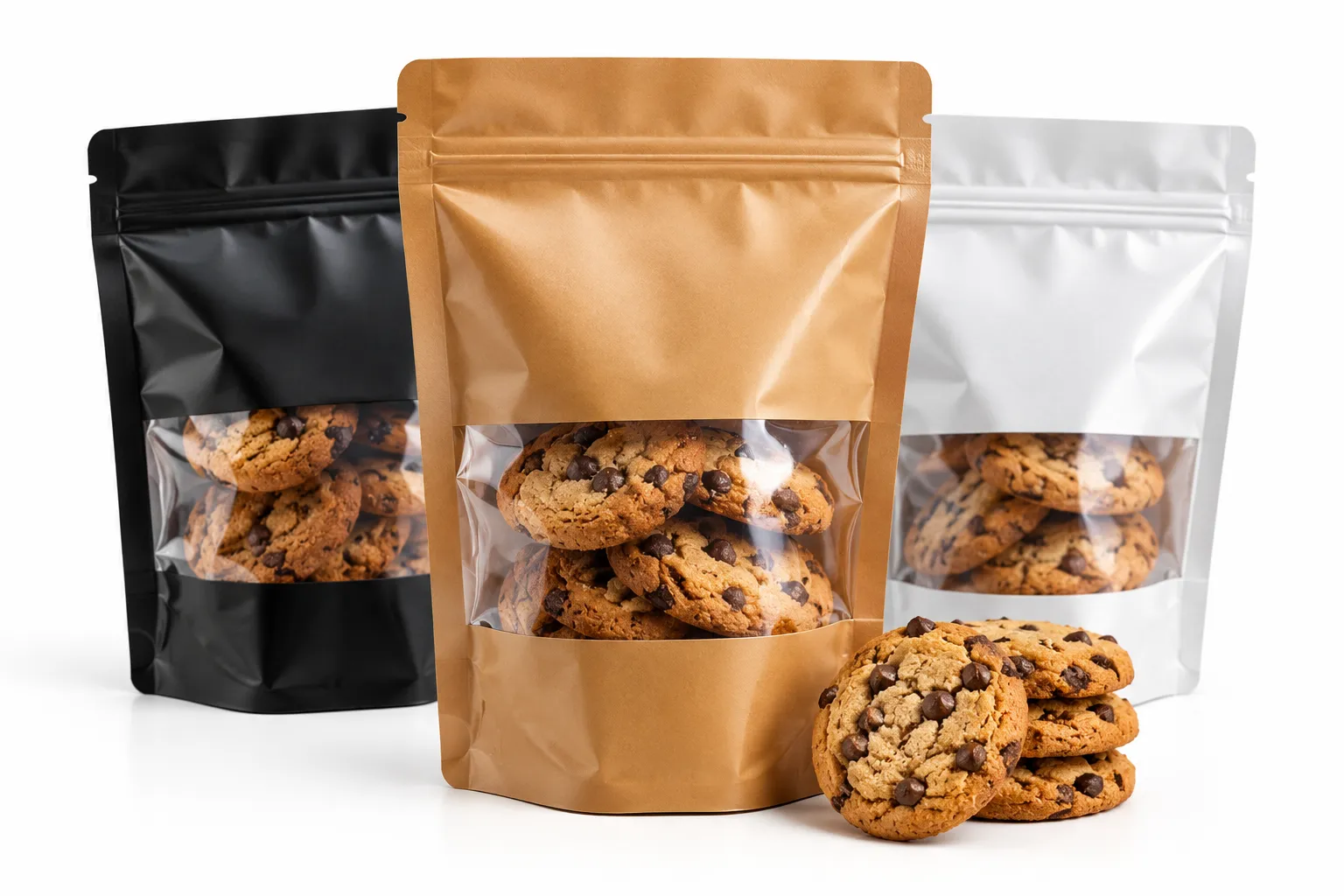
Here is the real question: does the material stop oxygen, or does it just look sealed? A standard poly bag might hold a vacuum for a day or two before air slowly seeps back in through the plastic itself. A high barrier bag, often built with a mylar or multi-layer laminate, blocks oxygen transfer almost completely and can hold a seal for months or years.
Local buyers looking for freezer storage, long-term food storage, or seasonal wardrobe rotation usually get better results with high barrier bags. Standard bags work fine for short-term use, like packing a lunch or storing snacks for a week.
|
Bag Type |
Avg. Cost (per bag) |
Barrier Rating |
Best For |
Typical Seal Life |
|
Standard poly bag |
$0.10–$0.25 |
Low |
Short-term snacks, lunches |
1–3 days |
|
Mylar/foil laminate |
$0.30–$0.90 |
High |
Long-term food storage, bulk grains |
1–5 years |
|
Embossed sous vide bag |
$0.20–$0.50 |
Medium-high |
Cooking, freezer meat |
3–6 months |
|
Clothing/space-saver bag |
$2–$6 (large size) |
Medium |
Seasonal clothing, bedding |
6–12 months |
A few numbers back this up. According to the USDA (2023), vacuum sealed food can last three to five times longer in the freezer compared with food stored in regular plastic bags or containers. A separate study cited by the FDA (2022) found that reducing oxygen exposure is one of the most effective ways to slow bacterial growth in stored food, second only to temperature control.
Picture the steps a contractor or a home cook goes through, and it looks a lot simpler than people expect. First, the item goes into the bag, leaving enough open space at the top for the machine or pump to grip. Second, a vacuum sealer or hand pump draws air out through a small opening or valve. Third, once the air is gone, a heat strip melts the plastic edges together, creating an airtight seal. For valve-style bags, this last step is skipped since the one-way valve holds the seal on its own.
Home vacuum sealing machines run anywhere from $40 for a basic model to $300 for a chamber sealer used by small food businesses. Hand pump bags cost less upfront but take more effort and rarely reach the same vacuum level as a machine.
One local pantry owner we spoke with, a food safety consultant based in the Midwest, put it simply: "The seal is only as good as the barrier material. I have seen people vacuum a bag perfectly and still get freezer burn six weeks later because the plastic itself let air through." That distinction between sealing technique and material quality trips up a lot of first-time buyers.
Several things push the price of vacuum sealed bags up or down. Bag size plays the biggest role, since a gallon-size bag costs more material than a quart-size one. Barrier thickness matters too. A thicker, multi-layer mylar bag costs more per unit than a single-layer poly bag, but it also lasts longer and protects better.
Buying in bulk brings the per-bag cost down significantly, often by 30 to 50 percent compared with small retail packs. Reusable bags with a zip-style valve cost more upfront but can be washed and reused dozens of times, which lowers the long-term cost per use. One-time-use bags cost less individually but need replacing after every seal.
Does climate affect cost too? In humid regions, buyers often choose thicker barrier bags to fight moisture, which raises the price slightly but reduces spoilage and waste over time. That trade-off usually pays for itself within a few uses.
Picking the right bag starts with the storage goal. Food storage calls for a high barrier, freezer-safe bag rated for the temperature range you plan to use. Clothing and bedding storage works better with a space-saver style bag that has a wide opening and a reliable valve, since these items get compressed rather than vacuumed to a tight seal.
A general-purpose bag from a big-box store handles occasional use fine, but a company that focuses specifically on high barrier bags, like Mylar Bags Pro, tends to test barrier ratings and seal strength more thoroughly than a generic supplier. That matters if you are storing food for months or protecting documents from long-term humidity damage.
Check the material specs before buying. Look for the oxygen transmission rate if it is listed, since a lower number means a better barrier. Confirm the bag is freezer-safe if that is your main use, and check whether it is reusable or single-use. Local regulations around food storage packaging, particularly for anyone reselling packaged food, often require materials that meet FDA food-contact safety standards, so confirm that certification before buying in bulk for commercial use.
A quick real-world example: a family storing a quarter of beef for winter found that switching from standard freezer bags to high barrier mylar-style bags cut their freezer burn losses from roughly 15 percent of the meat to almost none over a six-month period. That kind of result is common once the barrier material actually matches the storage timeline.
Choosing the right vacuum sealed bag comes down to matching the barrier level to the job. Food storage needs a strong barrier and a freezer-safe rating. Clothing storage needs a wide valve and enough flexibility to compress bulky items. Check the material, check the seal type, and buy in a size that fits how you actually store things.
If you want bags built specifically for long-term, high barrier storage, Mylar Bags Pro offers a range of sizes and can help you figure out which barrier level fits your storage timeline, whether that is a season or several years.
A vacuum sealed bag removes air before sealing, while a regular freezer bag just closes with air still inside. The removed air slows oxidation and freezer burn, so food stored in a vacuum sealed bag typically lasts three to five times longer than food in a standard freezer bag.
High barrier bags can keep frozen food fresh for one to five years, depending on the food type and freezer temperature. Dry goods like rice, beans, or pasta stored at room temperature in a high barrier bag can last even longer if kept away from light and heat.
Many vacuum sealed bags with a zip-style valve are reusable and can be washed and dried between uses. Bags sealed with a heat strip are typically single-use, since cutting them open to remove the contents destroys the seal.
Prices range from about $0.10 per bag for basic poly bags to $0.90 per bag for high barrier mylar-style bags, with clothing storage bags running $2 to $6 each for larger sizes. Buying in bulk usually lowers the per-bag cost by 30 to 50 percent.
Yes, hand pump bags and some valve-style bags work without an electric machine, though they usually do not reach as strong a vacuum as a countertop sealer. For long-term food storage, a machine-sealed high barrier bag generally holds up better over time.
Yes, as long as the bag is labeled freezer-safe and made from food-contact safe material. Look for compliance with FDA food-contact packaging standards, especially if the bags will be used to store food for resale or extended periods.
Soft, delicate items like bread or berries can get crushed under vacuum pressure, and some cheeses or mushrooms need airflow to avoid unwanted fermentation. For these items, a lighter compression or a container with a one-way valve works better than a full vacuum seal.
Check for a puffed-up or loose bag, since air returning to the bag is the clearest sign the seal has failed. A properly sealed bag stays tight against its contents with no visible air pockets forming over time.
Yes, removing air and compressing the bag makes it harder for moths, silverfish, and other pests to access stored fabric. This is one reason seasonal clothing and bedding stored in vacuum sealed bags tends to come out in better condition than items left in open bins.
Businesses that package and sell food using vacuum sealed bags generally need to follow local food safety regulations, which often require FDA-compliant, food-contact safe packaging materials. Checking with a local health department before selling vacuum sealed food products is a good first step.
Quart and gallon-size bags cover most family freezer needs, with quart bags suited to smaller portions like ground meat and gallon bags better for larger cuts or bulk vegetables. Buying an assortment of sizes usually works better than sticking to just one.
Yes, high barrier bags work well for protecting documents, photos, and important papers from humidity and pests during long-term storage. A silica gel packet added inside the bag before sealing can offer extra protection against moisture in humid climates