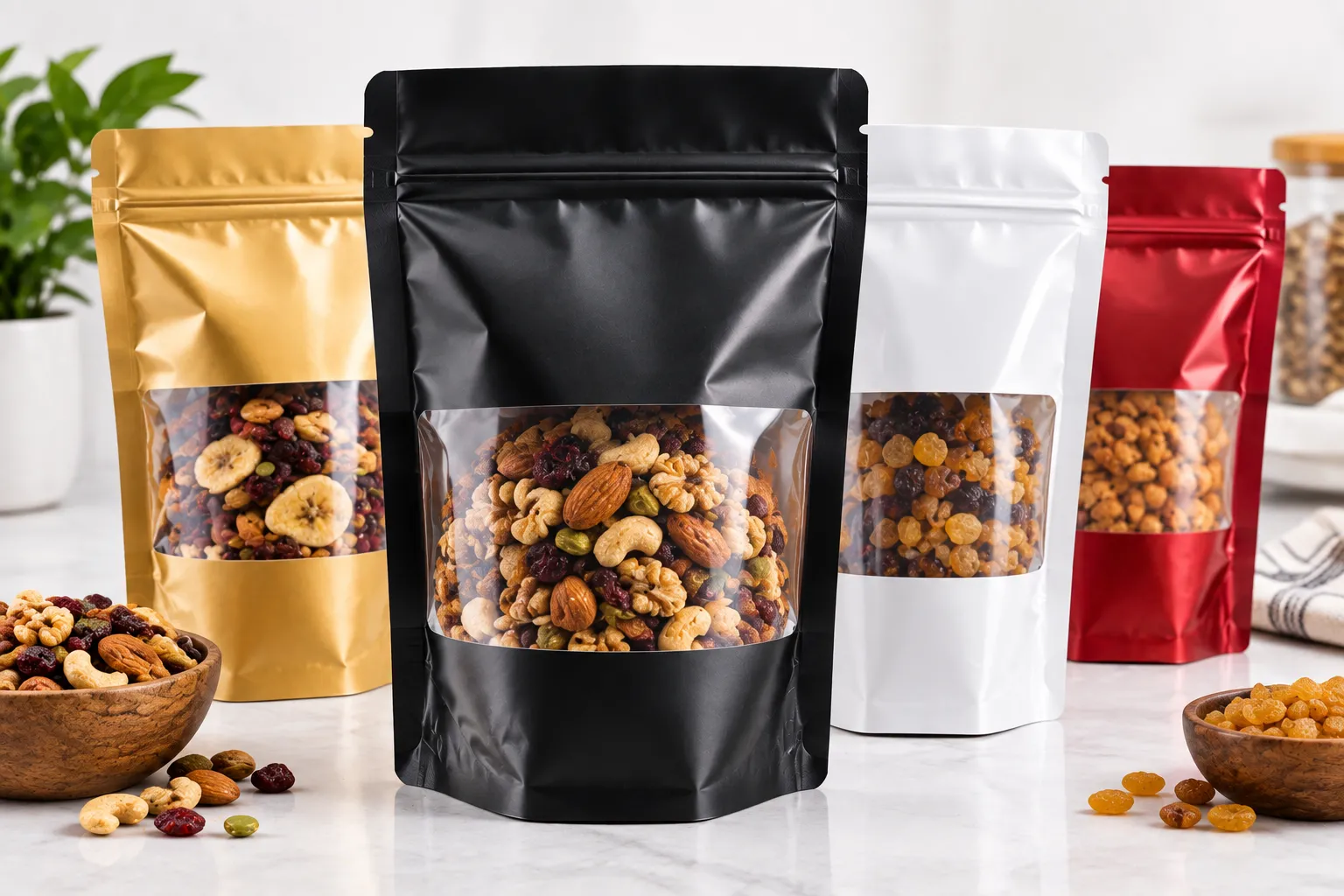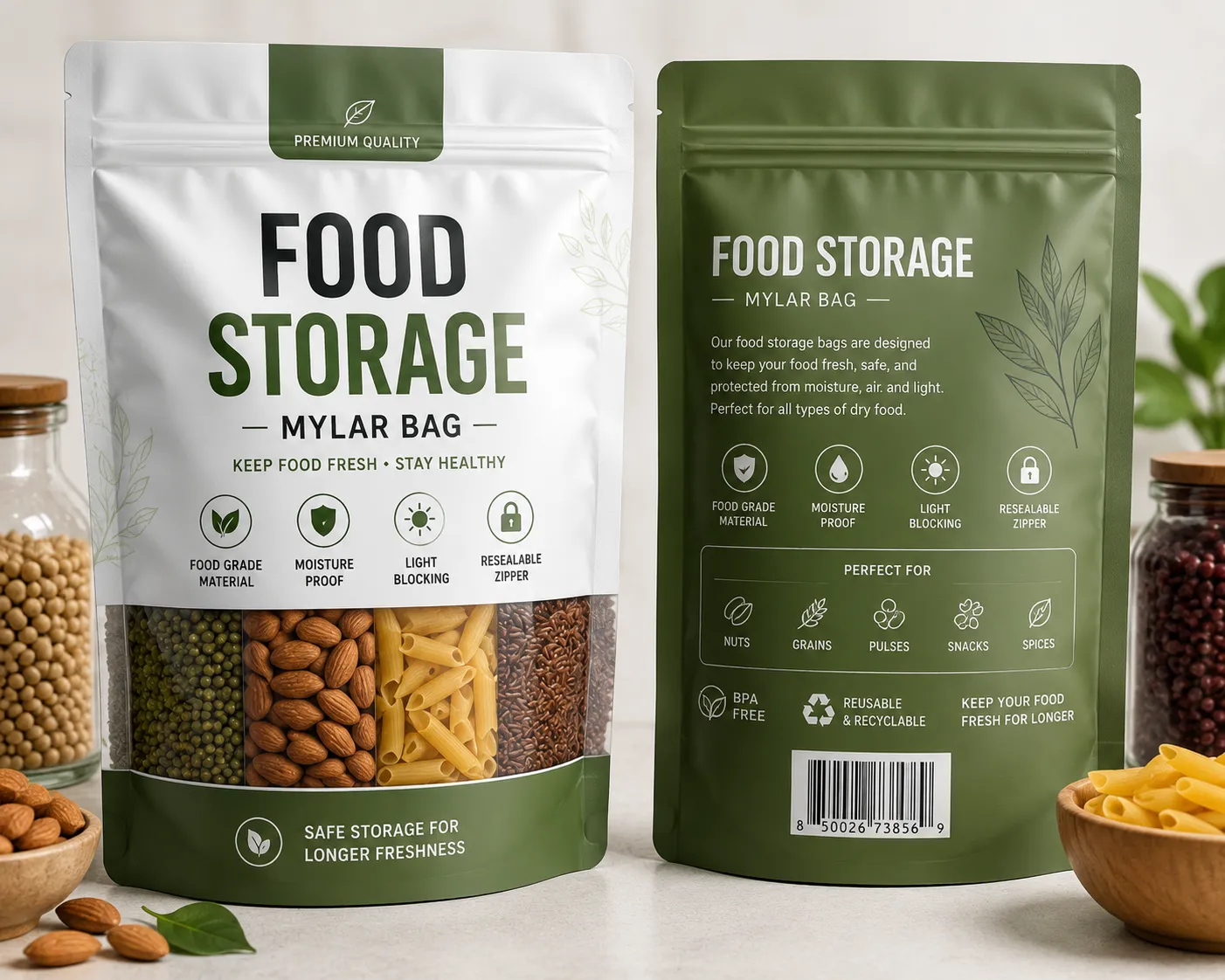
A five-gallon bucket of rice that goes buggy within a year is enough to put anyone off buying in bulk. Cardboard boxes let in moisture, plastic tubs trap condensation, and vacuum-sealed bags alone still leave enough oxygen behind to let food break down slowly.
A food storage mylar bag solves each of those problems at once by sealing food away from air, light, and pests inside a laminated pouch built specifically for the job. Mylar Bags Pro supplies these bags to home pantries, homesteaders, and emergency preparedness stockpiles that need food to last years rather than months.
This guide covers what separates a good mylar bag from a flimsy one, how the packing process actually works, what you should expect to spend, and how to pick a supplier that won't sell you undersized oxygen absorbers. Whether you're storing a few months of pantry staples or building a multi-year reserve, the details below change how long that food stays edible.
A mylar pouch isn't just heavy-duty plastic with a shiny coating. It's built from three layers: polyester on the outside for strength, a thin aluminum layer in the middle to block oxygen and light, and a heat-sealable polyethylene lining on the inside.
Why does blocking light matter as much as blocking air? Light degrades fats and vitamins even in a bag that's technically airtight, so a clear or semi-clear bag never performs the same as a fully opaque one. Mylar blocks close to all visible light, which is part of why a food storage mylar bag can carry dry staples like rice and wheat through multi-decade storage when sealed properly.
Packaging industry testing shows mylar's oxygen transmission rate runs up to 100 times lower than standard plastic packaging. According to data compiled from USDA and university extension food-preservation programs, dry goods such as wheat and rice sealed with a properly sized oxygen absorber can retain nutritional value and edibility for 25 to 30 years. That combination stops insect eggs from hatching and slows the oxidation that turns fat-containing foods rancid.
Thickness, measured in mil, is the first thing worth checking before buying in bulk. A 3-mil bag holds up fine for food used within a year, but long-term storage calls for 5- to 7-mil film that resists punctures from grain edges and rough handling in a garage or basement.
Zip-top or heat-seal, which is worth the extra cost? Zip-top stand-up pouches let you reseal after each use, though the zipper track lets in slightly more air over repeated openings than a fresh heat seal would. Heat-seal bags lock airtight for good once closed, which suits bulk portions you won't reopen until you're ready to use them.
Suppliers such as Mylar Bags Pro carry both formats in gallon and multi-gallon sizes, along with pre-cut bags sized for five-gallon buckets, the standard container most bulk pantry storage relies on.
|
Bag Type |
Avg. Cost |
Shelf Life (w/ absorber) |
Best For |
|
1-Gallon Zip-Top Pouch |
$0.20–$0.40 each |
3–5 years |
Staples reopened often |
|
1-Gallon Heat-Seal Pouch |
$0.15–$0.30 each |
10–20 years |
Rice, beans, wheat sealed once |
|
5-Gallon Bucket Liner |
$1.00–$2.00 each |
20–30 years |
Bulk long-term reserves |
|
Mylar Bag + Absorber Combo |
$0.30–$0.60 each |
20–30 years |
First-time bulk storage buyers |
Shelf life depends on the packing process just as much as the bag itself. A food-safety consultant who works with home-storage suppliers noted that most storage failures trace back to using the wrong absorber size or trapping air before sealing, not to a fault in the bag.
Six steps make the difference between a bag that lasts a few years and one that lasts decades:
A homesteader who switched from plastic buckets alone to mylar-lined buckets found that rice stored for two winters in an unheated shed showed no clumping or off smell. That hadn't held true the year before with bucket storage alone.
Bag size is the biggest factor in cost. A quart-size pouch costs a fraction of what a five-gallon bucket liner runs, so buying the right size for your rotation matters as much as buying quality film.
Thickness adds cost in a predictable way. 7-mil bags typically run 30 to 50 percent more than 3-mil versions, though the added puncture resistance often pays for itself the first time a bag survives a drop that would have torn thinner film.
Oxygen absorbers add only a few cents per bag in bulk, small next to the cost of replacing a batch of spoiled grain. Food-grade mylar sold for storage should meet FDA requirements for food-contact materials in the US, and home-storage guidance across the UK and Australia points to equivalent food-contact packaging standards. Checking for that certification before ordering in bulk is worth the extra minute.
What actually separates a reliable food storage mylar bag supplier from one just reselling generic pouches? Look for suppliers who list oxygen transmission rate, mil thickness, and food-grade certification on the product page rather than a stock photo and a price tag.
A supplier that focuses specifically on food storage packaging, the kind of work Mylar Bags Pro specializes in, will typically stock absorbers sized to match their bags and explain how many cc's a given pouch needs. General packaging wholesalers built around large industrial orders often leave that sizing guesswork to the buyer, and an undersized absorber is one of the most common reasons food spoils early.
Ask about minimum order size too. A supplier used to smaller households will work with orders in the dozens, while a distributor geared toward commercial buyers may require volumes better suited to a large operation.
A food storage mylar bag only performs as well as the thickness, seal, and oxygen absorber behind it. Getting those three details right turns a few months of shelf life into a decade or more, whether you're storing rice and beans or building a full emergency reserve.
If you're ready to move from buckets and clip-top bags to something built for years of storage, Mylar Bags Pro carries food-grade bags in sizes suited to single pantries and larger stockpiles alike, and can help you match absorber sizes to your bag choice.
Dry staples like rice, wheat, and beans sealed with an oxygen absorber typically last 20 to 30 years in cool, dark storage. Higher-fat foods such as nuts or oats have a shorter window, usually 5 to 10 years, since residual fat oxidizes slowly even with the oxygen removed.
One-gallon pouches suit most households, since they hold enough rice or beans for regular rotation without leaving a bag half-used for years. Larger households or bulk buyers often move to five-gallon bucket liners instead.
A sealed bag slows oxidation but some air always gets trapped during packing. An absorber pulls that trapped oxygen down to a fraction of a percent within hours, which is the real difference between food lasting a few years and lasting decades.
One-gallon bags typically run 15 to 40 cents each depending on thickness, with bucket-size liners costing $1 to $2. Pricing stays fairly close across the US, UK, and Australia once shipping is factored in, though buying from a local supplier usually beats importing bags from overseas.
Packing bulk staples yourself in mylar usually costs less per pound than pre-sealed emergency food buckets, though it takes an upfront investment in bags, absorbers, and a sealer. For occasional pantry use that math may not matter much; for anyone building a multi-year reserve, it typically does.
Reputable suppliers manufacture mylar to meet FDA food-contact standards in the US, and equivalent food-contact packaging regulations apply across Canada, South Africa, and other target markets. Confirming certification with a supplier before a bulk order removes any doubt, since labeling requirements shift slightly by country.
Sealed mylar performs well in humid regions because the aluminum layer blocks moisture as effectively as it blocks oxygen. The main risk in humid climates comes after a bag is opened, since food left exposed to damp air degrades faster once the seal is broken.
Zip-top bags can be resealed, though the zipper track lets in more air with each opening than a fresh heat seal would. Heat-sealed bags aren't designed to be reopened and resealed without an impulse sealer, so treat them as single-use once cut.
True mylar includes a polyester outer layer for strength alongside the aluminum barrier, while cheaper foil bags sometimes skip that layer to cut cost. Skipping it usually shows up as a bag that punctures easily or won't hold a full seal over time.
Refrigeration isn't necessary once food is properly sealed in mylar, and a cool closet or basement shelf works just as well. Foods with higher fat content, like oats or nuts, can benefit from cold storage if kept for many years