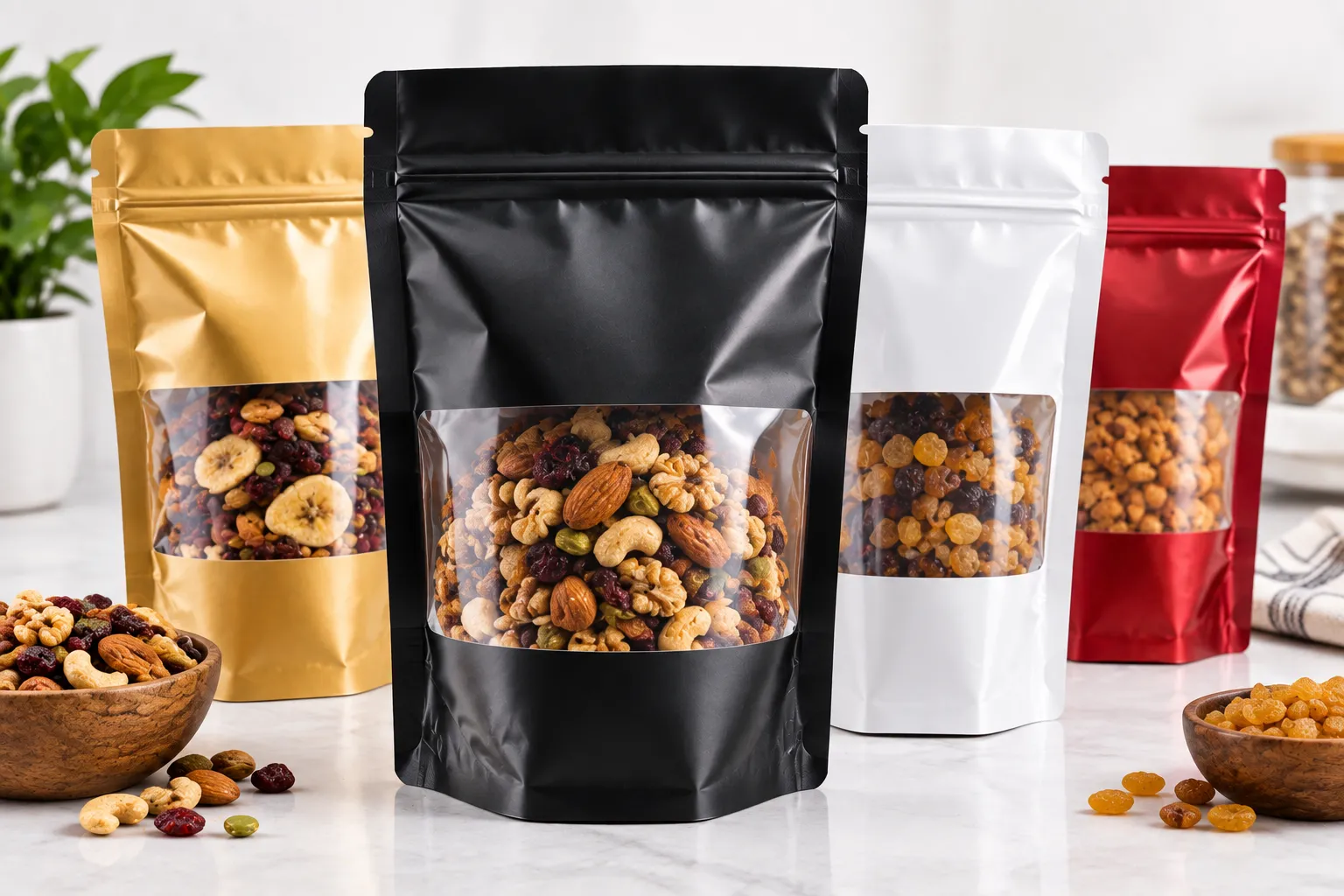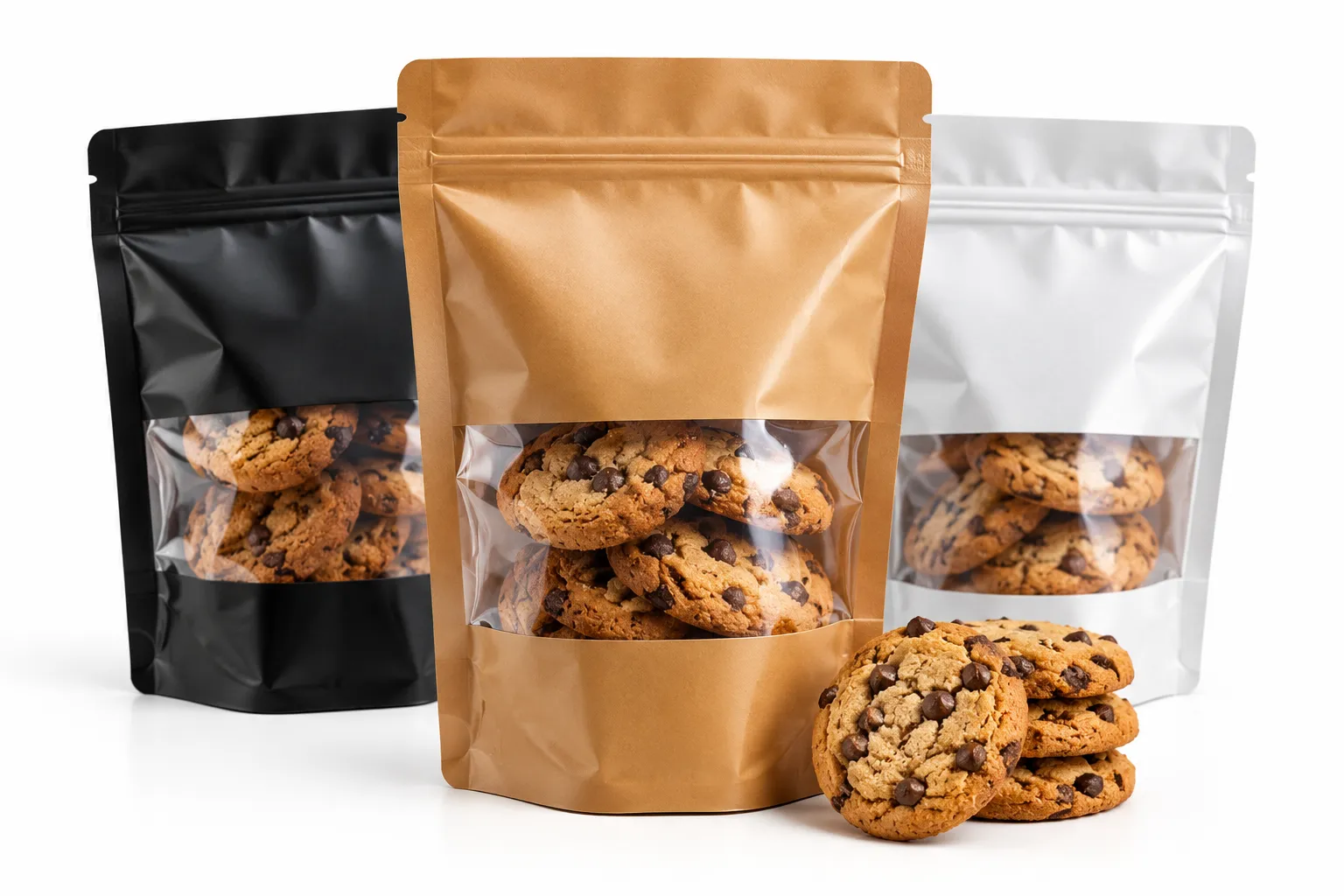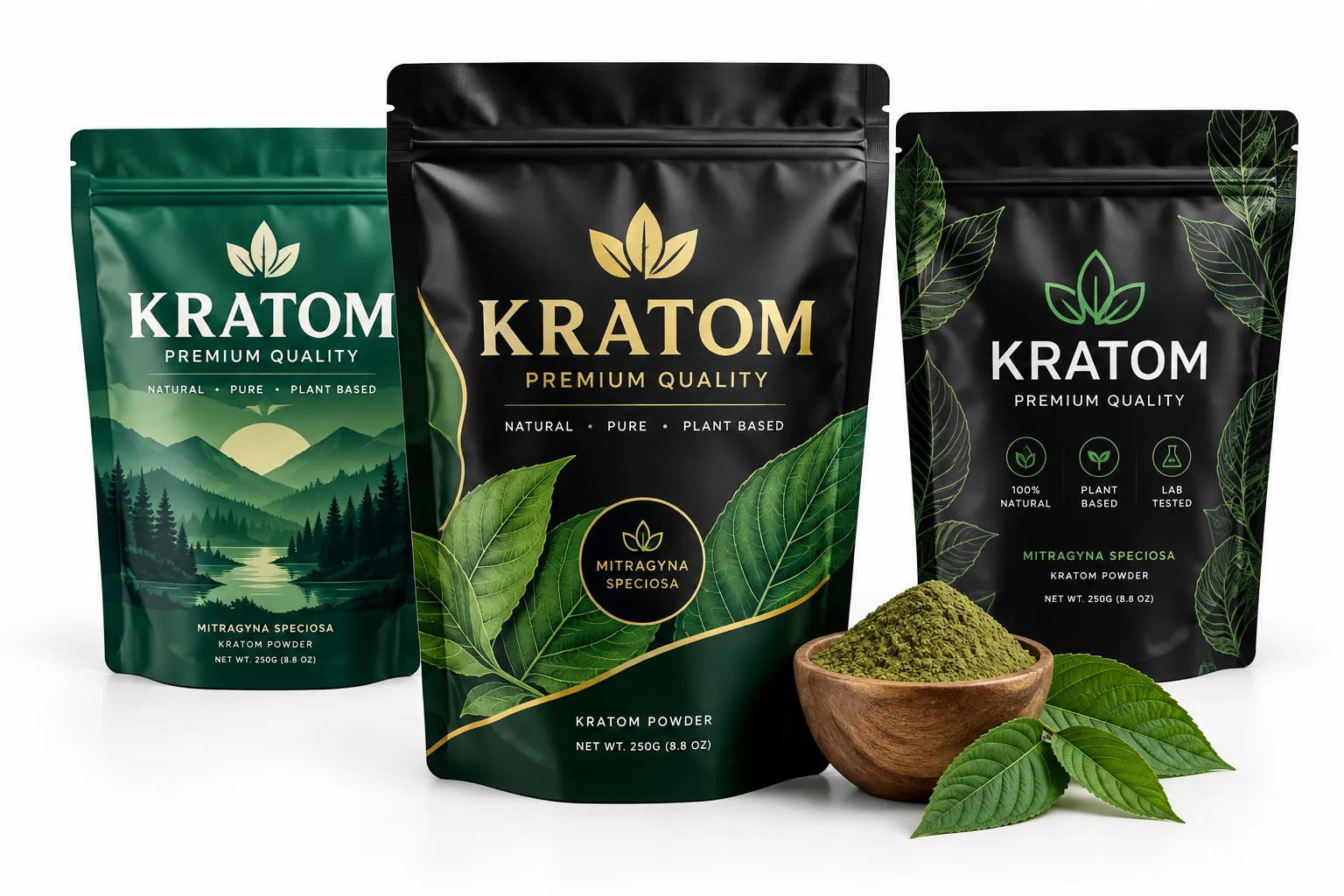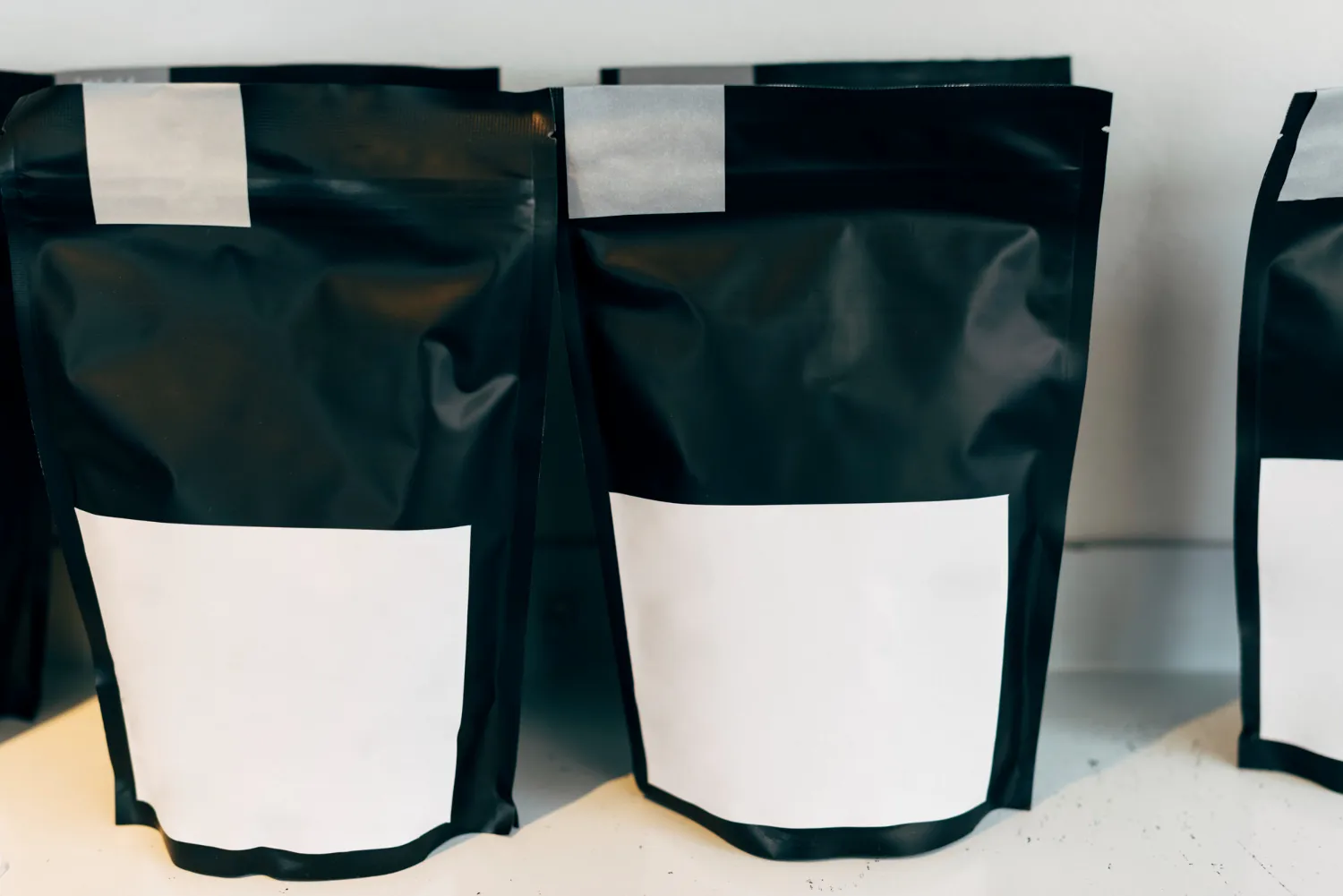
Products coming back damaged or stale costs more than the packaging ever would have. That single problem sends a lot of small brands searching for resealable Mylar bags in the first place, and it's the exact gap suppliers like Mylars Bags Pro have built their catalog around. A resealable Mylar bag combines a laminated barrier film with a reusable zipper, so your product stays fresh between the first opening and the last use. This guide covers the different types available, what drives the price, and how to pick a bag that matches what you're actually selling.
A Mylar bag is a multi-layer pouch built from polyester film (PET) laminated to a thin aluminum layer and a heat-sealable plastic inner layer. That structure blocks oxygen, moisture, and light far more effectively than a standard plastic bag, and a resealable zipper lets customers close it back up after each use.
Businesses selling coffee, dried herbs, pet treats, supplements, or cannabis products lean on Mylar because the barrier protects flavor and potency over time. Rolled oats and other dry goods sealed in Mylar with an oxygen absorber can hold their quality for 20 to 30 years under the right storage conditions, according to the University of Georgia Cooperative Extension. That kind of barrier performance matters even for products with a much shorter shelf life, since the same protection cuts down on staleness during weeks of warehouse and retail handling.
Picture a small coffee roastery that switched from twist-tie bags to a resealable Mylar pouch with a degassing valve. Customer complaints about stale beans dropped within two months, since the valve released roasting gases without letting oxygen back in, and the zipper kept unused beans fresh between brews.
Mil thickness is the first decision, and it drives both barrier strength and cost. A 3.5 mil bag suits short shelf-life retail items like snacks and small coffee bags. A 5 mil or thicker bag suits long-term storage products, since it resists pinholing during shipping and repeated folding.
|
Bag Type |
Mil Thickness |
Avg. Cost per Unit |
Best For |
Key Feature |
|
Standard resealable pouch |
3.5 mil |
$0.15–$0.35 |
Snacks, retail coffee, spices |
Basic barrier, printed zipper |
|
Long-term storage bag |
5–7 mil |
$0.40–$0.75 |
Bulk grains, freeze-dried goods |
High puncture resistance |
|
Child-resistant Mylar bag |
4–5 mil |
$0.50–$0.90 |
Edibles, cannabis, supplements |
CPSC-compliant closure |
|
Degassing valve pouch |
4–5 mil |
$0.45–$0.80 |
Fresh-roasted coffee |
One-way valve releases gas |
A bag rated for long-term storage costs more per unit, but it holds up better through freight and repeated handling than a thinner retail-grade bag. Which matters more for your product: shelf appeal on a store rack, or surviving a cross-country shipment intact?
Most suppliers walk new customers through a similar process, even when the exact steps vary by order size.
First, you confirm what you're packaging and how long it needs to stay fresh. A supplement brand shipping product that sits in a warehouse for months needs a thicker barrier than a bakery selling cookies within a week. Dana Whitfield, a packaging consultant who works with food and supplement brands in the US, says clients who skip this step often over-pay for barrier strength they don't actually need.
Next comes size and printing. Standard stock sizes cover most needs, though custom dimensions and full-color printing are available once order volume clears a supplier's minimum, often 500 to 1,000 units. A clear front window adds a small per-unit cost but lets customers see the product before buying.
Finally, businesses selling regulated products confirm compliance requirements before finalizing artwork. Any bag holding food needs to meet FDA food-contact material standards under 21 CFR, and any bag holding cannabis edibles or certain supplements in the US needs a child-resistant closure that meets Consumer Product Safety Commission standards under the Poison Prevention Packaging Act.
Price depends on mil thickness, order volume, and how much printing you need. A plain, unprinted 3.5 mil bag can run as low as $0.15 per unit at bulk volume, while a custom-printed, child-resistant bag in the same run size can climb past $0.75 per unit.
Order size changes the math significantly. Suppliers typically drop per-unit price at breakpoints around 1,000, 5,000, and 10,000 units, so a business ordering just above a breakpoint often pays less per bag than one ordering just below it. Tooling and plate costs for custom printing get spread across the full run, so larger orders absorb that setup cost more efficiently than small ones.
Add-ons raise the price too. A degassing valve, a resealable zipper upgrade, or a matte finish each add a few cents per unit, and those additions compound quickly across a large order. A business ordering 10,000 units with three add-ons should expect a noticeably higher per-unit price than the base bag alone.
Choosing the right supplier for Resealable Mylar Bags starts with checking their certifications. Ask for documentation confirming FDA food-contact compliance if you're packaging edible products, and request CPSC child-resistant testing results if your packaging requires that type of closure. A supplier that cannot provide these documents may not be the right choice for your business.
You should also ask about minimum order quantities and lead times. Some Resealable Mylar Bags suppliers are ideal for startups needing only a few hundred units, while others are better suited for high-volume production and may not offer competitive pricing for smaller orders.
A packaging specialist is often a better choice than a general print shop. Suppliers that focus specifically on Resealable Mylar Bags and stand-up pouches usually have deeper expertise in barrier protection, zipper quality, valve placement, and child-resistant packaging requirements. Mylars Bags Pro is one example of a supplier specializing in this niche, making it easier to meet quality and compliance standards.
Before placing a large order, ask for physical samples. Testing Resealable Mylar Bags in person allows you to evaluate the zipper seal, material quality, and barrier performance before committing your brand to a full production run.
Mylar combines polyester film with a thin aluminum layer, which blocks oxygen, moisture, and light far more effectively than single-layer plastic, extending shelf life for dry and sensitive products.
Unprinted standard bags start around $0.15 to $0.35 per unit at bulk volume, while custom-printed or child-resistant bags typically run $0.50 to $0.90 per unit depending on features.
Any bag holding food or supplements needs to meet FDA food-contact material standards under 21 CFR, so ask your supplier for documentation before finalizing an order.
Most fresh-roasted coffee bags use 4 to 5 mil film paired with a degassing valve, which lets roasting gases escape without letting oxygen back into the bag.
Yes. In the US, child-resistant packaging for cannabis edibles and certain regulated products needs to meet Consumer Product Safety Commission standards under the Poison Prevention Packaging Act.
Dry goods sealed with an oxygen absorber can last 20 to 30 years in ideal storage conditions, though shorter shelf-life products like fresh coffee typically stay at peak quality for weeks rather than years.
Most suppliers set custom printing minimums between 500 and 1,000 units, since plate and setup costs need a large enough run to spread across.
Yes, a clear front window is a common add-on that lets customers see the product before purchase, though it adds a small per-unit cost compared to a fully opaque bag.
Properly sealed Mylar resists moisture transmission far better than standard plastic, making it a strong choice for businesses shipping to humid regions where product clumping or spoilage is a bigger risk.
A zipper closure lets customers reopen and reseal the bag after purchase, while a heat seal is permanent and works best for single-use portions or products that don't need repeated access.
The barrier film is the same, though pet treat bags often skip FDA food-contact certification unless the product also meets human food-grade standards, so check labeling requirements for your specific product.
Match the thickness to how long the product needs to stay fresh and how it will be shipped. Thin bags suit quick retail turnover, while thicker bags suit long-term storage or rough handling during freight.
Picking the right resealable Mylar bag comes down to matching mil thickness and closure type to what you're actually selling and how it travels to the customer. Start with your shelf-life need, confirm any compliance requirements your product falls under, and request samples before committing to a full print run. If you want a supplier that focuses on resealable pouch formats rather than general print work, reach out to Mylars Bags Pro and ask about sample options for your product line