Mylars Bags Pro fields the same question from small brands every week: which kraft pillow box actually fits their product, without guessing and reordering later. Picking the wrong size or paper weight wastes money fast, since a box that's too big leaves your item rattling around and a box that's too thin dents before it reaches the customer.
Why do so many brands land on kraft pillow boxes in the first place? The curved shape holds a product snug without tape or inserts in most cases, and the natural brown or white kraft surface prints cleanly for a clean, branded look. That combination works for jewelry, soap, candles, small food items, and gift sets alike.
This guide breaks down the paper weights and finishes worth comparing, walks through how a typical order gets produced, covers what actually drives the price, and gives you a way to pick a supplier who won't leave you stuck with the wrong box size.
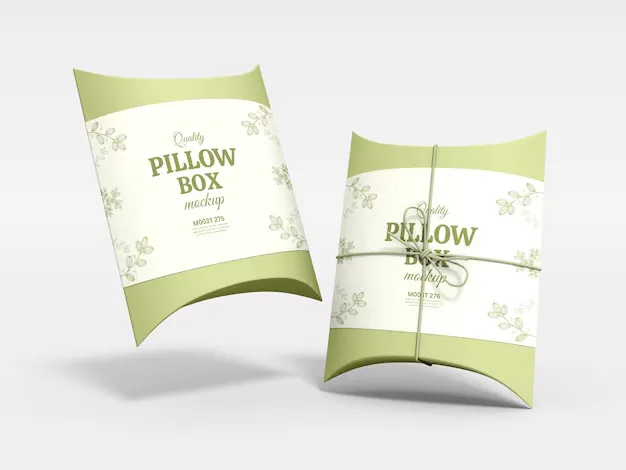
A pillow box gets its name from its curved, cushion-like shape, which forms when the two short ends are tucked and locked without glue. That construction makes kraft pillow boxes fast to assemble by hand, a real advantage for small teams packing orders themselves.
Consumer habits back up why kraft has become the default choice for this shape. According to Two Sides North America's 2025 Trend Tracker, 67% of consumers prefer paper packaging specifically because it's compostable or biodegradable. Shorr Packaging's 2025 Sustainable Packaging Consumer Report found that 90% of shoppers say they're more likely to buy from a brand whose packaging looks eco-friendly, and 54% had deliberately chosen a sustainably packaged product in the prior six months.
That shift matters for anyone selling gift items, candles, or bath and body products, where the box itself often gets photographed and shared before the product is even used. Choosing kraft pillow boxes plays directly into that behavior, since the material signals a lower-impact choice at a glance.
Not every kraft pillow box needs the same paper weight or finish, and getting this wrong is the most common reason brands reorder within a few months.
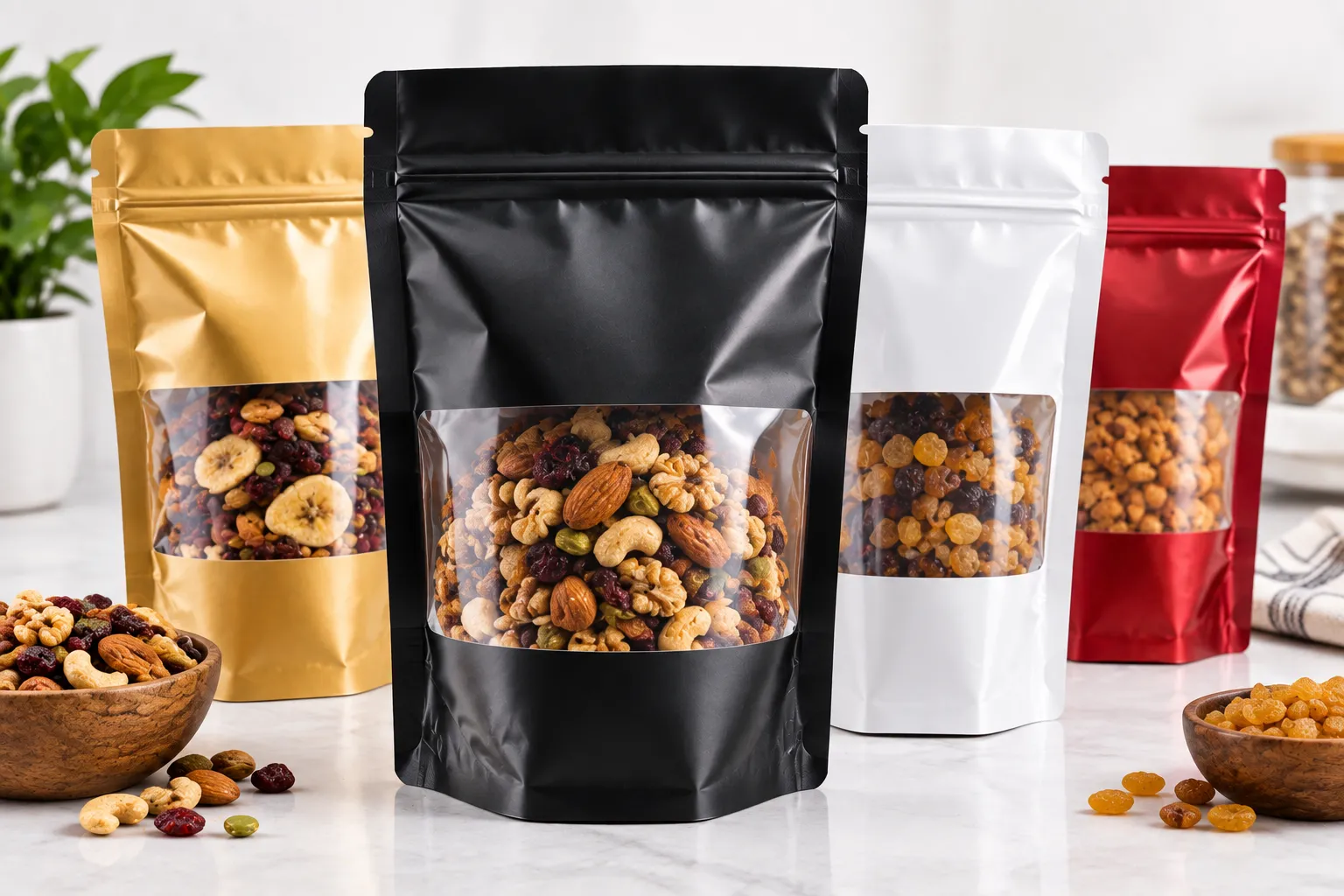
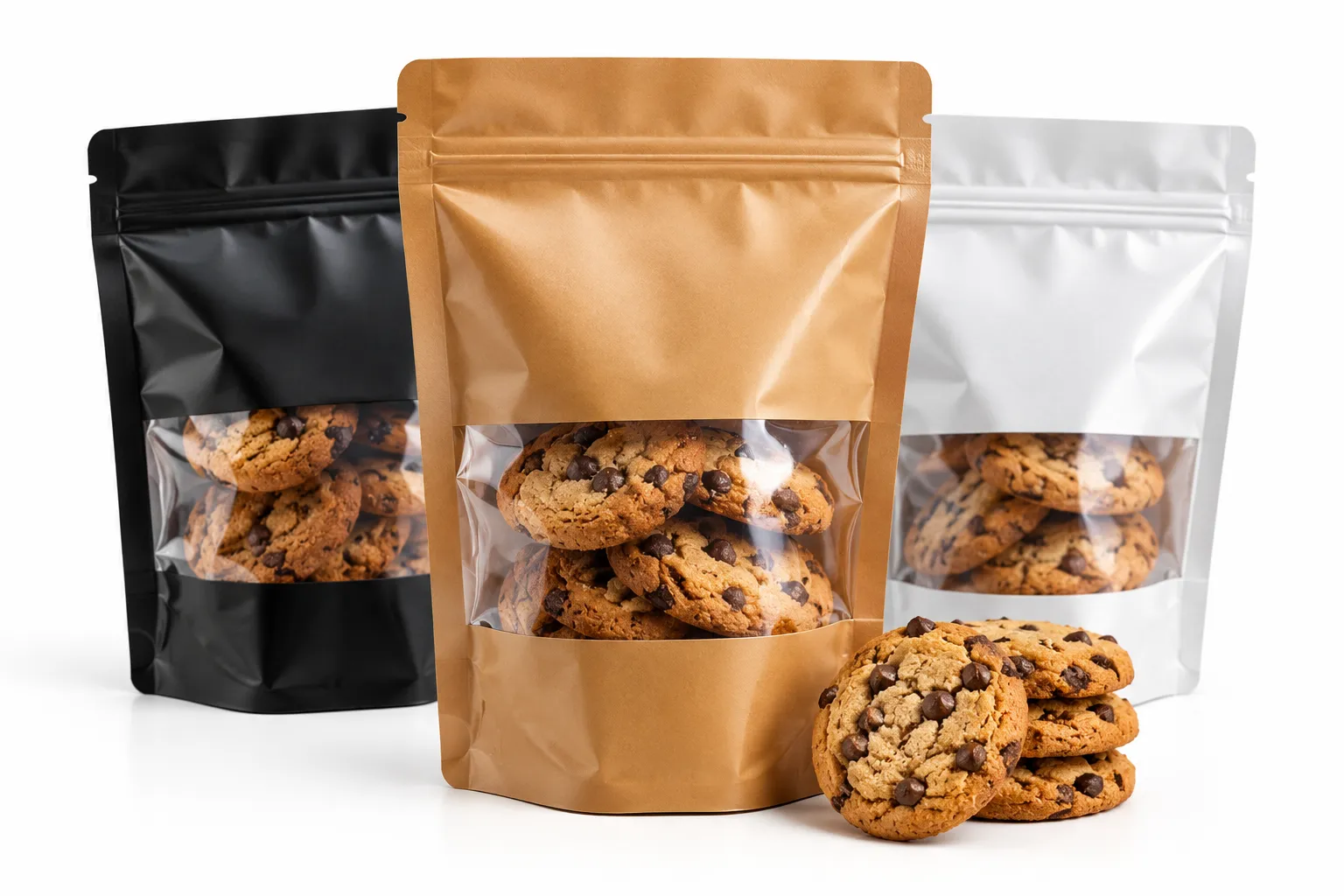
Lightweight kraft, typically around 250 to 300 gsm, works fine for soft items like soap bars or small candles that don't need rigid support. Mid-weight kraft in the 350 to 400 gsm range holds shape under light stacking, making it a solid default for jewelry, cosmetics, or small food gifts. Heavier kraft above 400 gsm resists crushing during shipping, which matters more for e-commerce orders than for in-store pickup. A clear PVC or acetate window cut into any of these weights lets the product show through without opening the box.
Ask yourself this: will your box sit on a shelf, or will it travel through a courier network first? That single question usually settles the weight decision on its own.
|
Paper Weight |
Avg. Cost (per 100) |
Rigidity |
Best For |
Shipping Durability |
|
250–300 gsm kraft |
35–55 |
Light |
Soap, small candles, in-store gifts |
Fair |
|
350–400 gsm kraft |
55–80 |
Medium |
Jewelry, cosmetics, food gifts |
Good |
|
400+ gsm kraft |
75–110 |
Firm |
E-commerce shipping, subscription boxes |
Excellent |
|
Window-cut kraft (any weight) |
65–100 |
Varies by base |
Products where visibility drives sales |
Good to excellent |
Brands working with suppliers like Mylars Bags Pro that focus on small-format kraft packaging usually land on the mid-weight option first, then move up only if returns data shows shipping damage, rather than over-ordering thicker stock they don't actually need.
Ordering kraft pillow boxes runs through a predictable sequence, though how fast it moves depends on how ready your artwork is.
You start by sending a logo or design file, which the supplier converts into a print-ready proof sized to your product. Next comes weight and finish selection based on how the box will be handled, whether that's hand-delivered locally or shipped nationwide. Once you sign off on a physical or digital proof, most suppliers run a short test batch so you can check ink coverage and fold accuracy before the full run prints. Full production, die-cutting, and folding follow, then quality checks and shipping to your location.
A first order with ready artwork typically takes two to three weeks from proof approval to delivery. Custom die-cut window shapes or foil stamping usually add another week to that timeline.
A few factors move pricing more than most first-time buyers expect, and knowing them ahead of time keeps the first invoice from being a surprise.
Order volume has the largest effect, with unit cost often dropping 30% to 45% between a 250-box run and a 2,500-box run. Paper weight and any window cut both add material and tooling cost. Print complexity matters too — single-color kraft print stays cheap, while full-color coverage or foil accents push the price up noticeably.
A realistic starting budget for a small brand's first kraft pillow box order sits between $60 and $150 for 250 to 500 boxes in one or two colors, before shipping.
Picking a supplier for kraft pillow boxes takes a bit more digging than comparing prices on the first page of search results.
Confirm the kraft stock is food-safe if your product is edible, and ask whether it meets applicable food-contact packaging standards for your market — FDA regulations under 21 CFR in the United States, or the matching food-contact certification in the UK, Canada, or Australia. A supplier who can't answer clearly is one to skip for anything edible.
A packaging consultant who has spent close to a decade working with small consumer brands put it directly: sellers who order the cheapest, thinnest kraft stock almost always spend more in the long run replacing crushed or bent boxes. That's the real difference between a specialist supplier and a generic print shop. A supplier who works regularly with small-format packaging — such as Mylars Bags Pro — will already know which paper weight holds up for your specific product category, which window materials stay clear without yellowing, and which minimum order sizes actually make sense for a small or growing brand.
Check that the minimum order quantity matches your real sales volume, ask for a physical proof before the full run, and get a written turnaround estimate instead of a vague promise.
If your product's first impression comes from the box it ships in, that decision deserves the same care you put into the product itself. When you're ready to move past generic packaging, reach out to Mylars Bags Pro for a quote and ask which paper weight fits your product and order size. A short conversation about your volume and shipping method is usually enough to land on the right box without overpaying for stock you don't need.
Most are made from unbleached or bleached kraft paperboard, ranging from lightweight stock around 250 gsm to heavier options above 400 gsm depending on how much support the product needs.
Pricing typically runs $35 to $110 per 100 boxes depending on paper weight, print complexity, and features like a window cut. Larger orders bring the per-unit cost down significantly.
Yes, in most regions kraft paperboard without a plastic laminate is both recyclable and biodegradable, which is part of why the material has become a common choice for eco-conscious brands.
Yes, if the product inside is edible. The box needs to meet food-contact packaging standards for your country, such as FDA 21 CFR compliance in the United States or the equivalent UK and Canadian standards.
Standard turnaround runs two to three weeks with ready artwork. Custom window die-cuts or foil stamping typically add another week to that timeline.
Many suppliers offer minimum orders starting around 100 to 250 units, which fits a small shop or a brand still testing product-market fit without a bulk commitment.
Kraft boxes use the natural brown paperboard finish, while white pillow boxes use bleached stock for a cleaner, brighter background that some brands prefer for bold color print.
Heavier kraft stock above 400 gsm holds up well for shipping and courier handling. Lighter kraft under 300 gsm suits local pickup or in-store gifting better than long-distance transit.
Single-color and two-color spot printing show up cleanly on natural kraft, while full-color digital print works best with a white base coat applied first for accurate color reproduction.
Match the box to your product's actual dimensions with a small amount of room, not a snug fit. A supplier can recommend standard sizes once you share sample measurements.
Water-based inks, soy-based coatings, and uncoated kraft stock without lamination are common eco-friendly choices, and most keep the box fully recyclable and compostable.
Send your logo or artwork file, product dimensions, expected order volume, and any required features like a window cut, so the supplier can quote accurately on the first pass