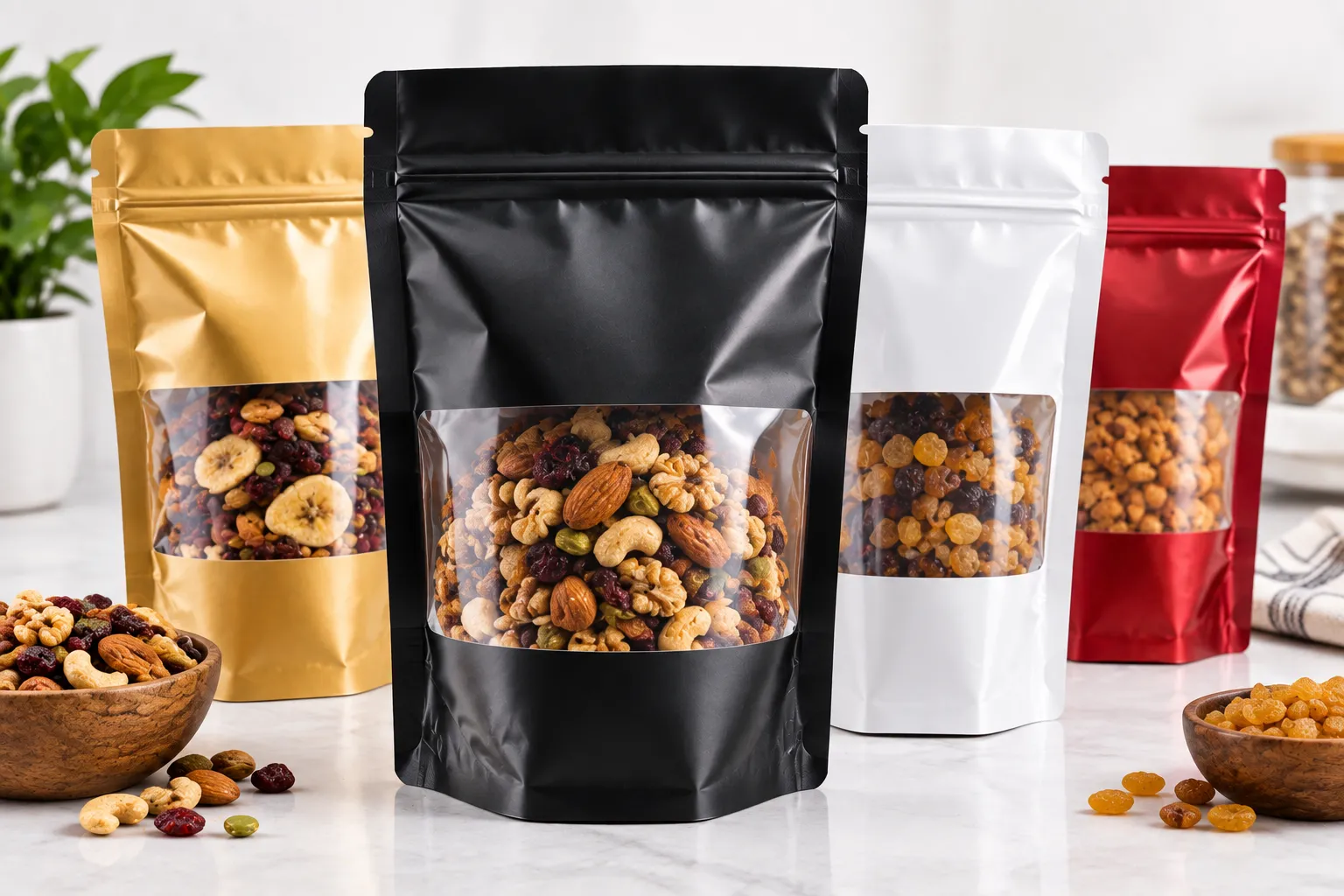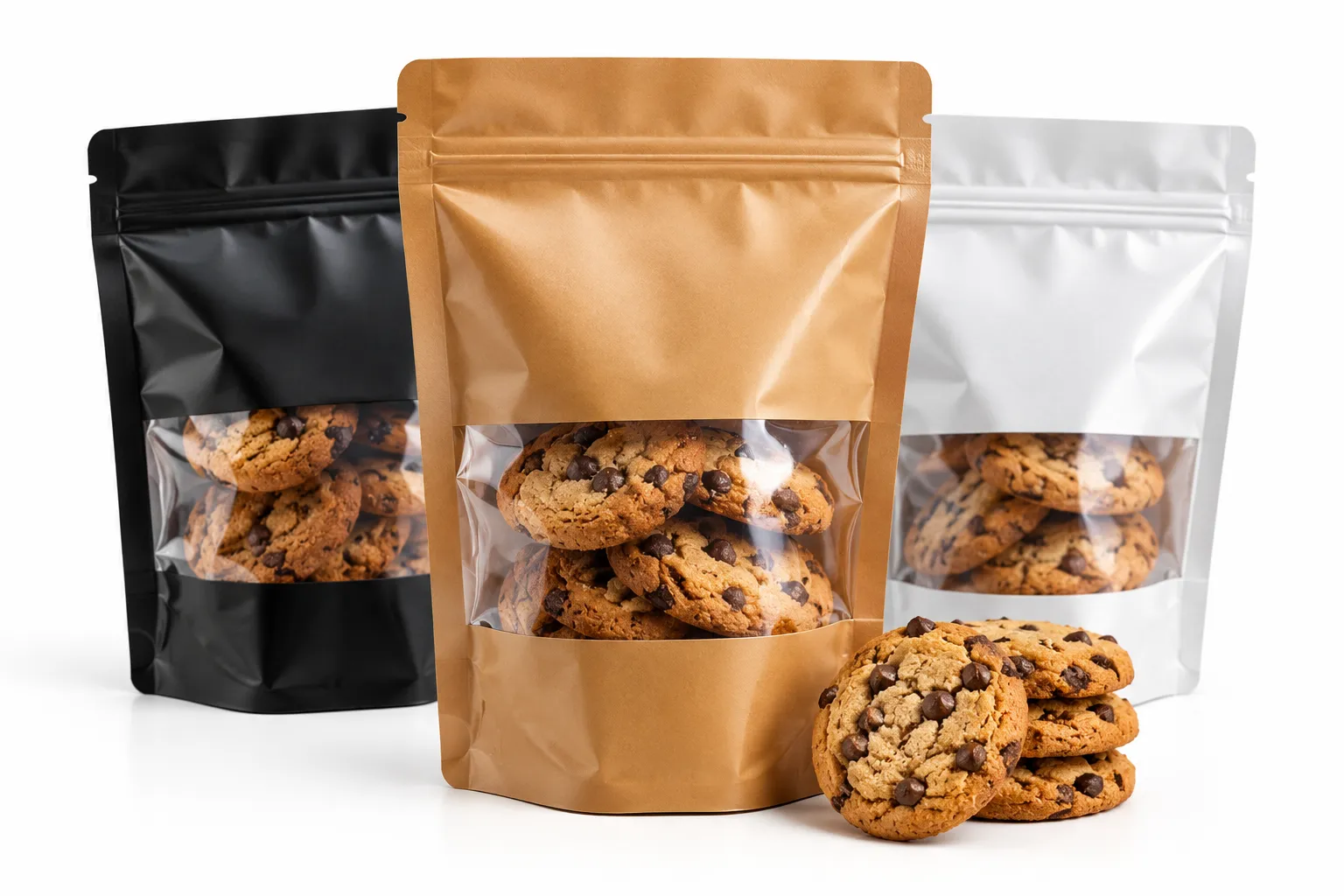
Mylar Bags Pro works with brands that need mylar bags wholesale in bulk, whether the order is for coffee, supplements, pet treats, or dry food. A supplement company shipping to fifty stores can't rely on packaging that tears in transit or lets moisture ruin a product before it reaches the shelf. Mylar solves that problem. The material blends layers of polyester, foil, and food-safe film into one pouch that keeps air, light, and moisture out. For a business scaling past small local runs, wholesale mylar
cuts per-unit cost and keeps every batch consistent. This guide walks through the material options, the order process, what drives the cost, and how to pick a supplier who won't leave you waiting on a shipment.
Small brands often start with retail packaging bought in boxes of a hundred. That works for a farmers market booth. It stops working once orders reach a few thousand units a month.
Wholesale mylar bags exist for exactly that jump. Buying in bulk drops the cost per bag, and it locks in the same barrier quality on every unit instead of a mix of leftover stock.
Coffee roasters, supplement brands, spice companies, and pet food makers turn to mylar because the material blocks oxygen, light, and moisture better than plain plastic or paper. A bag of ground coffee in a thin poly pouch goes stale in weeks. The same coffee in a proper mylar pouch with a one-way valve holds its flavor for months.
Companies like Mylar Bags Pro that focus on custom packaging runs for food and consumer brands see this pattern across categories: a client switches from generic bags to wholesale mylar and their return rate on damaged or spoiled shipments drops within the first two orders. Does your current packaging survive a cross-country freight run without a single tear? If the answer is no, the material is worth a second look.
Not every mylar pouch is built the same way. The layer structure changes what the bag can protect and how long a product stays fresh inside it.
Standard food-grade mylar uses three to five layers: an outer polyester film for print quality and puncture resistance, a middle foil or metallized layer for the oxygen and moisture barrier, and an inner heat-seal layer that keeps the bag food-safe. According to the Food Safety and Inspection Service, all packaging that touches food directly must meet FDA standards under the Federal Food, Drug and Cosmetic Act, and the film layers used in mylar pouches fall under CFR Title 21, Part 177 (FSIS, 2024).
Thickness matters as much as layer count. A thin single-layer pouch works fine for dry goods with a short shelf life, like a spice blend sold within a season. A heavier multi-layer bag with a full foil barrier suits products that need to last a year or more on a shelf, such as freeze-dried meals or long-term food storage.
Here's how the main options stack up:
| Material Type | Layer Structure | Best For | Typical Shelf Life |
|---|---|---|---|
| Single-layer PET | One polyester layer | Short-shelf dry goods (spices, tea) | 3–6 months |
| Metallized PET | PET + metallized barrier | Coffee, snack foods | 6–12 months |
| Foil-laminate | PET + aluminum foil + PE | Supplements, pet food, long-term storage | 1–5 years |
| Child-resistant laminate | Multi-layer + CR closure | Cannabis edibles, regulated products | 1–2 years |
Placing a wholesale mylar order looks different from a small retail buy. Knowing each stage in advance keeps a first-time order from turning into a guessing game.
Most suppliers start with a product brief: what goes inside the bag, the required shelf life, and any regulatory needs like child-resistant closures. From there, a packaging engineer who works on flexible pouches reviews the film structure against the product's fat content and moisture level. A greasy snack and a dry supplement need different inner layers, and a good supplier catches that before printing starts.
Next comes the proof stage. A supplier sends a printed sample or digital mockup for approval before running the full batch. Skipping this step is where most reprint headaches start.
Once the design is locked, the supplier runs the print job, laminates the film layers, and forms the bags, whether flat-bottom, stand-up pouch, or side-gusset. A short quality check follows: seal strength, print alignment, and barrier integrity get tested on a sample batch before the full order ships.
Turnaround for a wholesale run typically spans two to four weeks from approved proof to shipment, longer for custom die-cut shapes or specialty finishes like matte soft-touch film. Building that lead time into a launch calendar avoids a last-minute scramble for stock.
A handful of factors decide what a wholesale mylar order runs a business, and knowing them ahead of a quote request makes budgeting easier.
Order volume sits at the top of the list. Per-unit cost drops fast between a 1,000-unit run and a 10,000-unit run, since the setup cost for printing plates and film gets spread across more bags. Film thickness and layer count matter too: a basic metallized pouch costs less to produce than a full foil-laminate bag with a child-resistant zipper.
Print complexity plays a role too. A single-color print on a stock pouch shape runs cheaper than a full-color custom design with a die-cut window or a matte finish. Added features, such as a one-way degassing valve for coffee or a tear notch for easy opening, add a small amount per unit but often pay for themselves in fewer customer complaints.
A supplement brand ordering its first 5,000-unit run should expect a per-unit rate that drops again once volume climbs past 10,000 units. Getting a written quote broken down by these factors, rather than one flat number, makes it easier to compare suppliers on equal terms.
Picking a supplier matters as much as picking the material. A wrong choice here costs more in reprints and delays than any saved amount on the unit price.
Start with proof of FDA compliance. Ask for documentation showing the film layers meet food-contact standards rather than taking a supplier's word for it. A reliable partner provides this without hesitation.
Turnaround time deserves the same scrutiny. Some general printing shops handle mylar as a side product alongside dozens of other packaging types, which often means longer queues and less familiarity with barrier film quirks. A specialist that works exclusively with flexible pouches, like Mylar Bags Pro, has typically handled the child-resistant closure rules, the print registration issues specific to foil layers, and the minimum order thresholds that come with custom die-cuts, so fewer surprises show up mid-order.
Check for minimum order quantities that match your actual volume. A supplier built for 50,000-unit runs may not give a 2,000-unit order the same attention. Read a few reviews from brands in your category, and ask for a physical sample before committing to a full print run.
Wholesale mylar bags protect a product and the reputation behind it, from the first shipment to the thousandth. Getting the material, the thickness, and the supplier right up front saves reorders and customer complaints down the line. If you're ready to move past small retail runs, reach out to Mylar Bags Pro for a sample and a quote based on your product's actual storage needs. A short conversation about your fill volume and shelf-life target is usually enough to get a realistic timeline and a bag structure that fits.
Minimum order quantities vary by supplier and bag complexity, but most wholesale mylar bag runs start between 1,000 and 5,000 units. Suppliers with in-house printing, like Mylar Bags Pro, often allow lower minimums on stock shapes than shops that outsource lamination. Custom die-cuts, child-resistant closures, or specialty finishes usually raise the minimum order size.
Per-unit cost depends on order volume, film thickness, layer count, and print complexity. A basic metallized pouch in a large run costs less than a full foil-laminate bag with a custom die-cut and multiple print colors. Requesting a written quote broken down by these factors makes it easier to compare suppliers fairly.
Food-grade mylar bags made with FDA-compliant inner layers are safe for direct food contact. The layers must meet standards under CFR Title 21, Part 177, which covers substances allowed in food packaging. Reputable manufacturers provide compliance documentation on request, so it's worth asking before placing a wholesale order.
Metallized mylar uses a thin vacuum-deposited metal layer on polyester film, giving a moderate barrier at a lower cost. Foil-laminate bags use actual aluminum foil between layers, giving a stronger barrier against oxygen, moisture, and light. Foil-laminate suits products needing a year or more of shelf life; metallized fits shorter runs.
Standard wholesale orders typically take two to four weeks from an approved proof to shipment. Custom die-cut shapes, specialty finishes, or child-resistant closures can extend that timeline. Building extra lead time into a product launch schedule prevents a last-minute gap in available stock.
Yes. Wholesale mylar bags can carry full-color custom printing, including logos, product information, and barcodes, using food-safe inks approved for the outer film layer. Print quality depends on the outer polyester layer, which is built to hold sharp detail through the printing and lamination process.
The FDA does not approve specific brands of packaging, but the materials used in food-contact mylar bags must meet requirements under the Federal Food, Drug and Cosmetic Act and CFR Title 21, Part 177. A supplier should confirm their film structure meets these standards before an order for food products ships.
Shelf life depends on the bag's layer structure and the product inside. A single-layer metallized pouch might hold a spice blend fresh for six months, while a full foil-laminate bag with an oxygen absorber can keep freeze-dried food stable for several years. Matching the barrier level to the product matters more than the bag alone.
Wholesale suppliers typically offer standard sizes ranging from small sample pouches to large bags built for bulk food storage, with custom sizing available for most product categories. Coffee, supplements, and pet treats usually fall in the mid-range sizes, while bulk grain or emergency food storage uses the larger formats.
Standard multi-layer mylar bags are difficult to recycle through curbside programs because the layers combine different materials. Some manufacturers now offer mono-material or partially recyclable film structures as a lower-impact option. Businesses focused on sustainability should ask their supplier about these alternatives before locking in a film structure.
Stand-up pouches include a gusseted bottom that lets the bag hold its shape on a shelf, which works well for retail display. Flat mylar bags lie flush and often cost slightly less to produce, making them a common choice for bulk storage or products shipped directly to consumers rather than displayed in stores.
Mylar bags built with the right film structure hold up well in freezer conditions, staying flexible and seal-tight at low temperatures. Products meant for freezer storage need a supplier to confirm the film and adhesive layers are rated for those conditions, since not every standard laminate performs the same way in the cold.