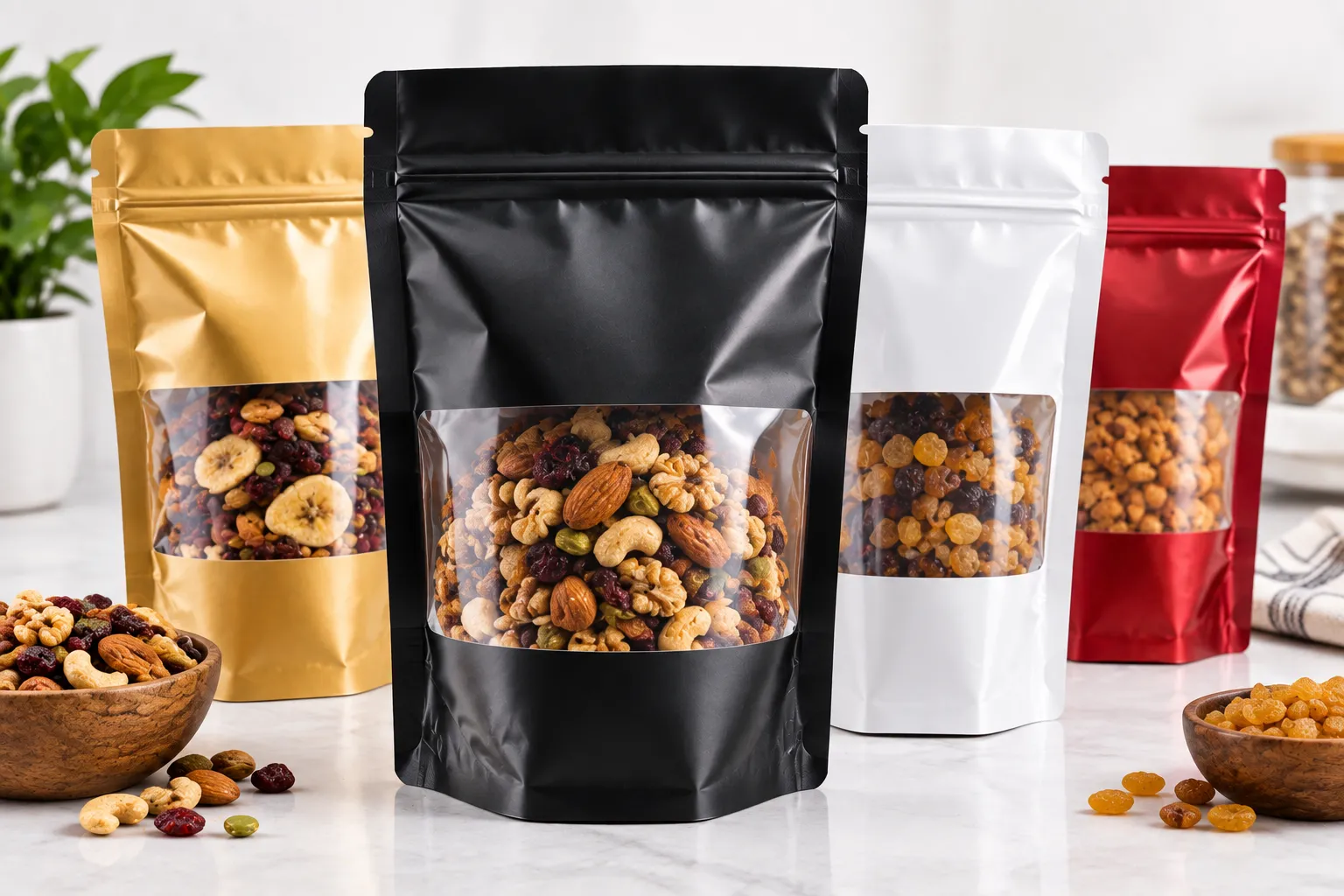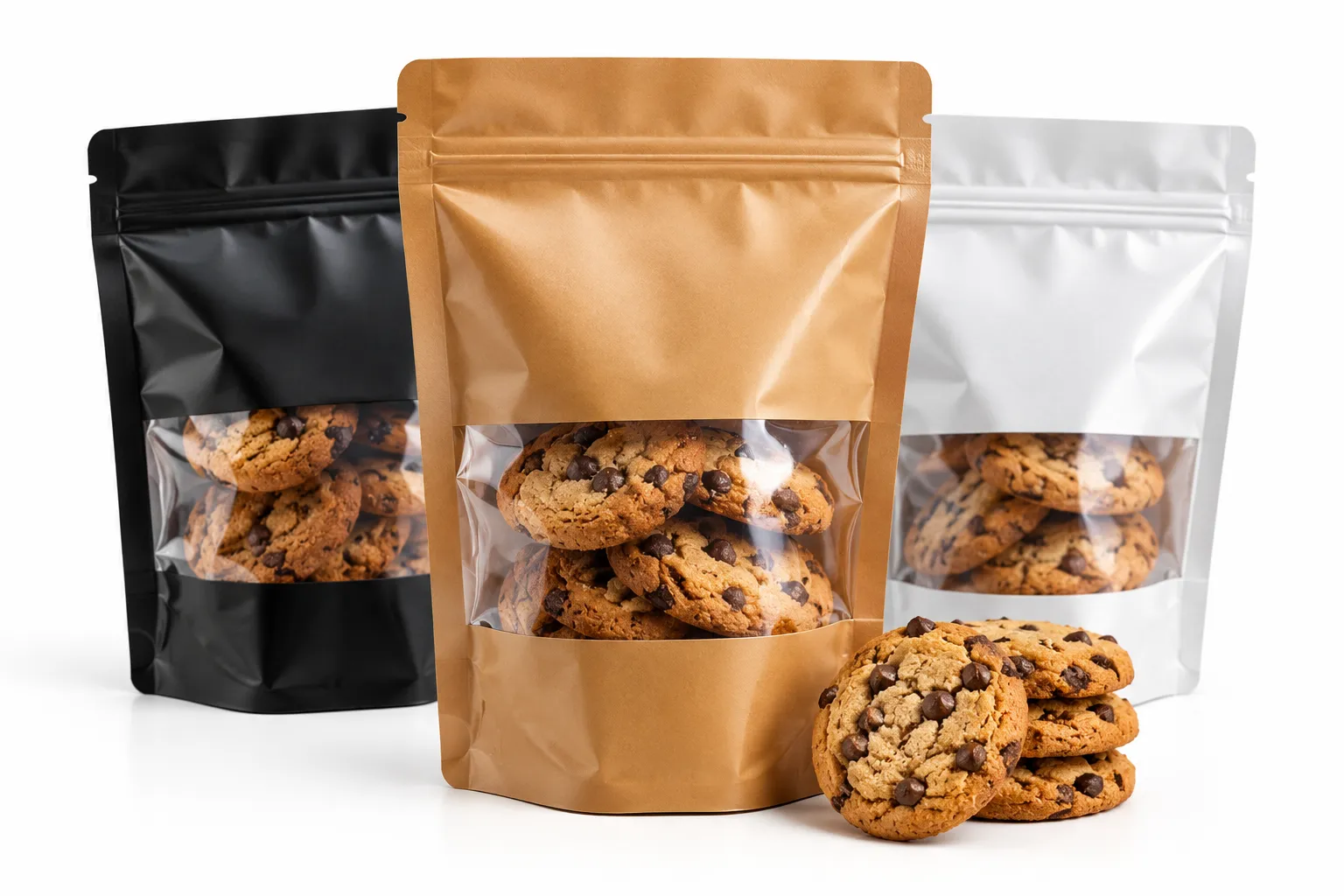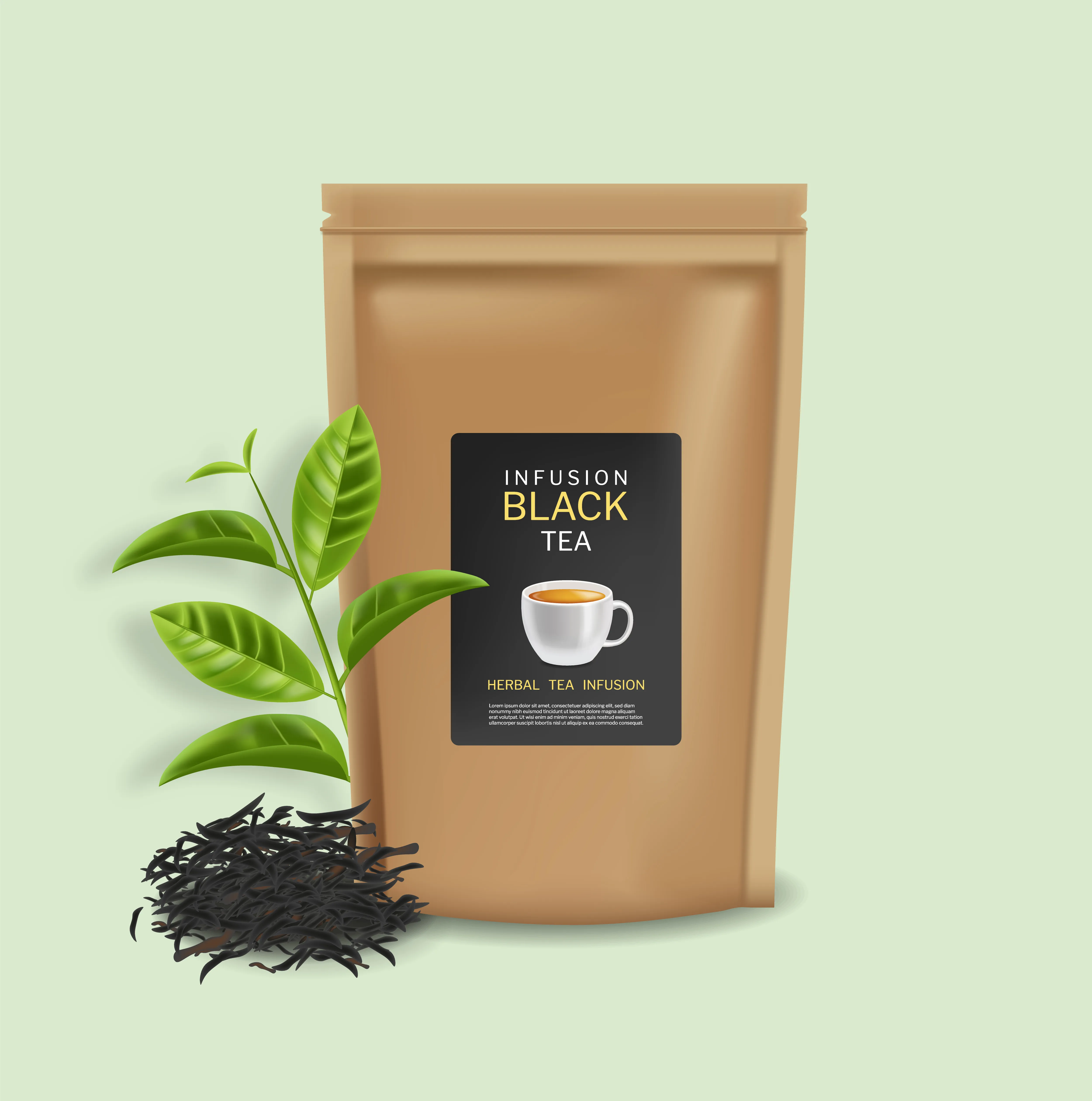
Mylar Bags Pro spends a good part of every week talking with beverage brands about one question: what should the tea and coffee bags look like on the shelf? The answer changes with the product inside, but the packaging still carries most of the weight in that first purchase decision. A shopper picks up a pouch, checks the seal, reads the front panel, and decides in a few seconds whether the brand feels premium or generic.
Tea and coffee bags do more than hold product. They protect aroma, block moisture, and give a brand its shelf identity across grocery stores, cafes, and online orders. The global tea and coffee bags market grew to USD 9.20 billion in 2024 and is on pace to reach USD 15.11 billion by 2032, a CAGR near 6.40 percent according to Data Bridge Market Research (2025). More brands are competing for the same shelf space, and packaging is one of the few places a small label can stand out next to a bigger one.
Fresh tea leaves and ground coffee lose flavor fast once they meet air, light, and moisture. A pouch that fails on any of those fronts turns a good product into a flat one before it reaches the cup. Good packaging holds aroma inside the bag until the seal breaks, keeps humidity out during shipping, and shields the product from light that can fade both color and taste.
What happens when a customer opens a bag three months after buying it? If the seal held and the barrier worked, the coffee still smells the way it did on the roast date. If it did not, the brand loses a repeat customer over something that had nothing to do with the product itself. That gap between good beans and good packaging is where small coffee and tea brands often lose ground without realizing why.
Resealable closures matter here too. A zipper or fold-top seal lets a customer use part of the bag and keep the rest fresh, which stretches the useful life of the product at home and cuts down on complaints about staleness.
Brands usually choose between a handful of material types, and each one trades cost against protection. Kraft paper pouches with an inner lining give a natural, earthy look that fits herbal tea and specialty coffee brands, but they offer only moderate barrier protection on their own. Foil-lined mylar pouches block light, oxygen, and moisture almost completely, which is why they show up so often for ground coffee and whole bean bags that need a longer shelf life. Compostable films appeal to brands built around sustainability messaging, though the barrier performance still lags behind foil-lined options in most cases. Clear PET or PLA pouches let the product show through the front panel, a useful trick for loose-leaf tea brands that want the color of the leaves to sell the bag, but they give up some barrier strength to get that visibility.
|
Material |
Avg. Cost |
Best For |
Barrier Protection |
|
Kraft paper with lining |
Low to moderate |
Everyday tea bags, coffee sachets |
Moderate |
|
Foil-lined mylar |
Moderate |
Ground coffee, whole bean, premium tea |
High |
|
Compostable film |
Moderate to high |
Eco-focused herbal and specialty tea |
Moderate |
|
Clear PET or PLA pouch |
Moderate |
Loose-leaf tea, retail display |
Low to moderate |
The process starts with a design proof built around the brand's artwork, color codes, and required label information. From there the material gets chosen based on the product's shelf-life needs and the brand's budget. Printing comes next, and the method depends on order size: offset printing gives sharp color for large runs, digital printing works well for smaller test batches, and foil stamping adds a premium touch to a logo or brand mark. Once the artwork is set, the pouch gets formed and sealed on production equipment, with edges and seams checked for consistency. A quality check follows before the finished bags ship out for fulfillment or hand off to a co-packer for filling.
Small changes at this stage - a valve for degassing fresh-roasted coffee, a window for visible tea leaves, a matte or gloss finish - happen during the design proof step, before production runs begin. Catching those choices early saves a reprint later.
Order volume plays the biggest role in per-unit cost. A run of 500 bags costs more per piece than a run of 10,000, since setup costs get spread across fewer units. Material choice adds or removes cost too: foil-lined mylar runs higher than plain kraft paper, and compostable films often sit near the top of the price range. Printing method changes the number as well, with offset printing suited to bigger budgets on large runs and digital printing keeping costs down on shorter ones. Add-ons like zippers, degassing valves, tear notches, and clear windows each add a small amount per unit, but they can cut down on customer complaints and returns, which offsets the cost over time.
Brands working with a tighter budget can start with a simpler pouch and one add-on, then expand the packaging spec as order volume grows and unit costs come down.
A good packaging partner does more than print a logo on a bag. Food contact materials need to meet safety rules such as FDA regulations in the US or EU food contact packaging requirements in Europe, and a supplier who understands those rules from the start saves a brand from a compliance problem after the product ships. A specialist who works with tea and coffee packaging every day will know which barrier levels suit ground coffee versus loose tea, which seal types hold up during transit, and which finishes photograph well for online listings.
Companies like Mylar Bags Pro that focus on custom pouch packaging for beverage brands tend to have that product-specific knowledge already built into their process, from material sourcing through order fulfillment. A general packaging supplier who handles everything from cereal boxes to pet food bags may not carry the same depth on tea and coffee-specific barrier requirements or FDA food contact compliance.
Foil-lined mylar pouches give the strongest barrier against oxygen, light, and moisture, which makes them the common choice for ground and whole bean coffee. Kraft paper with an inner lining works for shorter shelf-life products at a lower cost.
Cost depends on order size, material, and printing method. Small test runs under 1,000 units often cost more per bag, while orders above 10,000 units bring the per-unit price down through better setup efficiency.
Minimum order quantities vary by supplier and material, but many packaging companies offer starter runs for small and new brands, then scale up pricing breaks as volume grows.
Yes. Compostable film pouches exist for brands that want an eco-friendly claim on the front panel, though the barrier protection is usually a step below foil-lined mylar.
The bags need to use food contact materials that meet FDA requirements in the US, or the equivalent EU food contact packaging rules for European markets. The packaging itself does not need separate FDA approval as a product.
Offset printing gives the sharpest color for large runs, digital printing suits smaller test batches where speed matters more than fine detail, and foil stamping works well for logos on premium lines.
Freshness after opening depends on the barrier material and how well the closure reseals. Foil-lined pouches with a solid zipper or fold-seal closure keep product fresh for several weeks after the first use.
Common sizes run from small single-serve sachets up through 1 lb and 5 lb bags for wholesale and cafe accounts, with pouch dimensions adjusted to fit the brand's fill weight.
Fresh-roasted coffee releases carbon dioxide for days after roasting, so a one-way degassing valve keeps the bag from swelling while still blocking outside air. Tea bags rarely need this feature.
Stand-up pouches work well for retail shelf display, flat-bottom bags suit premium cafe positioning, and flat pouches keep costs lowest for e-commerce or subscription boxes. The right pick depends on where the product sells.
Yes. Many suppliers offer low minimum order runs using digital printing, which lets small and new brands get custom branded bags without committing to a large offset print run.
Suppliers serving both markets typically stock materials that meet FDA rules for the US and the equivalent EU food contact standards for the UK and European buyers, so a single design can often ship to both regions with only label copy changes.
Getting the packaging right takes a few decisions: material, print method, pouch style, and a supplier who understands food contact rules for tea and coffee products. None of those choices need to happen alone. Reach out to Mylar Bags Pro for a quote on custom tea and coffee bag packaging, and bring a sample product or reference design to speed up the first proof.