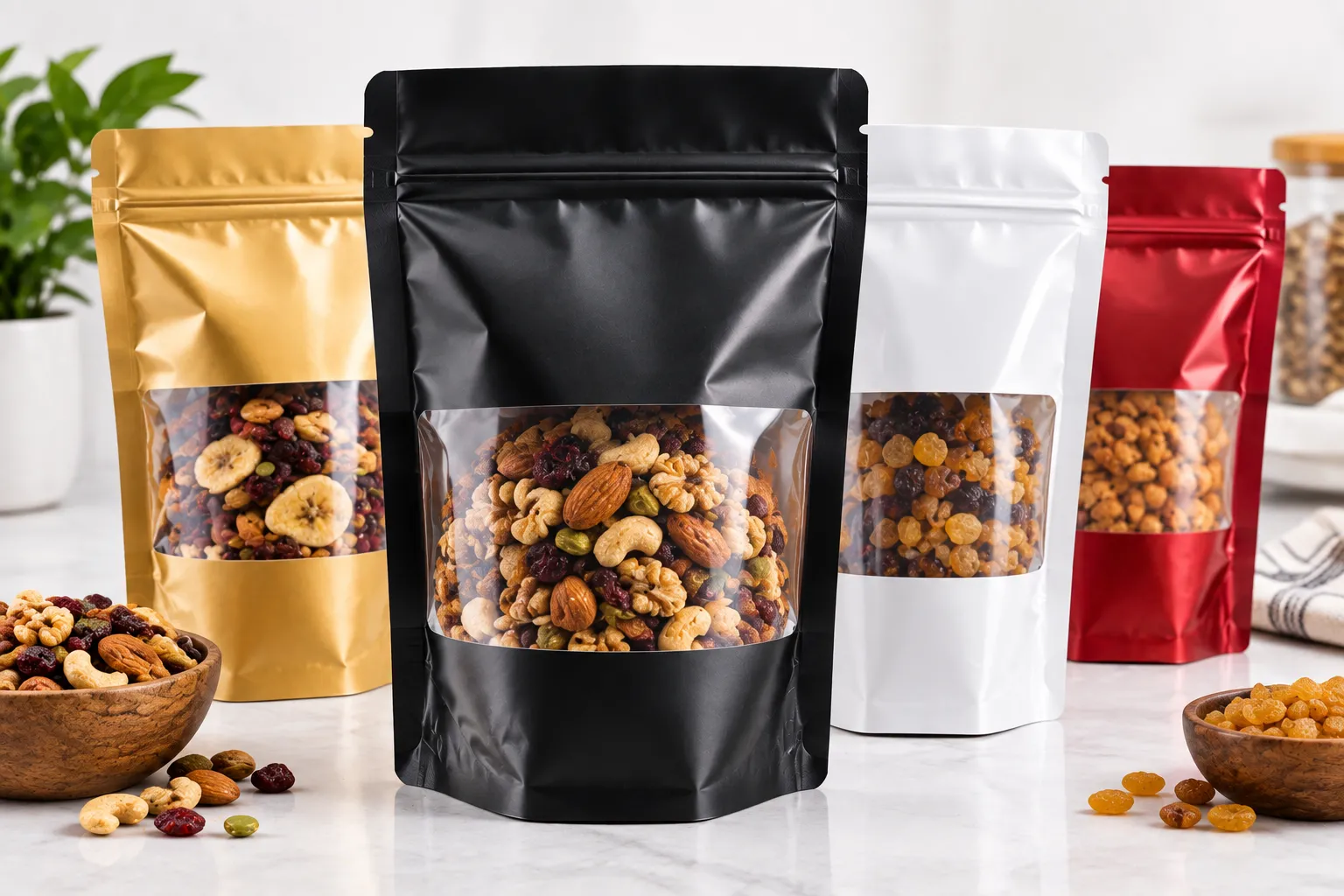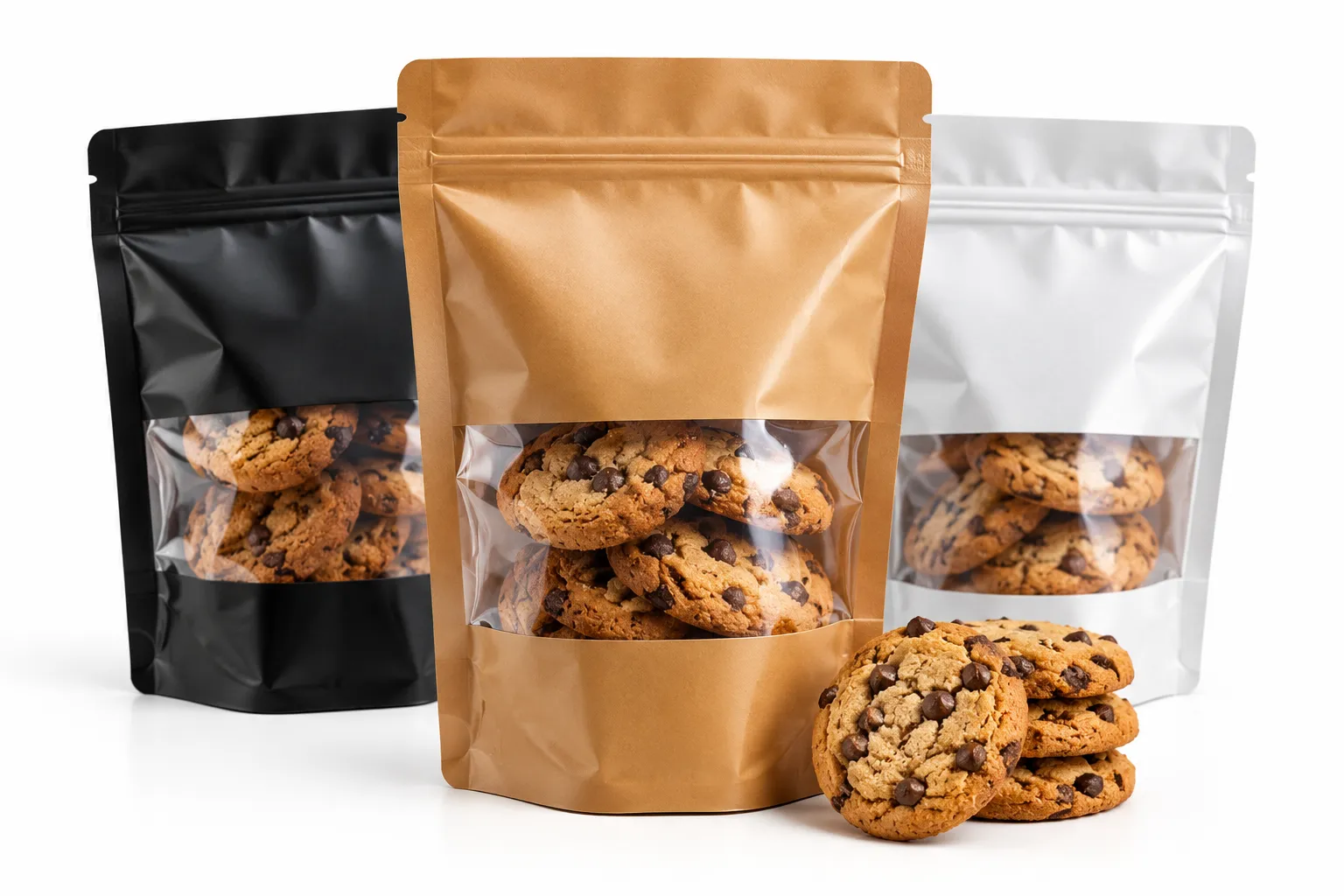
A fresh batch of cookies only stays that way if the packaging does its job. Cookies mylar bags have become a go-to choice for bakers who want a strong barrier against air, moisture, and light, without adding bulk or cost to their process. Mylar Bags Pro works with home bakers, small bakeries, and packaging buyers who need reliable pouches that keep every batch tasting the way it did on day one.
Buttery shortbread, chewy chocolate chip, delicate macarons — each type of cookie reacts differently to air exposure. Cookies mylar bags slow that reaction down. They also give a bakery brand a clean, professional look on the shelf or in a shipping box. Whether the goal is a rustic craft-fair presentation or a sleek retail pouch, the right bag makes the product look as good as it tastes.
Mylar is a metallized polyester film, often layered with polyethylene or foil for extra strength. When it wraps around cookies, it blocks oxygen and moisture from reaching the product. That barrier matters more than most bakers realize.
Why does a cookie go stale in the first place? Moisture and oxygen break down fats and sugars over time, softening crisp edges and dulling flavor. A study on intermediate-moisture food packaging found that products stored in aluminum-laminated bags kept better color and higher sensory scores than those in standard clear packaging, and the difference grew sharper at warmer storage temperatures. Cookies mylar bags apply that same principle to baked goods, holding freshness longer than paper or thin plastic ever could.
Cookies mylar bags also protect against light exposure, which can fade colored icing and dull the appearance of chocolate coatings. For bakers shipping products across the US, UK, Canada, or Australia, that added protection matters during long transit times and varied storage conditions along the way.
Not every batch needs the same level of protection. A gift box of shortbread sitting on a counter for a week has different needs than a wholesale order traveling across the country. Picking the right bag style starts with knowing how the cookies will be stored, shipped, and sold.
Stand-up pouches work well for retail shelves because they display the product upright with a clear or printed front panel. Flat pouches suit gift bundles and smaller batches. Foil-lined bags with a matte or glossy finish give a premium look for boutique bakeries, while lighter-weight mylar fits high-volume packing where speed matters more than shelf presence.
|
Bag Type |
Barrier Level |
Best For |
Reseal Option |
Maintenance |
|
Stand-up pouch |
High |
Retail shelf display |
Zipper or tin-tie |
Wipe clean, store flat when empty |
|
Flat mylar bag |
Medium-high |
Gift bundles, small batches |
Heat seal or twist tie |
Store in a dry area |
|
Foil-lined pouch |
Very high |
Premium or long-shelf-life cookies |
Zipper closure |
Avoid folding along the seal |
|
Lightweight mylar roll stock |
Medium |
High-volume packing lines |
Heat seal |
Keep rolls away from direct sunlight |
A local bakery in Sheffield once switched from plain plastic sleeves to foil-lined cookies mylar bags for a seasonal shortbread line. The owner noticed fewer customer complaints about stale product within the first month, simply because the bags held their seal through the full shipping window.
The process behind a finished pouch is more involved than it looks. Manufacturers laminate several thin layers together — often polyester, aluminum foil, and polyethylene — to build a film that resists punctures and blocks vapor transmission.
Once the film is ready, it gets cut, printed, and formed into the bag shape. A heat sealer fuses the edges shut, creating an airtight barrier around the product. Companies like Mylar Bags Pro that focus specifically on cookie and bakery packaging understand how seal strength and film thickness affect real-world performance, not just lab testing numbers.
Thickness matters here. A thin sachet works fine for a short retail shelf life, but longer storage calls for a heavier film with a tighter seal. According to packaging laminate testing published through the US Patent Office, residual oxygen levels in properly sealed barrier packaging stayed low across a full 52-week storage period, which shows how much a correct seal contributes to shelf life.
Several factors shape what a business pays for custom cookies mylar bags. Bag size and film thickness play a role, since heavier barrier films cost more to produce than standard-weight options. Print complexity matters too — a simple one-color logo costs less than a full-color, multi-panel design.
Order volume affects pricing as well, with larger production runs generally lowering the cost per unit. Add-ons like resealable zippers, matte finishes, or a degassing valve for freshly baked goods also shift the final price. Bakers weighing these options should think about how the product will actually be sold: a wholesale account moving thousands of units has different priorities than a home baker filling weekend market orders.
Picking a packaging partner comes down to more than price. Does the supplier understand food-contact safety rules? Can they match the exact size and finish a specific cookie line needs? A general packaging distributor might sell mylar bags, but a specialist who works exclusively with bakery products — like Mylar Bags Pro — will know which film thickness holds up during summer shipping, which seal type resists tampering, and how to size a bag so a dozen cookies don't shift and break in transit.
That kind of focus shows up in the details. A packaging specialist working with mid-sized bakery suppliers pointed out that seal consistency, not just film quality, is usually what separates a bag that lasts through a two-week shipping window from one that lets air in after a few days.
In the United States, the FDA regulates materials that come into direct contact with food, including the films used in cookies mylar bags, so suppliers should be able to confirm food-grade compliance before an order ships.
Cookies mylar bags use a multi-layer film that blocks oxygen, moisture, and light far more effectively than standard plastic. This keeps cookies crisp and flavorful for longer, especially during shipping or extended storage.
Freshness depends on the cookie type and seal quality, but a properly sealed mylar bag typically extends shelf life well beyond what paper or thin plastic offers, often by several weeks for retail-style packaging.
Yes, food-grade mylar bags meet FDA requirements for direct food contact in the US and similar standards in the UK, Canada, and Australia. Always confirm food-grade certification with the supplier before ordering.
Cost depends on bag size, film thickness, print complexity, and order volume. Larger runs generally bring the per-unit price down, while premium finishes and add-ons increase it.
For short-term retail sale, the barrier film alone usually protects freshness well. Longer storage periods benefit from an oxygen absorber packet to further slow staling.
Many styles include a zipper or tin-tie closure for repeated opening and closing, which suits gift bundles and bakeries selling loose cookies by weight.
Bag size depends on cookie diameter and stacking method, but most bakeries use a mid-size stand-up pouch that holds cookies flat without excess empty space.
Foil-lined and heavier film options perform well in humid conditions common across the US South, coastal UK regions, and parts of Australia, since the barrier resists moisture absorption.
Home and commercial bakers selling packaged goods in the US, UK, or Canada typically need to follow local food labeling and cottage food regulations, which often specify ingredient lists and allergen warnings on the bag.
Yes, many packaging suppliers, including Mylar Bags Pro, work with smaller order volumes so independent bakers can get branded packaging without committing to bulk manufacturing runs.
Matte finishes give a softer, premium look often used for boutique or gift packaging, while glossy finishes reflect more light and suit bold, colorful retail designs.
Yes, the barrier protects against moisture and crushing better than thin plastic, though bakers should still use rigid outer packaging for cookies prone to breaking during transit.
Choosing the right packaging shouldn't feel complicated. Cookies mylar bags give bakers a reliable way to protect flavor, texture, and appearance from the oven to the customer's hands. Whether it's a small gift order or a full retail line, the right film thickness and seal type make a real difference in how the final product holds up.
If a bakery is ready to move away from packaging that lets cookies go stale too soon, Mylar Bags Pro can walk through size, finish, and material options based on the actual product being packed